
 Reading time: 3 minutes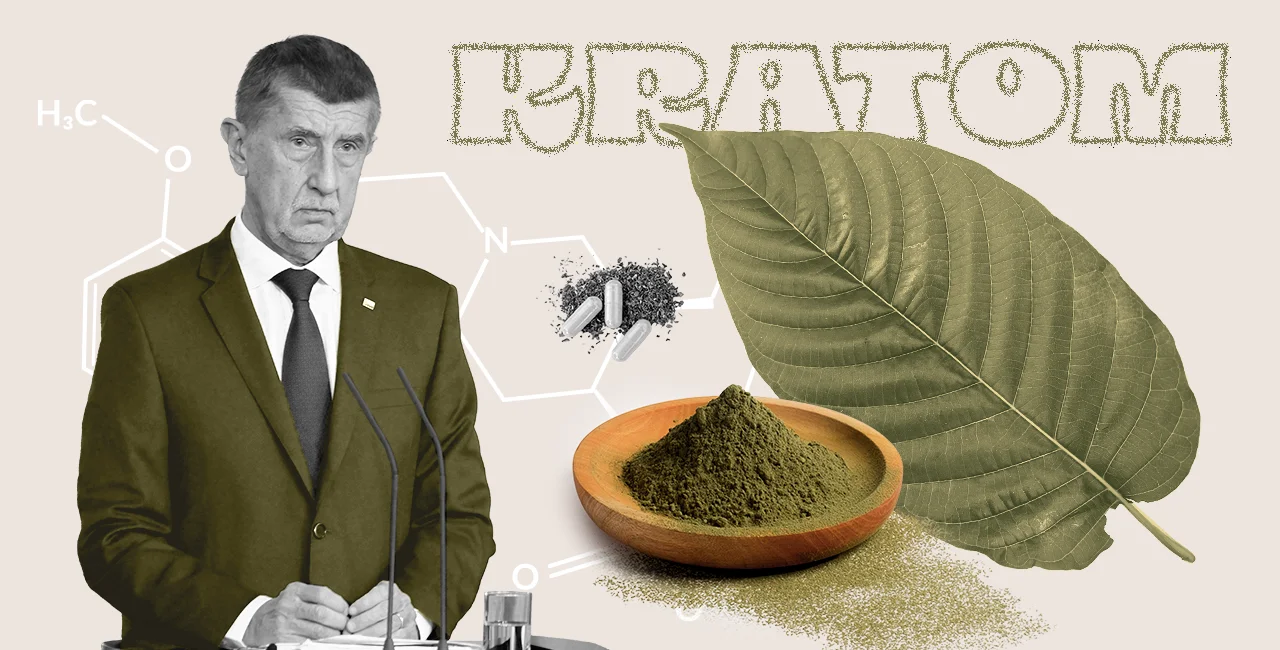

 Summary for: EXPLAINED: Czechia's kratom problem and the bigger one behind it
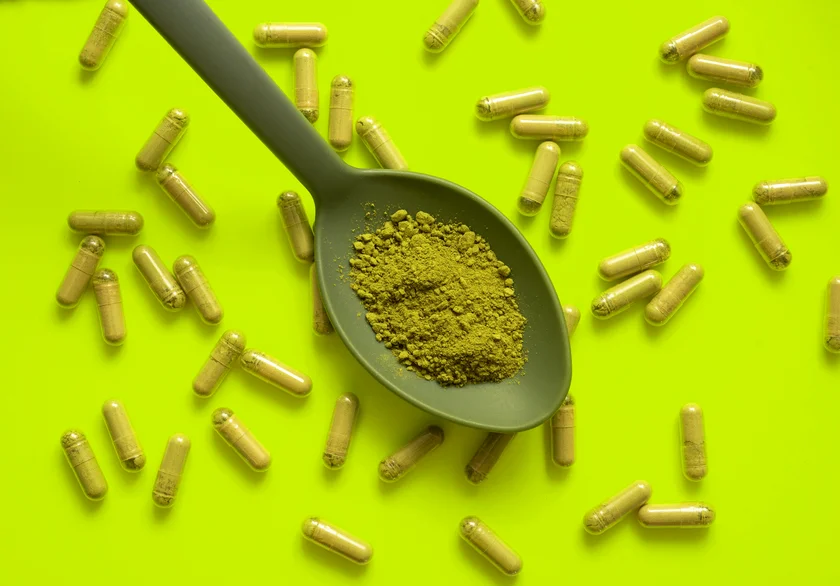
You may have seen kratom, a green powder that looks like matcha, at vending machines and convenience stores in Prague. It's nearly as prevalent – and considerably more problematic.
This week, Czech authorities moved to pull more than 11,000 kratom and CBD products from shelves – some withdrawn, others destroyed – after a four-week operation revealed violations in the vast majority of stores inspected.
Now a joint bill from the Health and Finance ministries would raise the purchase age from 18 to 21, hike VAT, and introduce an excise tax.
The timing is pointed: as the government rushes to regulate kratom, the organizations best placed to handle its fallout are striking over plans to restructure, and potentially defund, the addiction services they run.
Medicine or drug: What is kratom?
Kratom is a plant-derived substance from Mitragyna speciosa leaves, traditionally grown in Southeast Asia. Sold in powdered form, it can have both stimulant and sedative effects depending on the dose.
Czechia has become a significant European market for kratom imports, with most supply originating in Indonesia – particularly Borneo, where it is cultivated and processed before export, according to the 2025 Czech documentary The Kratom Collectors.
The film also traces how kratom has been portrayed as both a substance with potential therapeutic uses and one linked to dependency and misuse.

What are the authorities doing now?
After a month-long inspection campaign known as Operation Korund, police seized nearly 86,000 products and around 155 kilograms of kratom, according to the Interior Ministry. Authorities shut down retail outlets, blocked 25 online stores, and pulled stock from 63 vending machines – which officials say remain one of the biggest loopholes in enforcement.
Inspectors reported widespread violations of existing rules.
Officials say the concern extends beyond kratom itself to inconsistent product quality and the risk that some items contain additional synthetic or psychoactive substances.
"The biggest risks with kratom are in combination with powders, pills, and especially alcohol. Taking kratom with alcohol always spells big trouble," addictionologist Lubomír Šlapka told Radio Prague.
Why is regulation changing?
Kratom is currently legal for adults in licensed stores, but the government says enforcement is failing. Prime Minister Andrej Babiš has flagged access among minors as a key concern, and a new addiction law is being prepared alongside specific kratom-focused rules.

Measures under discussion include raising the purchase age from 18 to 21, increasing taxation, and tightening licensing and inspection requirements.
Why are addiction services protesting?
As the number of young people addicted to kratom grows, the institutions meant to treat them say they are about to lose their footing.
"Kratom creates a heroin-type addiction. I see very young people who take several grams daily, and after just one day without it, they already experience withdrawal symptoms," said psychiatrist Jakub Albrecht also speaking to Radio Prague.
This week, around 40 addiction service organizations staged a two-hour strike against a planned restructuring that would move the national anti-drug agenda from the Office of the Government to the Ministry of Health.


Services – counseling centers, outreach programs, needle exchanges – suspended operations for two hours at noon.
Providers warn that the change could weaken coordination between health and social care and reduce funding stability for prevention programmes. They also caution that disruption to existing services could increase risks linked to addiction, including HIV and hepatitis.
The government argues the reform will improve efficiency. Critics say addiction policy requires cross-ministerial coordination – not consolidation into a single ministry that, experts point out, lacks the legal framework to fund social services, which account for roughly 80 percent of addiction care.
The Health Ministry disputes those concerns. Spokeswoman Renata Povolná told ČTK that funding would be transferred alongside the agenda and said the ministry does not plan to cut support for addiction services.
Are these two things connected?
In the short term, kratom isn't being banned – but it's getting harder to buy, more expensive, and more tightly policed.

The longer-term picture is murkier. This isn't the first time the ministerial transfer has been proposed: it has been attempted four times before, and on previous occasions the Ministry of Health itself acknowledged it wasn't equipped to take it on.
Addiction service providers are now demanding that the Government Office and Health Ministry not sign the transfer protocol, due this Friday.
When England transferred addiction services to local councils in 2013, annual spending on drug and alcohol treatment fell by 40 percent in real terms over the following decade, and the number of young people in treatment dropped by 50 percent.
The worry here is a similar one. While the ministry says funding will move with the agenda and existing services will be maintained, critics argue it is not equipped to oversee a system that relies heavily on social care.