



 Reading time: 2 minutes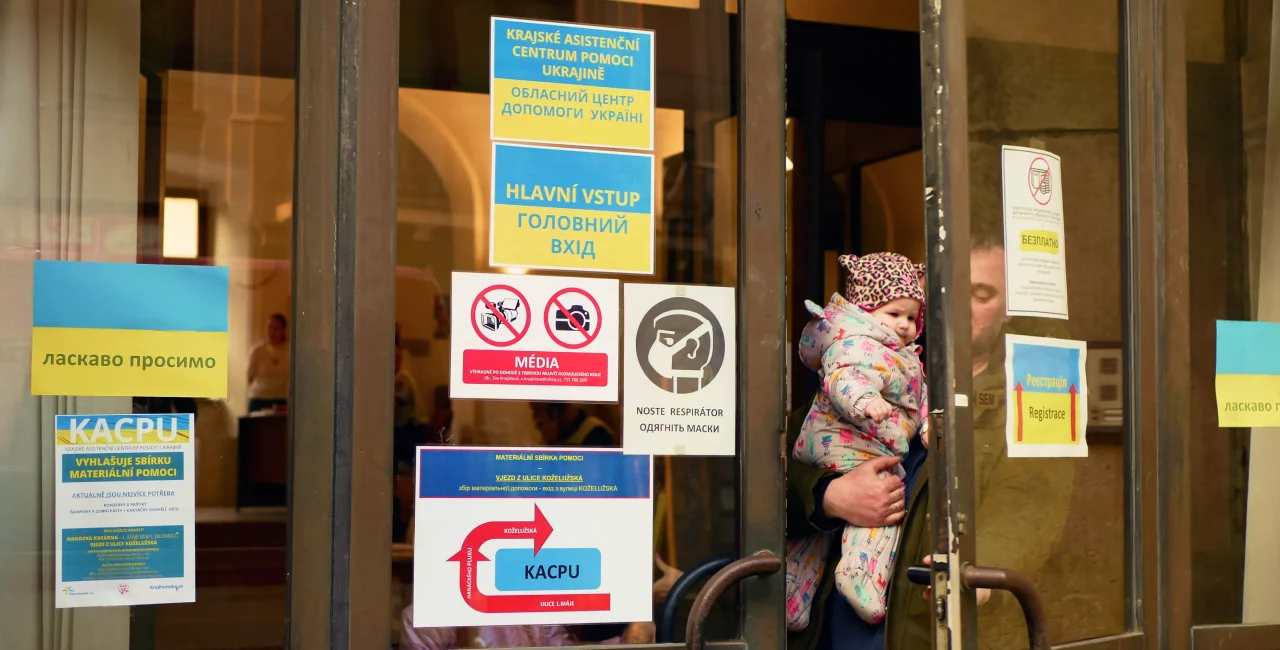

 Summary for: Czechia among countries under 'major' migration strain, EU says
The European Commission (EC) has classified Czechia as one of the EU countries facing significant migration strain, citing the ongoing arrival of refugees from Ukraine and cumulative pressures since the outbreak of the fullscale Russia-Ukraine war.
In response, Czechia will request an exemption from contributions to the EU’s new Solidarity Fund.

Why this matters
Czechia continues to host more than 350,000 Ukrainian refugees, the highest per capita in the EU, according to EC data. If Czechia gains financial relief through the Solidarity Fund, it will potentially ease budget pressures.
Officials said the measure is necessary as the country continues to provide shelter, healthcare, and schooling for refugees under temporary protection.
"Maintaining a balance between solidarity and responsibility is key to our success,” said EU Commissioner for Home Affairs Magnus Brunner this week.

How the Solidarity Fund works
The Solidarity Fund is part of the EU’s Migration and Asylum Pact, set to take effect in mid-2026. It gives financial and practical support to member states under disproportionate migration pressures.





Under the proposal, EU member states can fulfil their so-called solidarity obligation either by relocating asylum‑seekers, making financial contributions, or providing operational support such as border‑management aid.
Part of a wider debate on migration
The development underscores long-standing political tension surrounding how Czechia deals with migrants. The new, incoming government coalition, which features the populist ANO party and far-right Freedom and Direct Democracy (SPD), has said: "We will introduce a zero-tolerance policy towards illegal migration. We will reject the EU Migration Pact and adopt a new law."
However, Prime Minister Petr Fiala has warned against ANO and SPD's misinformation. "ANO and SPD have repeated over and over again that we will have to accept illegal migrants, spreading fear and hatred, and dividing society. Once again, it turns out they are just lying."
The way forward
The Czech government’s exemption request will be reviewed in the coming weeks, with final decisions expected at a Dec. 8 EU Council meeting. The EC will reassess migration pressures annually, ensuring support and exemptions reflect current conditions.
Officials hope recognition of the country’s refugee burden will provide practical relief and help sustain essential services for all residents.