Ticks remain active in Czechia despite autumn chill, health officials warn

More than 1,200 tick-borne infections have been reported in Prague this year, with experts urging residents not to abandon precautions as temperatures fall

Expats.cz Staff

Written by Expats.cz Staff Published on 29.10.2026 11:00:00 (updated on 29.10.2026) Reading time: 2 minutes
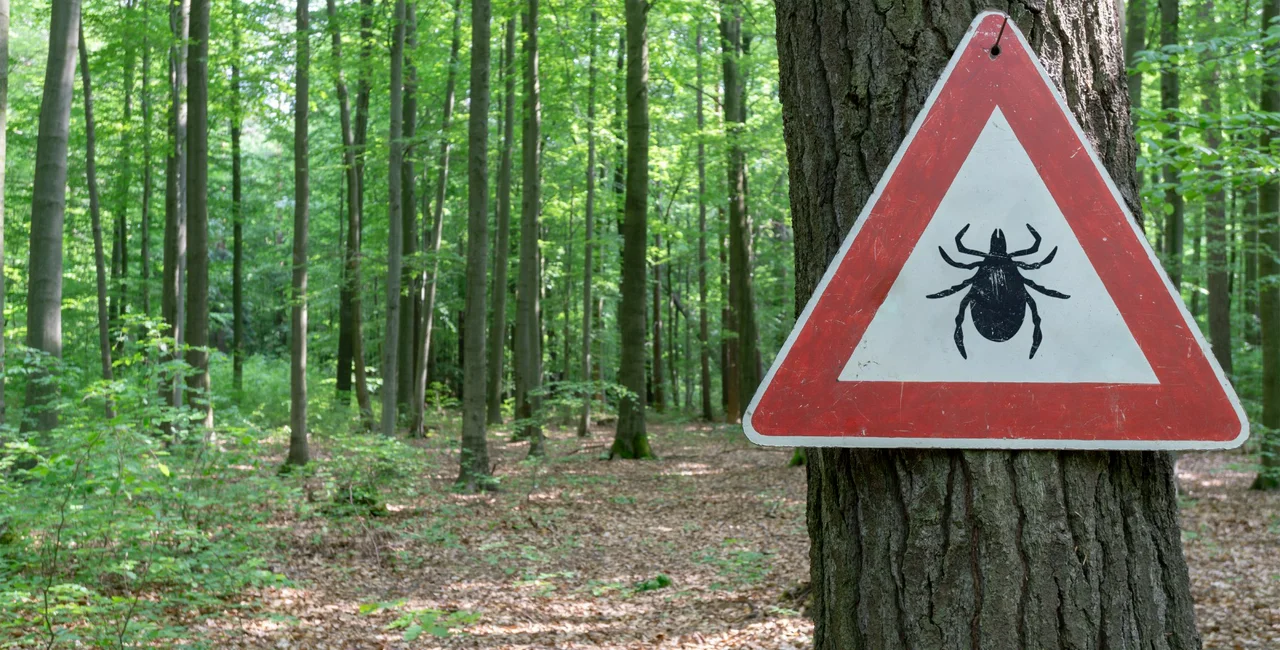
As temperatures drop across Czechia, health officials are warning residents that tick season is not necessarily over, with the parasites remaining active well into autumn.

According to an October 28 report by Czech Radio, Prague recorded 1,184 cases of Lyme disease and 38 cases of tick-borne encephalitis between January and September 2026.

In neighboring Central Bohemia, authorities registered 1,869 Lyme disease cases during the same period, compared with 1,166 a year earlier. Another 34 cases of tick-borne encephalitis were recorded in the region.

Experts say ticks can remain active during milder autumn weather, meaning residents should continue taking precautions when spending time outdoors.

Tick risks continue beyond summer

Although ticks are commonly associated with spring and summer, their activity does not stop automatically when autumn arrives.

Dita Smíšková, head of the infectious diseases department at Prague's Bulovka University Hospital, told Czech Radio that temperatures have not yet fallen enough to bring tick activity to an end.

She emphasized the importance of removing attached ticks promptly, as early removal significantly reduces the risk of contracting Lyme disease.

The warning is particularly relevant for people spending time in forests, parks, and other green spaces during autumn.

Last year, almost a quarter of Czechia's annual tick-borne infection cases were recorded during September, October, and November, according to the report.

How residents can protect themselves

Health experts recommend continuing to use insect repellent and wearing long trousers and sleeves when visiting areas where ticks may be present.

Checking the body for ticks after spending time outdoors and removing any attached parasites promptly can also help reduce the risk of infection.

Vaccination is available against tick-borne encephalitis, a viral infection that can affect the nervous system. However, there is currently no approved human vaccine against Lyme disease, which is caused by bacteria.

Smíšková noted that vaccination against tick-borne encephalitis remains worthwhile even as the weather cools, although protection requires following the recommended vaccination schedule.

For residents planning autumn hikes, countryside trips, or walks through Prague's green spaces, the message is clear: cooler weather does not mean tick precautions can be forgotten.

Did you like this article?

Czechia’s latest news

Read all the headlines
Want to see more from us? Select Expats.cz as a preferred source on Google.