




 Reading time: 2 minutes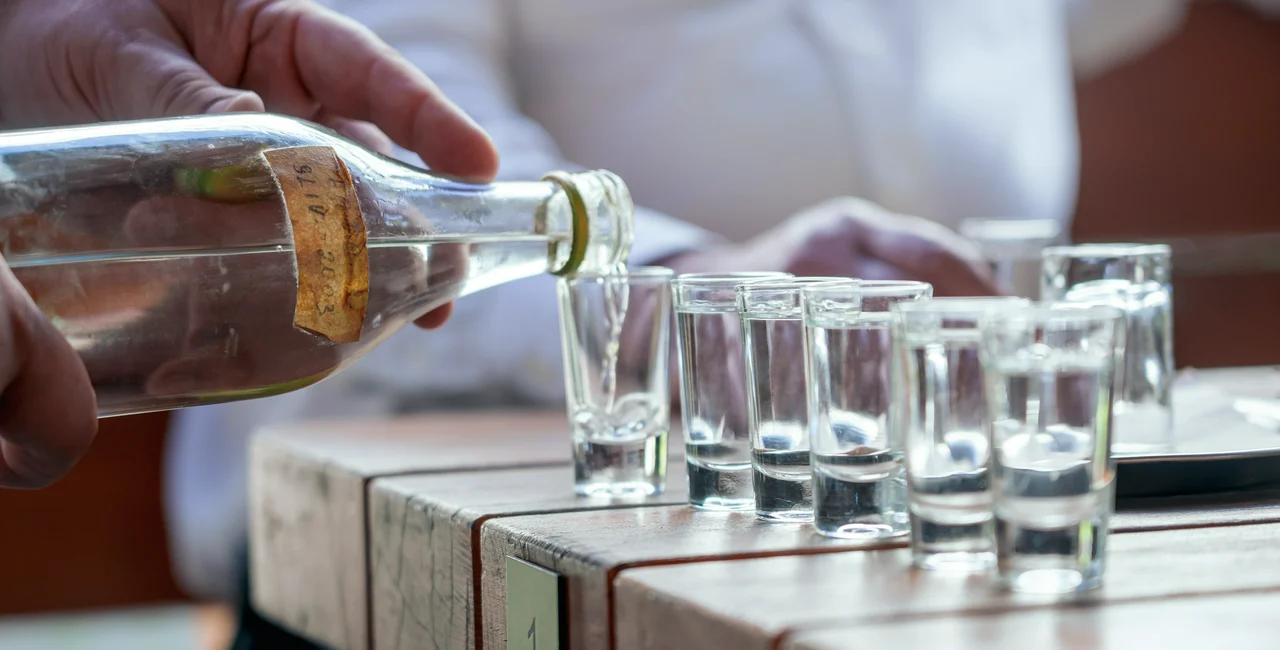

 Summary for: Czech slivovice season hit hard as drought shrivels Moravian plum harvest
Czechia's traditional slivovice season is getting off to a difficult start in South Moravia, where drought and a poor fruit harvest have left local distilleries with far fewer plums to turn into the potent spirit this year.
Small distilleries across the region describe the 2026 season as well below average, with shortages also affecting apricots, apples and pears. Fruit that survived the dry weather is often smaller than usual, meaning growers can expect less alcohol from their harvest.
The situation has been particularly stark for meruňkovice, the apricot counterpart to plum-based slivovice. Otakar Kappel, who operates a growers' distillery in Tišnov, told Czech News Agency that about 80 customers would typically bring in apricots during a normal season. This year, there were just two.
Drought leaves less fruit for Czech distilleries
Plum distilling is only now getting underway, but Kappel said prospects around Tišnov are also poor.
"What didn't freeze dried up," he said, noting that harvests vary considerably across the country and some areas, including parts of Vysočina, have fared better.
At the Palírna sv. Urban distillery in Syrovice near Brno, Oldřich Sedlář said drought had reduced harvests of plums, apples and pears as well as apricots. While the surviving fruit contains enough sugar for fermentation, much of it is unusually small. More seriously, some fruit falls from trees before it has ripened enough to be distilled.

Traditional Czech plum varieties are especially scarce, according to Romana Pokorová of a distillery in Viničné Šumice. She said classic Czech plums and the durancie variety were virtually absent this year, although the larger lepotica variety now coming into season appears more plentiful.

Apple growers should also temper their expectations. Pokorová said someone accustomed to producing a certain quantity of spirit from a tree's harvest may get only about half as much this year because of the smaller fruit.
Why slivovice is more than just plum brandy
Slivovice has deep roots in Czech drinking culture, particularly in Moravia, where homemade fruit spirits have long been associated with family orchards, celebrations and hospitality.
Rather than producing the spirit entirely at home, growers traditionally harvest and ferment their own fruit before taking the resulting mash to a licensed pěstitelská pálenice, or growers' distillery, to be professionally distilled.
Plums are the classic ingredient, giving slivovice its name, but the same tradition encompasses spirits made from other local fruits. Apricots become meruňkovice, pears hruškovice and cherries třešňovice, among numerous regional variations.
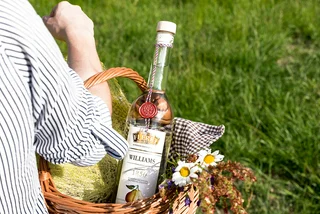
The plum tradition is especially associated with Moravia and the eastern Czech region of Wallachia, where orchards and fruit distilling have formed part of rural life for generations. Slivovice is commonly served in small glasses at family gatherings and festivals and has historically been offered to welcome guests.
For many small growers, autumn distilling season is tied directly to the year's harvest rather than simply demand for a commercial drink.
This year's shortages won't mean slivovice disappears from Czech tables. But in parts of South Moravia, growers arriving at their local distillery with the fruits of the 2026 harvest may leave with considerably fewer bottles than usual.