Dry February begins today, while alcohol consumption remains prevalent in Czech culture. Part of the reason may be the price: according to data from Eurostat, the cost of alcohol is among the cheapest in the EU, and less than half the price of countries like Iceland, Norway, Turkey, and Ireland.
Despite the affordability, Czech authorities are taking steps to curb consumption. This year, excise taxes on spirits have increased, while some producers have reduced alcohol content to keep prices stable.
How cheap is Czech alcohol?
According to 2024 Eurostat data, Czechia ranks fourth-lowest in Europe for alcohol prices. The cost of alcohol in the country was ten percent less than the EU-wide average; in other terms, the cost of EUR 100 (CZK 2,430) worth of alcohol would be EUR 90 (CZK 2,190) in Czechia.
That places the country on par with Austria and slightly above Germany and Italy, which ranks as the EU's cheapest at 16 percent below the average. Alcohol prices in neighboring Slovakia were nine percent less than the EU average, while Poland costs about six percent more.
On the other end of the scale, Iceland has the most expensive alcohol in the EU, running 185 percent higher than the EU average. The cost of alcohol in Norway, Finland, and Turkey was also more than double that of the EU average, with Ireland just behind.
Professor Colin Angus from the University of Sheffield told Euronews Business that low prices don’t always mean higher consumption: affordability depends on wages as well as cost.
Czechia’s traditionally high levels of alcohol consumption stand out. Northern and Nordic European countries, which have much higher prices due to excise taxes, typically report lower levels of consumption-related harm.
How Czechia is curbing consumption
Over the past two years, the excise duty on spirits increased first by 10 percent at the start of 2025 and again by 5 percent this year, reaching CZK 41,050 per hectoliter of pure alcohol.
To combat the higher taxes, producers are both raising prices for consumers and reducing the alcohol content of their spirits. Some local brands, such as Heffron Original and Božkov Republica, have reduced alcohol content from 38 percent to 35 percent while maintaining taste and recipe.
“This approach allows us to keep products affordable for consumers despite rising taxation,” Michal Jakl, marketing director at Stock Plzeň-Božkov, recently told iDnes.cz. Industry representatives note that spirits contribute about 30 percent of alcohol consumption in Czechia but account for 65 percent of all alcohol-related taxes.
Lower alcohol content also reflects broader trends: ready-to-drink cocktails with less alcohol are increasingly popular, and most major spirit brands are following the trend.
Regulators emphasize that European law requires certain products, like rum, to maintain a minimum alcohol content (37.5 percent), so labels have been updated to reflect changes.
While prices remain among the EU’s lowest, Czech consumers will notice slightly weaker spirits in some familiar brands. Experts say these adjustments aim to balance public health goals with economic realities. High taxation, coupled with modest reductions in alcohol content, may help slow consumption growth in Czechia.
Want to see more from us? Select Expats.cz as a
preferred source on Google.





 Reading time: 2 minutes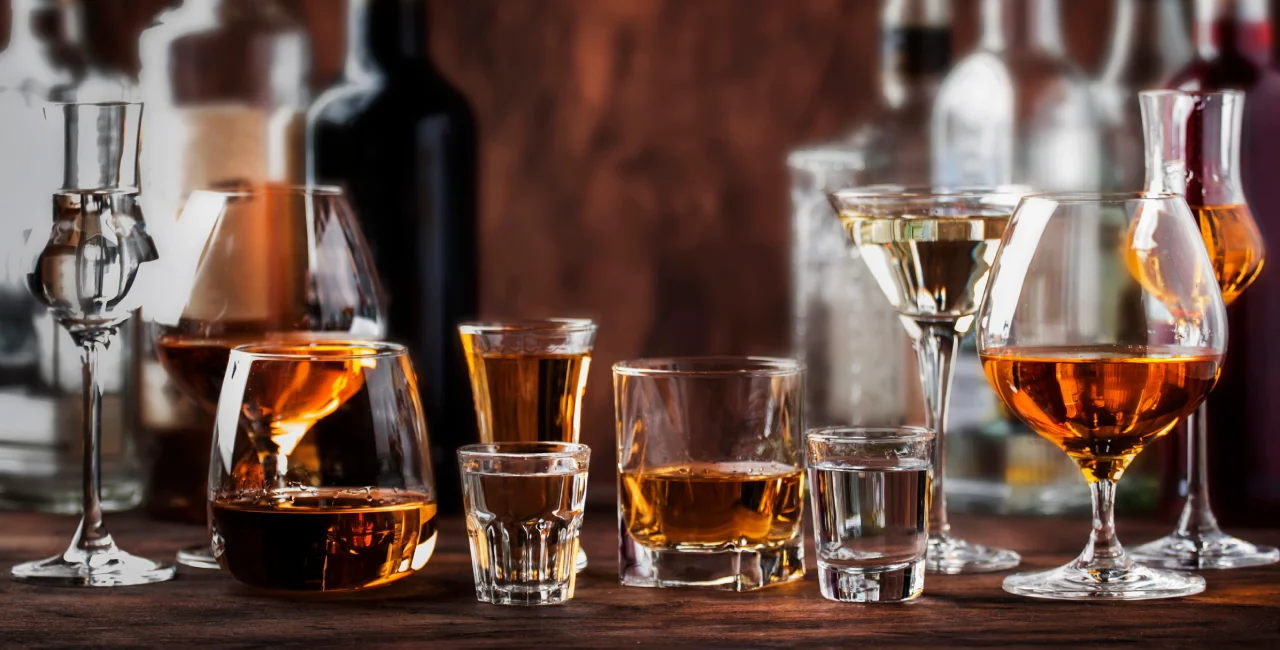

 Summary for: Czech alcohol prices among lowest in EU, but country is curbing consumption

 English
Prague • CZK 20,000 - 100,000
English
Prague • CZK 20,000 - 100,000 German
Prague • CZK 685,000
German
Prague • CZK 685,000 French
Prague • CZK 685,000
French
Prague • CZK 685,000 Spanish