



 Reading time: 2 minutes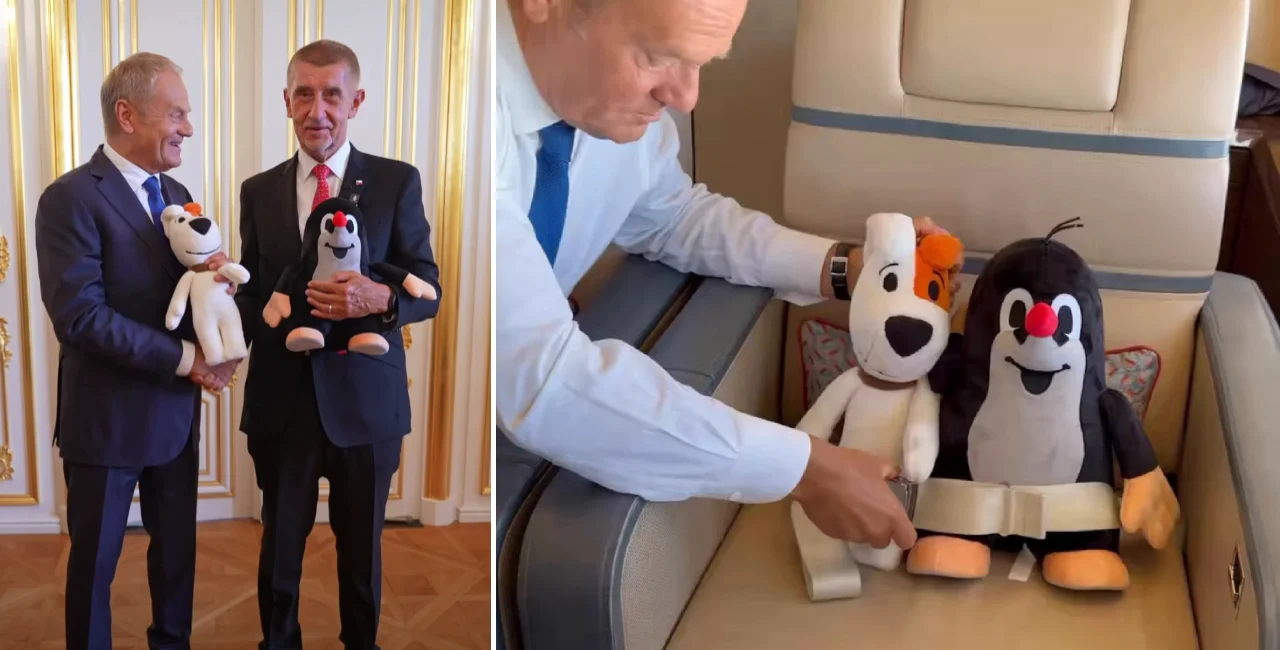

 Summary for: Czech, Polish PMs bond over cartoon icons to counter Russian-linked disinfo
Czech Prime Minister Andrej Babiš and his Polish counterpart Donald Tusk have turned to two unlikely diplomatic figures to push back against a recent disinformation campaign: Krtek and Reksio.
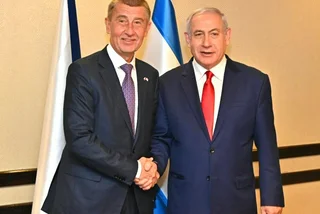
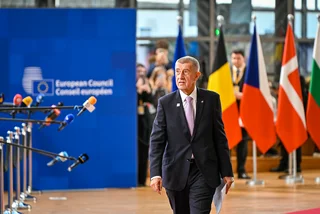
Meeting on the sidelines of a summit in Bratislava, Babiš held the beloved Czech cartoon mole while Tusk carried Reksio, Poland's animated dog, as the two leaders reaffirmed friendly relations between their countries and rejected claims of a territorial dispute.
The lighthearted video follows false online reports last month that were designed to create the impression that Poland was seeking to seize Czech territory. The campaign included fake diplomatic profiles, forged documents and fabricated media reports, and has been investigated as a suspected Russian influence operation.
Cartoon icons become unlikely diplomats
In the video, Tusk recalled the false claims that Poland wanted to attack or take territory from Czechia, while Babiš dismissed the idea.
The leaders also joked that the episode may have produced the opposite effect, with Babiš saying Poles had become especially popular among Czechs and Tusk responding that the feeling was mutual.
The cartoon pairing was not invented for their meeting. In late August, as the disinformation campaign was gaining attention, Tusk posted an image of Reksio alongside Krtek and wrote in Czech that the two characters had long known Poland and Czechia were true friends.
The image quickly became part of a broader wave of Czech-Polish messages rejecting attempts to turn the neighbors against each other.

Krtek, created by Czech animator Zdeněk Miler, has been a cultural fixture since the 1950s, while Reksio emerged from Poland's Studio Filmów Rysunkowych in Bielsko-Biała a decade later.
Their largely wordless adventures made both characters familiar across borders, giving the pair an unusually fitting role as symbols of Czech-Polish friendship.
False border dispute targeted Czech-Polish relations
The disinformation campaign sought to exploit a genuine historical issue between the two countries: a long-standing territorial debt stemming from adjustments to the Czechoslovak-Polish border in 1958.
But fabricated material circulating online went much further, falsely suggesting Poland was demanding Czech territory or preparing to annex areas around Těšín.
Investigators and journalists on both sides of the border documented fake social media accounts impersonating diplomats, forged documents, a website mimicking Czech Radio and fabricated reports about local residents fearing a border change. A Polish regional radio website was also compromised and used to publish false information.

Polish officials and analysts have said the methods resemble known Russian influence operations, although the campaign has not been publicly attributed conclusively to a specific actor.
Babiš and Tusk used their Bratislava meeting to make the political message explicit. Tusk also invited the Czech prime minister to Warsaw in November, saying the visit would further demonstrate the countries' solidarity and friendship.
For now, however, perhaps the clearest Czech-Polish diplomatic statement has come from two cartoon characters that barely speak at all.