 Reading time: 2 minutes
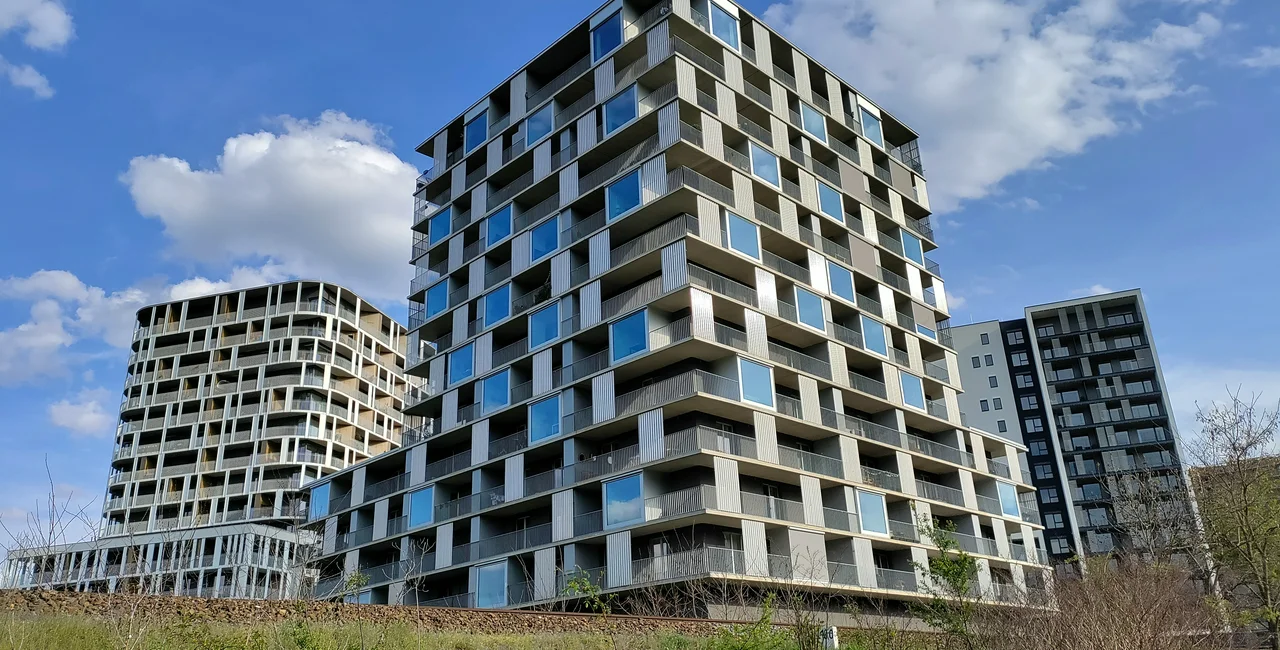

 Summary for: Czech housing prices may slow, but buyers should not expect a crash
Apartment prices in Czechia are approaching the limits of what buyers can afford, potentially bringing slower growth after recent sharp increases. But analysts interviewed by ČTK do not expect a broad fall in property prices—or cheaper rents.
Instead, some foresee price growth settling around or slightly above inflation. That could gradually improve affordability in inflation-adjusted terms while making apartments less attractive to investors seeking rapid capital gains.
PARTNER ARTICLE

For renters, the outlook offers limited relief. More expensive mortgages could keep prospective buyers in rental housing, although landlords also face a ceiling on what tenants can pay.
Slower growth does not mean falling prices
Recent figures suggest the market is losing momentum. Housing prices rose 8.6 percent year over year in the second quarter, compared with 10 percent in the first, according to figures cited by ČTK from the Czech Banking Association and Czech Statistical Office.
Quarterly growth slowed to 1.8 percent, down from 2.1 percent in the opening three months of the year. Separate data from Valuo and Bezrealitky indicated that older apartments became approximately 1 percent more expensive between the second and third quarters.
FinGO economist Petr Zámečník said a nationwide property-price slump was unlikely.
“It will be more a case of their growth stopping, which, because of inflation, will lead to prices falling in real terms,” he said.
That distinction matters for buyers: an apartment’s advertised price could remain unchanged while its value relative to other prices gradually declines.
Zámečník expects more substantial price reductions mainly among less desirable properties, including those with awkward layouts, poorer locations or technical problems.
David Eim, vice chairman of mortgage broker Gepard Finance, expects growth to stabilize slightly above inflation. Annual inflation reached 2.5 percent in September, according to the Czech Statistical Office.
“As property prices rise, the pool of potential buyers shrinks,” Eim said.
Renters face pressure, but increases have limits
Higher mortgage costs could push more households toward renting, sustaining demand even as property sales become harder to finance.

Creditas economist Petr Dufek expects homes in sought-after locations to continue becoming more expensive, alongside further rent increases. Demand could weaken for lower-quality properties and homes requiring renovation.
He also suggested that some individual investors could become less interested in buying apartments to rent out. Companies and funds specializing in professionally managed rental housing could, meanwhile, benefit from continued difficulty accessing homeownership.
However, rental demand does not automatically mean households can absorb large increases.
Zámečník warned that many tenants rent precisely because buying is financially out of reach. Their budgets may also leave little room for higher monthly payments.
If landlords raise rents substantially, he said, one direct consequence could be a growing share of tenants falling behind on payments.