 Reading time: 3 minutes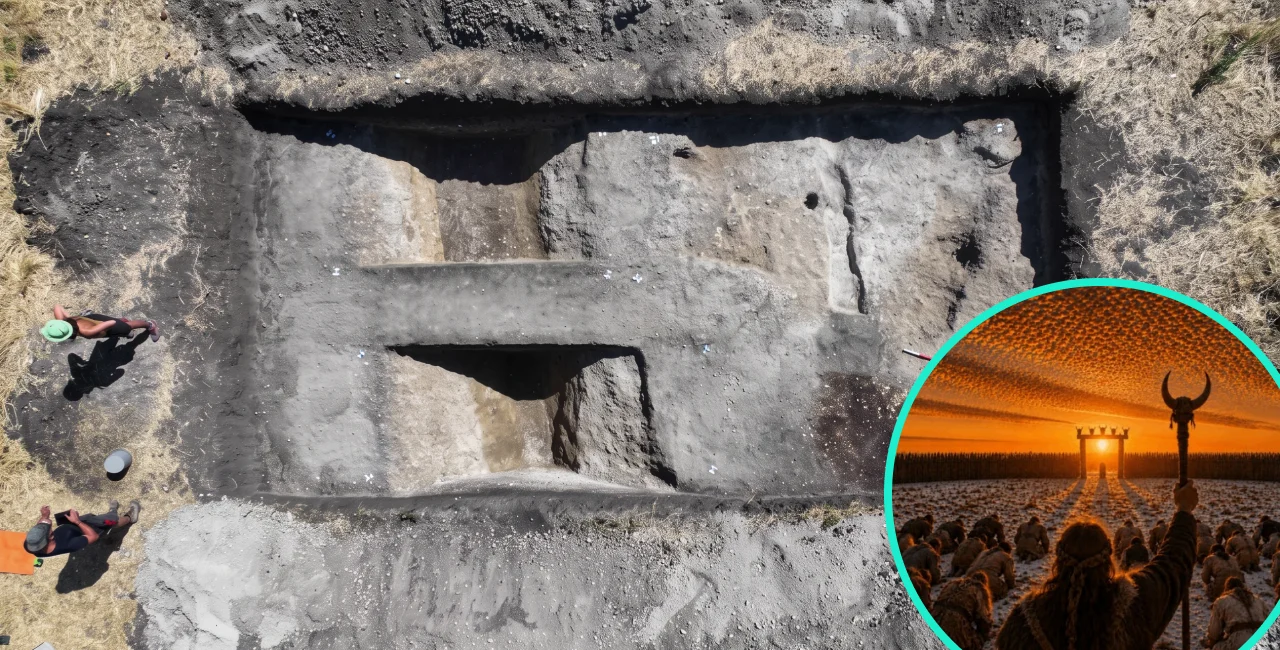

 Summary for: 6,500-year-old sanctuary older than Stonehenge uncovered in Czechia
Archaeologists have uncovered new details about a massive prehistoric sanctuary near Nymburk that is about 1,000 years older than Stonehenge.
A 6,500-year-old sanctuary near the village of Chleby in the Nymburk region is one of the oldest monumental sites in Central Europe, and it predates Britain's Stonehenge by more than 1,000 years.
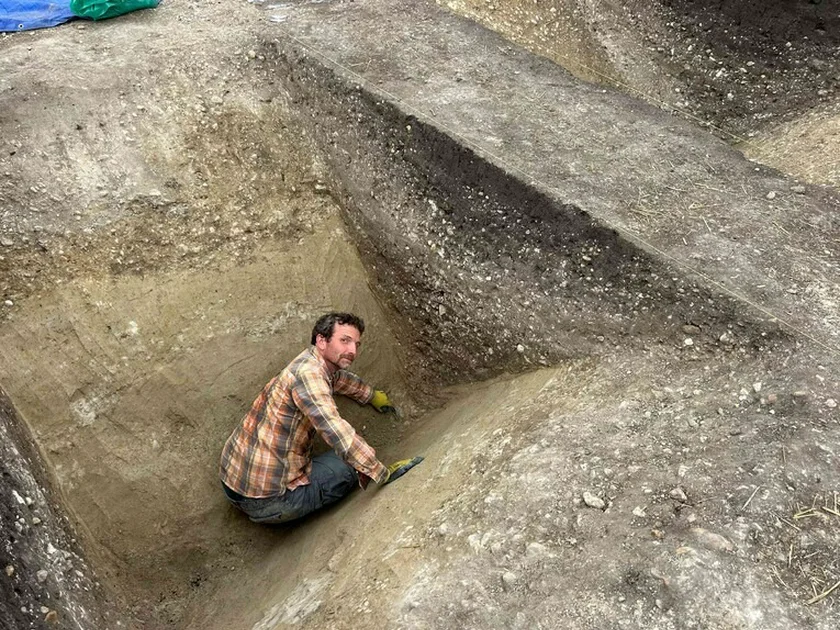
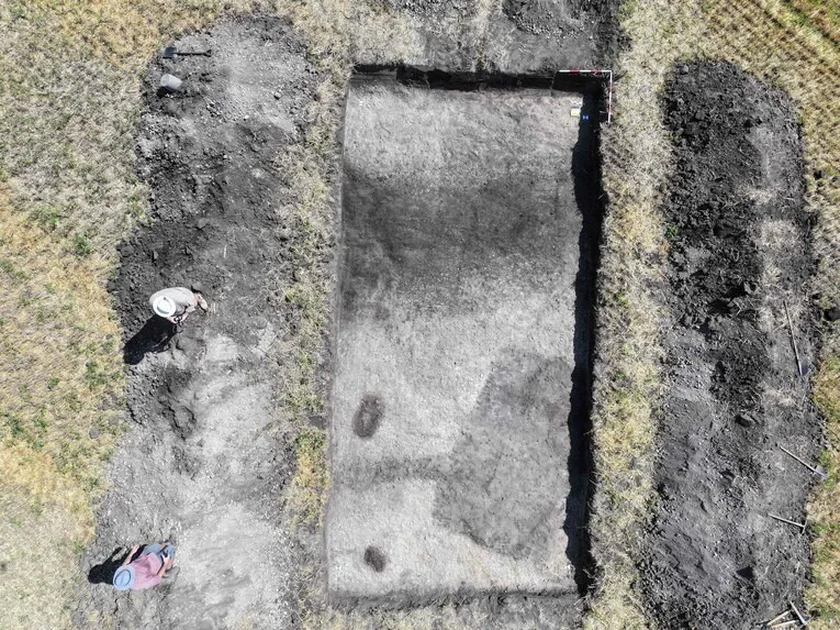
The prehistoric enclosure was built by early farming communities about 6,500 years ago. It was almost circular, measuring 230 meters across, and was surrounded by a ditch more than 2.5 meters deep. Twelve irregularly spaced entrances led into the enclosure.
Circular enclosures from this period are otherwise unknown in the region, according to the archaeologists.
Researchers led by the University of West Bohemia in Pilsen have found that the positioning of the entrances was not random. Their geometry appears to have created observation points for important movements of the Sun and Moon.
A prehistoric calendar
One point is associated with the Moon's extreme positions on the horizon during its roughly 18-year cycle. Another connects sunrise at the summer solstice with sunset at the winter solstice.
"Their geometry creates a system that made it possible to observe the most significant moments of the solar and lunar cycles," said Petr Krištuf of the University of West Bohemia, who leads the research.

The arrangement is similar to one found at Stonehenge in Britain, but the Chleby sanctuary was built more than 1,000 years earlier, according to researchers. They established the site's age through dating organic material found at the site.
Researchers say the connection between the summer-solstice sunrise and winter-solstice sunset may have carried symbolic significance for prehistoric farming communities, representing the beginning and end of an agricultural cycle.
"For prehistoric farming communities, the connection between sunrise and the summer solstice symbolized a beginning, while sunset and the winter solstice represented an ending," Krištuf said. "The same principle can be seen along Stonehenge's main axis."
Evidence of rituals
The site also appears to have been used for rituals.

Archaeologists found bull skulls and horns in the ditch near the entrances. They believe the remains may originally have decorated monumental gates leading into the enclosure.
"The cult of the bull was one of the important religious symbols of the first farmers and is known from many areas of Europe at that time," said archaeologist Jan Turek of Charles University.
Human remains have also been found at the site. Earlier research identified a Bronze Age grave containing the remains of about 18 people from the Unětice culture.
But the sanctuary did not remain a sacred site indefinitely.
Researchers say its role had changed by the Iron Age, when the ditch was gradually filled in and an ordinary settlement developed on the site. This contrasts with Stonehenge, which was repeatedly used and revisited over centuries.

Scientists are still investigating the site
Researchers are now examining the soil around the enclosure for chemical traces left by people who used the site over different periods.

Such traces can help archaeologists determine how the area was used even when artifacts or other physical remains are absent.
"In addition to artifacts or remains of the dead, people also leave chemical traces in the soil," said Jan Fišer of the University of Hradec Králové, who is conducting the soil analysis.
The research is being led by the University of West Bohemia in cooperation with Charles University and the University of Hradec Králové.
The public can get a closer look at the research during an Archaeological Summer event at the Chleby site on Aug. 19 from 3 p.m.