 Reading time: 2 minutes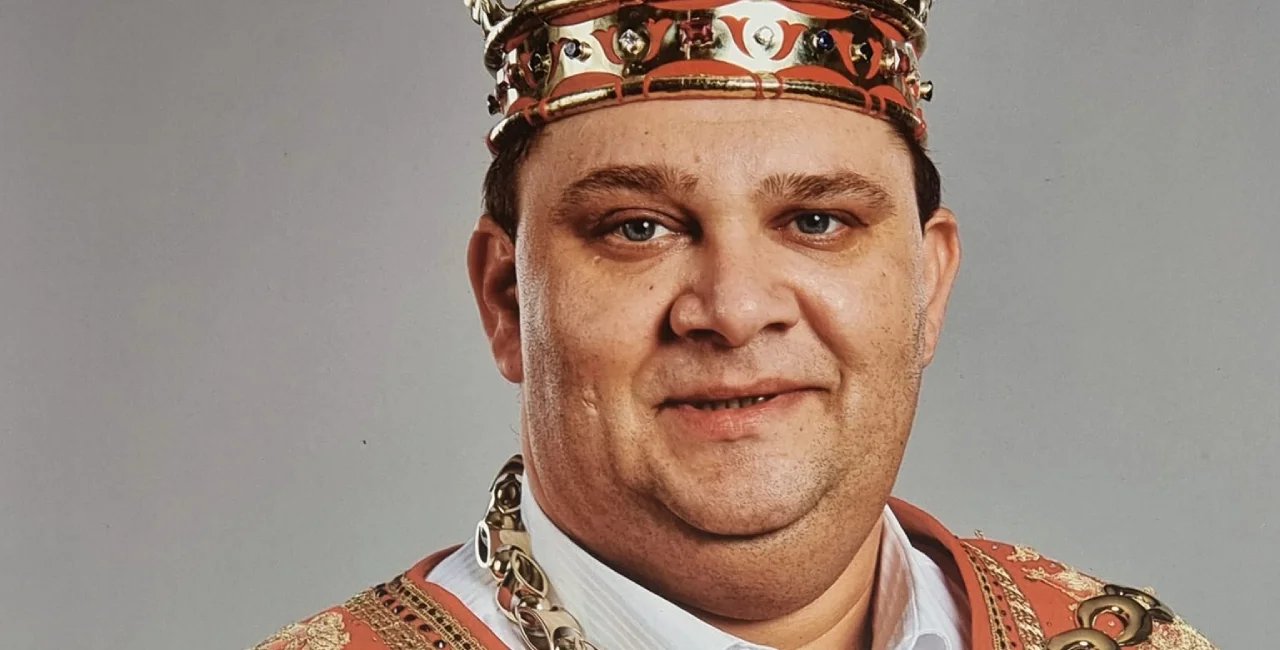

 Summary for: What the passing of Slovakia's 'King' reveals about Roma culture
When Róbert Botoš, known as Róbert I., died on Feb. 15 at the age of 54, Slovakia lost its last officially crowned Vlax Romani king. His passing invites reflection on what such a title represents, both historically and in contemporary society, and how Romani communities in Central Europe preserve identity, authority, and cultural pride.
Botoš’s coronation in 2014 in Košice was part ceremonial, part political, and deeply symbolic. As a “vajda” or community leader, he sought to unite Vlax Romani families, uphold cultural traditions, and support charitable initiatives.
While some Romani groups view kings as central figures of cohesion and pride, others question their authority. Speaking on Romea TV, Romani Studies scholar Markéta Hajská notes that the role is often misunderstood outside the community, sometimes sensationalized by the media.
Ceremony, community, and continuity
Botoš’s reign was marked by both ambition and controversy. A year after his coronation, the Congress of the Romani Nation sought to dismiss him, but he rejected the decision, insisting on his symbolic authority.
Despite disputes, he remained a visible figure embodying Romani culture, blending tradition with modern social engagement. He was known for his opulent public image that included bejeweled crowns and ceremonial robes, but also for supporting underprivileged Romani families and organizing charitable projects.
Botoš’s funeral in Košice reflected the cultural significance of his role. A golden coffin was paraded through the city in a horse-drawn carriage, drawing hundreds of mourners from Slovakia and abroad.
Public memorial events emphasized the communal and symbolic aspects of Romani leadership: the king was not just an individual, but a living link to tradition, a figure around whom identity and values could coalesce.

The Vlax Romani kingship illustrates how certain traditions adapt to modern realities. Historically, kings mediated disputes, maintained social order, and preserved customs. Today, the role functions more as a cultural ambassador and symbol of heritage, highlighting the resilience and continuity of Romani communities in Central Europe.
Romani life in Czechia
Like their Slovak neighbors, Romani culture in Czechia shares many of these traditions, though without officially crowned kings. The Czech Romani population is diverse, numbering tens of thousands and making up about 2-3 percent of the country's total population.
Approximately half of them have integrated into the Czech population, with children attending kindergartens, primary, and secondary schools across the country. At the same time, social and economic challenges persist, and discrimination is widespread. Cultural symbols like the king serve as points of communal pride and identity.
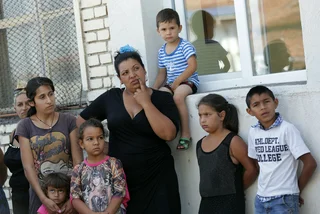
The passing of Botoš offers a lens into the intersection of history, identity, and community for Roma in Central Europe. It is a reminder that, for Romani communities, cultural symbols are not merely ceremonial—they are living expressions of heritage, resilience, and belonging.