



 Reading time: 2 minutes

 Summary for: What do Czechs most want from foreigners? Language, work and respect for rules
What does it take for foreigners to fit into Czech society? Speaking Czech, working legally and following the rules matter more to the public than gaining citizenship or taking an interest in local traditions, according to a new STEM survey.
Almost all respondents identified obeying the law, respecting the local way of life, communicating in Czech and having legal employment as important conditions for successful integration.
The findings reveal common ground in a country otherwise divided over immigration. Roughly three-fifths of Czechs see people moving to Czechia as a threat, while about two-fifths consider it a benefit, according to the STEM research.
Speaking Czech matters more than becoming Czech
For foreign residents wondering what their neighbors expect, the survey places practical participation in society ahead of deeper cultural or civic involvement.
Having Czech friends, showing an interest in Czech culture and traditions, participating in local civic life and obtaining citizenship ranked below language, employment and respect for rules. Nevertheless, a majority still considered those other aspects important.
“The public primarily expects foreigners to follow the rules, not necessarily engage more deeply in cultural or civic life,” STEM research director Jitka Uhrová said.
The distinction matters: respondents generally placed greater emphasis on how foreigners live and communicate than on whether they formally become Czech citizens.

These are public attitudes rather than legal requirements, and the survey does not establish that meeting those expectations guarantees acceptance. STEM found substantial differences in how comfortable people feel about foreigners living nearby.
Most also want the state to help
The public’s expectations come with considerable support for practical assistance.
Around three-quarters of respondents said the state should support integration through Czech-language courses, adaptation courses explaining rights, responsibilities and how society works, and help for foreign children in schools.
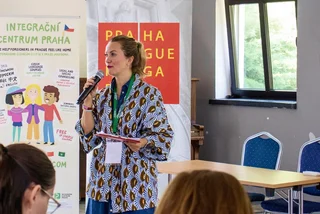
Approximately half also considered joint activities between foreigners and the majority population, psychosocial assistance, and integration projects run by municipalities and nonprofit organizations important.
However, STEM found that most people knew very little about the integration measures the state already provides.

The agency identified five broad groups of attitudes toward foreigners. The most open group, representing about 13 percent of the population, typically included younger, educated people. Other groups ranged from more moderate or cautious respondents to those who largely rejected foreigners’ presence in Czechia.
Acceptance also varied by nationality. One cautious group, accounting for around a fifth of the public, was generally less open to foreigners but more accepting of Slovaks and Vietnamese people.

More than 1 million foreign nationals live in Czechia, representing roughly one in 10 residents. Ukrainians account for approximately half, with Slovaks, Vietnamese and Russians among the other largest communities.
Despite those differing attitudes, the survey found broad agreement on two priorities: foreign residents should learn the language and follow local rules, and the state should help them acquire the knowledge needed to do so.