Reading time: 2 minutes

 Summary for: Heating season in Czechia: Where households can save the most money
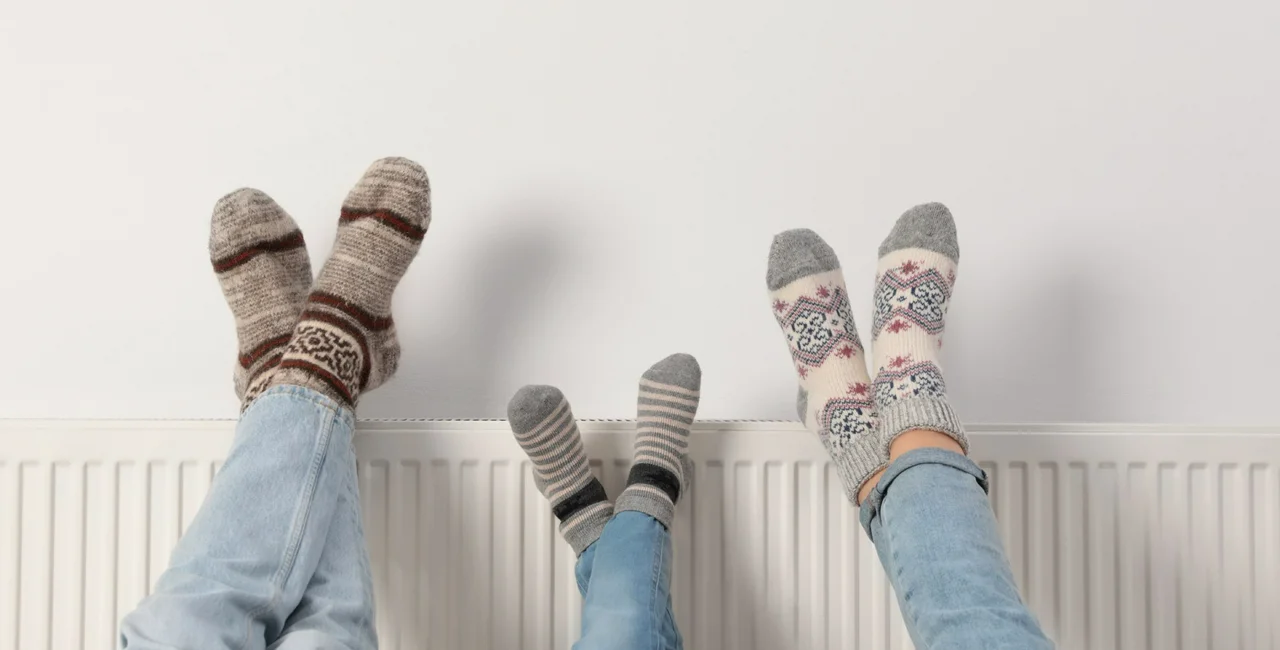
As temperatures drop across Czechia and the heating season gets underway, households are facing higher energy consumption. But while many people focus on unplugging chargers or switching off lights, the biggest opportunities to save money may lie elsewhere.
Heating and hot water account for approximately 80 percent of household energy consumption, according to research from the analytical institute STEM, highlighted in a recent iDNES report.

The findings suggest that adjusting heating habits and making better use of major household appliances could have a greater impact on energy consumption than focusing on smaller electronic devices.
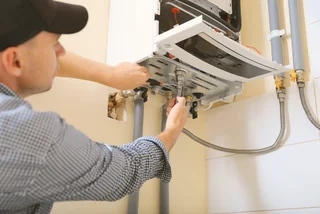
Heating and hot water account for most energy use
According to STEM analyst Sarah Komasová, heating and water heating are responsible for roughly four-fifths of household energy consumption, excluding homes with particularly energy-intensive features such as heated swimming pools or electric saunas.
This makes indoor temperature management one of the most important areas for households looking to reduce their energy use during the colder months.
After heating and hot water, major electrical appliances account for a significant share of consumption. Refrigerators and freezers operate continuously throughout the year, while washing machines and tumble dryers also contribute to household electricity use.
The research suggests that households should prioritize these larger sources of consumption rather than concentrating exclusively on smaller devices.


Small changes that could reduce energy consumption
One practical approach is to review how rooms are heated, particularly spaces that are not used throughout the day. Avoiding unnecessary heating can help reduce overall energy demand.
Households can also make more efficient use of large appliances by running washing machines and dishwashers with full loads where appropriate and avoiding unnecessary tumble-dryer use.
Refrigerators and freezers are another area worth checking, as these appliances operate around the clock. Keeping them properly maintained and ensuring they are not working harder than necessary can help limit electricity consumption.
Although individual changes may seem small, improving how frequently used appliances operate can contribute to lower energy consumption over time.
Are chargers and standby devices worth unplugging?
Electronic devices can continue drawing electricity even when they appear to be switched off. However, the research highlights that these smaller sources of consumption are generally less significant than heating, hot water and major appliances.
Unplugging unused electronics can still help reduce unnecessary electricity use, but it should not be the main focus of a household energy-saving strategy.
The STEM research, conducted as part of a project supported by the Technology Agency of the Czech Republic, also examined energy-intensive household equipment such as swimming pool heating and air conditioning.
Heated swimming pools were identified as particularly demanding, with estimated annual operating times exceeding 800 hours. Air conditioning systems also recorded substantial usage, particularly during summer.
For households preparing for colder weather, the findings point to a straightforward conclusion: the greatest opportunities to reduce energy consumption are often found in everyday heating habits and the appliances used most frequently.