



 Reading time: 3 minutes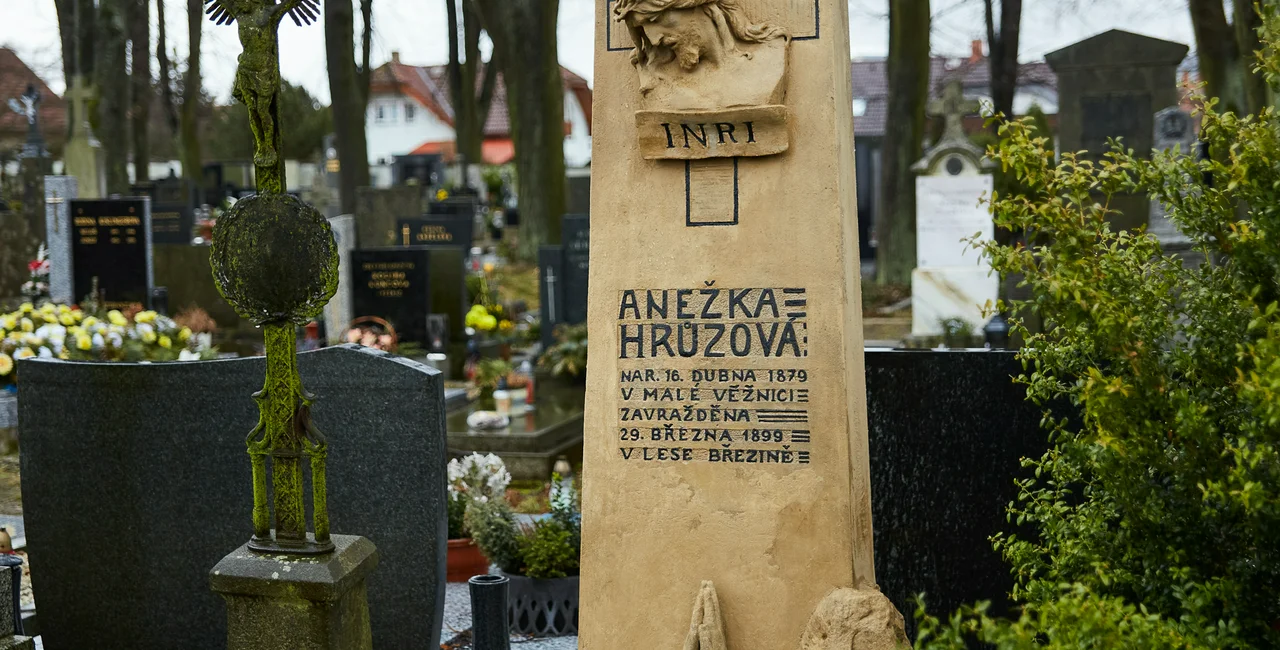

 Summary for: US documentary examines 125-year-old murder case that still haunts Czechia
More than a century after Leopold Hilsner was convicted of ritual murder in one of Central Europe’s most notorious antisemitic trials, an American filmmaker is asking why the Czech justice system still refuses to clear his name.
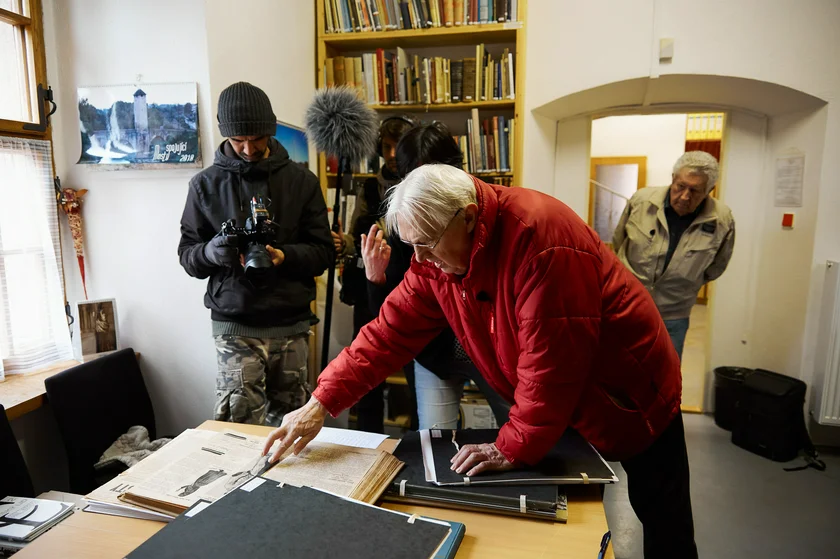
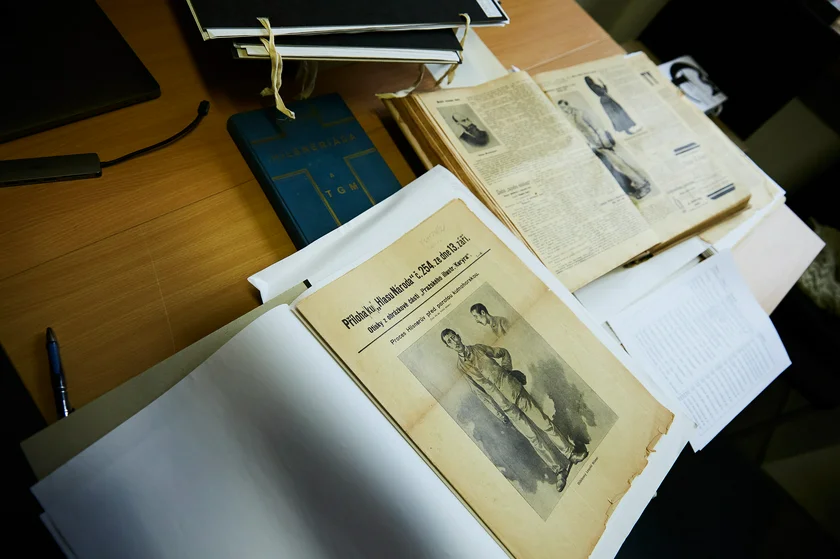
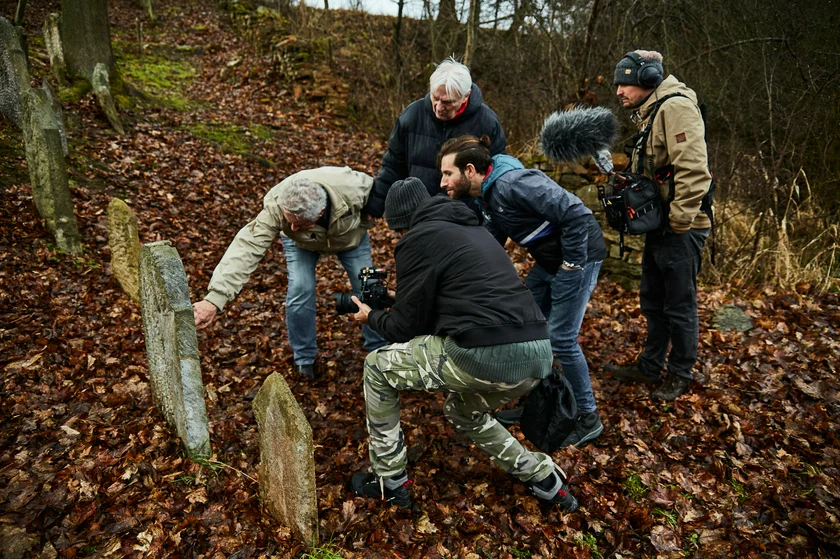
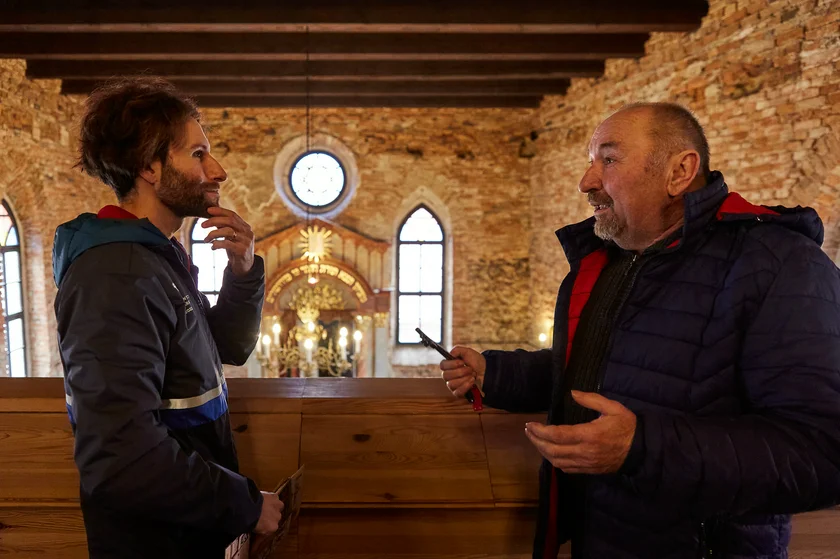
The Future Shapes the Past, a feature-length documentary by Los Angeles-based director Bryan Felber, premiered Saturday in Polná, the small Czech town where the infamous case unfolded in 1899. The film explores not only the historical injustice but its disturbing echoes in contemporary conspiracy theories.
“I found it incomprehensible that Hilsner was still legally guilty,” Felber told the Czech Press Agency, explaining what drove him to spend years researching and filming across four countries.
'Blood libel' claims leads to public frenzy
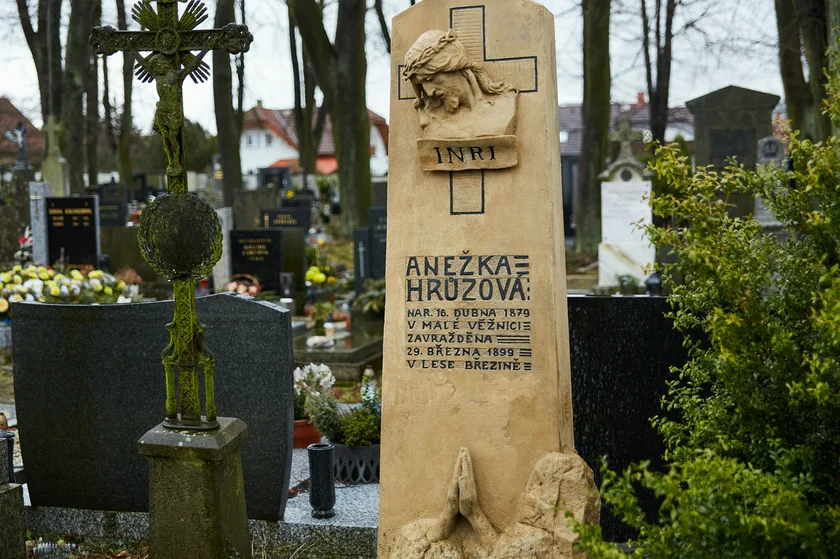
The case began when 19-year-old seamstress Anežka Hrůzová disappeared on March 29, 1899, after leaving work in Polná. Her body was discovered three days later in nearby woods, her throat cut and clothing torn. What followed was a travesty of justice fueled by antisemitic hysteria.
Investigators quickly fixated on the minimal blood at the scene and the coincidence of Passover and Easter, leading them to suspect Jewish vagrants of "blood libel" – the medieval myth that Jews murdered Christians to use their blood in religious rituals.
Leopold Hilsner, a simple-minded Jewish man in his early twenties who had been seen in the area, became their target.
Based on vague testimonies and circumstantial evidence, Hilsner was arrested and pressured into confessing. He named two accomplices who were later proven to have solid alibis. Nevertheless, amid public frenzy, he was convicted in September 1899. Prosecutor Karel Baxa called Jews "disgusting people, people of another race" who "acted like animals."

Among the few voices of reason was university professor Tomáš Garrigue Masaryk, who later became Czechoslovakia’s first president. Masaryk challenged the trial’s numerous errors and called for justice beyond mob passion.
A second trial in Písek added charges for another murder – that of Marie Klímová, whose badly decomposed body was found in the same forest. Hilsner was sentenced to death in November 1900, though this was commuted to life imprisonment. He served 19 years before being pardoned by Emperor Charles I in 1918, and died in Vienna in 1928.
Parallels with modern conspiracy theories
Felber’s documentary features interviews with key figures fighting for Hilsner’s rehabilitation, including Charles Heller, grandson of Hilsner’s guardian, who shared precious family memories from Toronto.
In Berlin, the director met Petr Vašíček, who launched the rehabilitation movement in 1996. He also consulted prominent historians, American experts like Hillel Kieval, and the Czech Chief Rabbi Karol Sidon.
“When I started filming, I didn’t really want the Hilsner affair to be the main theme,” Felber told Czech publication Deník. He initially explored broader topics, such as Czech Zionism, Stolpersteine, and historic Jewish towns, but during editing, he realized Hilsner’s story demanded center stage.

The film also draws troubling parallels to modern conspiracy theories. “The internet is full of conspiracy theories that echo the themes of ritual accusation,” Felber said, citing QAnon’s claims about Jewish elites harvesting children’s blood. “This is essentially ritual accusation 2.0."
Recent research by journalist Jaroslav Mareš suggests the most plausible scenario: that Hrůzová was killed by her own brother in a dispute over selling their house, one of the first theories investigators dismissed.
In September 2023, following years of work by attorney Lubomír Müller, the regional prosecutor’s office in Jihlava was ordered to re-examine a motion to reopen proceedings. This marked the first such opportunity in over 120 years. However, Müller's motion was repeatedly rejected.
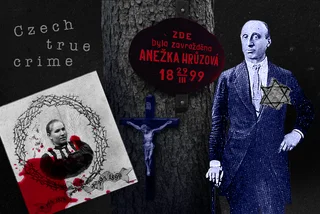
Despite widespread recognition of Hilsner's innocence, his conviction has never been officially annulled. “As long as it is written in the official records that he is guilty, someone will always be liable to believe it," Heller told Czech Radio in 2023.
For Felber, a graduate of Brno's Masaryk University, the stakes extend far beyond one historical case. By refusing to confront this injustice, he suggests, society leaves the door open for history's darkest prejudices to return.