 Reading time: 3 minutes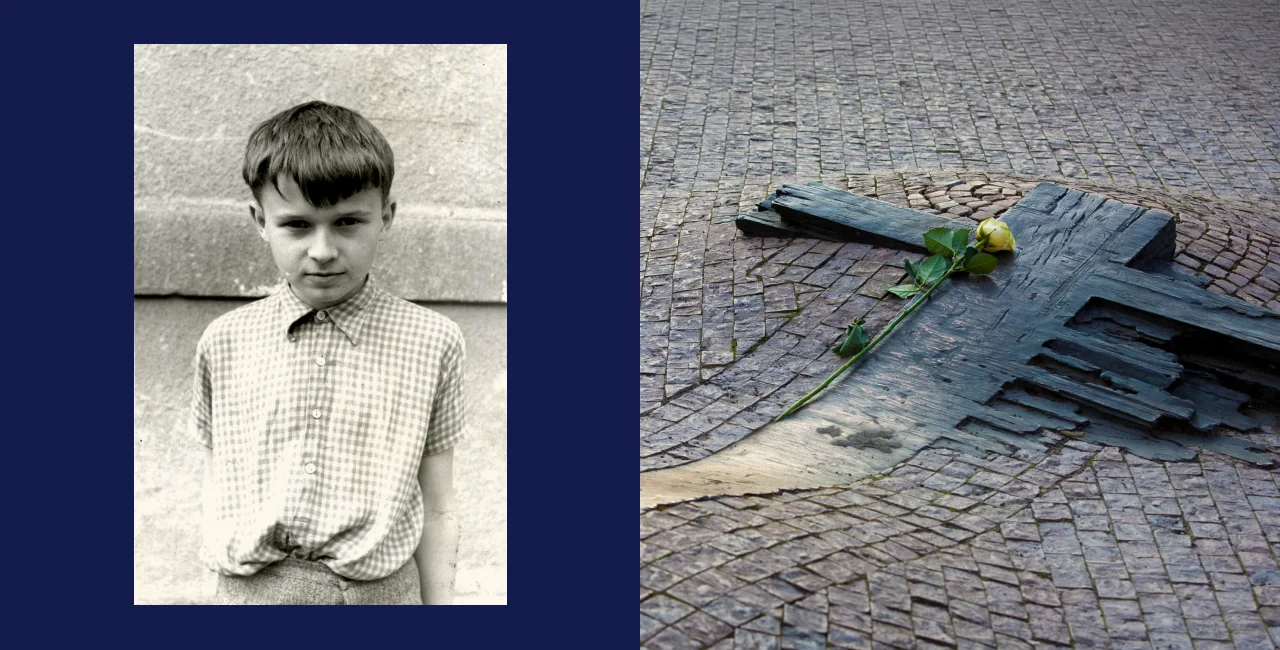

 Summary for: How the boy who became a ‘Living Torch’ still inspires Czechia today
On Jan. 16, Czechia commemorates the 57th anniversary of student Jan Palach’s self-immolation in protest against the 1968 Soviet occupation.
It was on this day that the student of the Prague Faculty of Philosophy set himself ablaze in front of the National Museum in Wenceslas Square, succumbing to his extensive burns on Jan. 19, 1969.
Palach’s funeral became a large-scale protest for freedom and democracy attended by the some 200,000 mourners who attended his funeral procession through Prague's Old Town. Yet within a few months, the communist authorities began erasing his memory.
Prague is now ensuring his sacrifice is not forgotten by ensuring the continued preservation of the famous memorial cross that commemorates the spot where the act took place. The marker was recently moved amid new developments in the area; its accompanying plaque will be moved to a new museum set to open in the coming months.
Palach's story is also being preserved in a newly released book that examines how the 21-year-old student's act inspired a wave of “human torches” across the Soviet Bloc.
Why was the monument moved?
The cross-shaped monument at the site of Palach’s self-immolation was returned to the front of the National Museum in Prague earlier this week, just in time for the memorial events taking place on the morning of Jan. 16.
The monument had been in storage since March 2025 to allow for tram line construction and metro repairs.

The removal and reinstallation of the monument was carried out under the direct supervision of its creators, Barbora Veselá, Čestmír Houska, and Jiří Veselý, who agreed to move it slightly to improve the overall appearance of the square, Prague Public Transport spokesman Daniel Šabík said.
The accompanying memorial plaques of Jan Palach and Jan Zajíc, another Czech student who set himself on fire in protest on Feb. 25, will be moved to the new Museum of Memory of the 20th Century, considered a more dignified location as the area develops.
Once the museum renovations are complete, a permanent exhibition will display the plaques. The museum is set to open in early 2026.
The legacy of 'living torches'
In December 2025, Museum director Petr Blažek released a new book, Living Torches in the Soviet Bloc (Karolinum Press, 2025), devoted to the international wave of similar protests that resonated throughout the Soviet Bloc for decades.
Blažek’s book explores more than fifty cases of self-immolation in the Soviet Bloc from 1966–1989, focusing on twenty-one instances with clear political motivation.

Many were a radical response to the 1968 Warsaw Pact occupation of Czechoslovakia and the suppression of the Prague Spring. The acts of these “living torches,” Czechs, Poles, Lithuanians, and Ukrainians among them, shared a rejection of totalitarian rule.
Blažek told Czech Television that the Museum of Memory, currently renovating its House of Pages in Hradčany, will provide a permanent home for these plaques and stories, offering space to reflect on the courage and human cost behind these extraordinary acts.
Palach's memory in the context of today
Jan Palach’s sacrifice continues to resonate across Czechia as a symbol of civic responsibility and resistance.
In January 1989, the 20th anniversary of Jan Palach’s death in central Prague sparked unexpected protests against the communist regime.
Thousands openly expressed their dissatisfaction despite harsh crackdowns, surprising both the authorities and the dissident opposition.

A few months later, the regime fell, and the memories of Palach and Jan Zajíc have been commemorated annually. Since 2014, Jan.16 has been an official day of remembrance in Czechia.
In Prague, Palach’s memory is embedded in the city itself. A square near Charles University bears his name, while. His story has inspired films, most notably HBO's 2013 Burning Bush.
In 2015, the National Museum purchased Palach’s family home and began transforming it into a memorial and interactive exhibition that contextualizes his self-immolation within 20th-century Czech history.
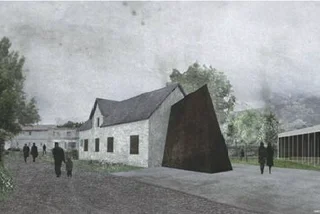
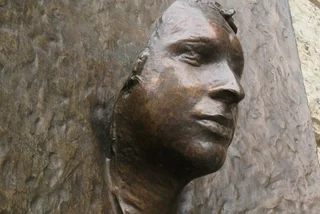
Visitors can explore four interactive screens, see personal artifacts such as the briefcase he carried that day, the national flag that covered his body, and the death mask crafted by sculptor Olbram Zoubek.
Reflecting on Palach’s enduring relevance, President Petr Pavel wrote on social media today:
“If we should take anything from his legacy, even after 57 years, it is a challenge that we must not stop defending our fundamental values. And we must also never accept developments that go against these values.”