 Reading time: 3 minutes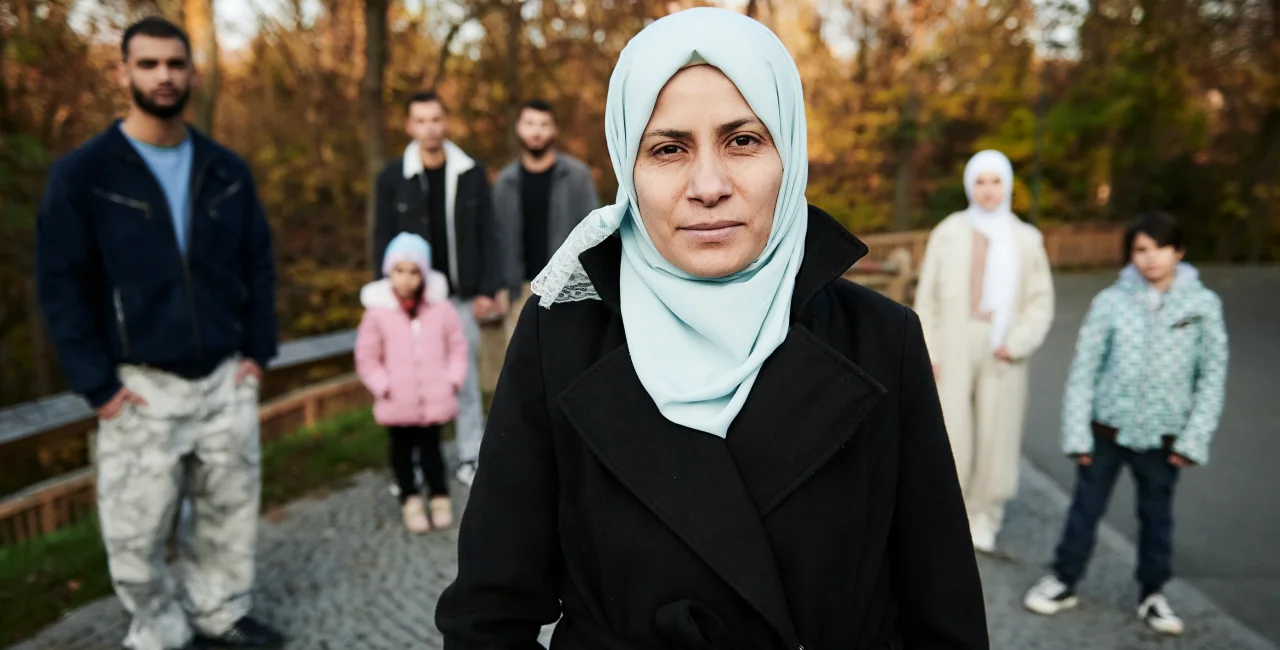

 Summary for: 'Prague and Syria—both are my homelands': A Muslim family's ten years in Czechia on film
Time-lapse documentary has a strong precedent in Czech culture through filmmaker Helena Třeštíková, whose 40-year career is renowned for observational documentary portraits following subjects over decades.
Třeštíková’s body of work includes more than 30 time-lapse documentaries, including A Marriage Story and Private Universe, which provide intimate views of ordinary lives, a documentary approach that Czech filmmakers have pioneered.
Amira’s Children, a new documentary by director Markéta Ekrt Válková, sits comfortably within this tradition. Válková’s ten-year commitment trains the lens on the controversial topic of Muslim integration into Europe.
Amira Alhariri arrived in Prague with her husband and children ten years ago, bringing with them little more than memories of the life they left behind in war-torn Syria. While initially facing prejudice, the family has since bridged cultural gaps thanks to what the filmmaker calls Amira’s openness and empathy.
“Without Amira, the film probably wouldn’t exist,” says Válková. “Her belief in goodness and hope allowed us to document their lives for so long. Amira is firmly rooted in her values. She is empathetic, open, and curious."
Over ten years, we watch Amira confront challenges that will feel familiar to anyone who has raised children between two worlds, everyday situations often fraught with unexpected tension. Her daughter hesitates between wearing a hijab and fitting in with her peers, while her youngest son begins speaking Czech better than Arabic.
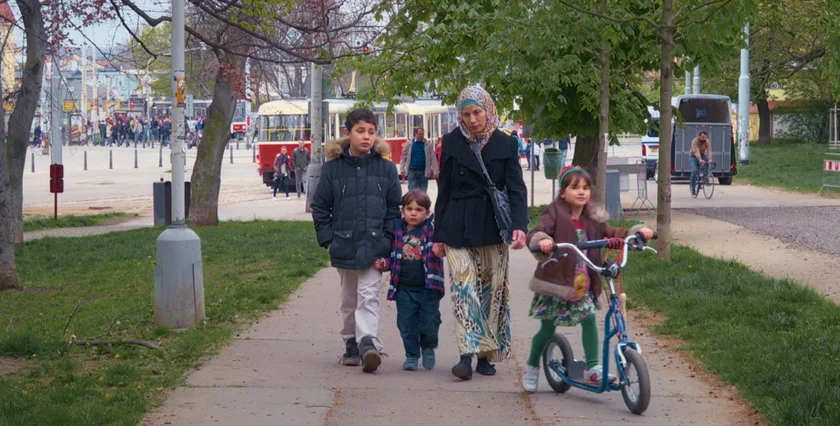
The documentary shows the family gradually connecting with their Czech environment from the gymnasium classroom where they first met the director (whose son attends the same school as Amira’s son Kenan), through everyday moments in her husband’s kebab shop, to family scenes showing Amira preparing traditional meals and sharing stories from home.

Meanwhile, the family's perception of the Czech community evolves from initial fear to friendship and mutual respect. “I was surprised that Czechs think an Arab woman in the Czech Republic wants to free herself from something she had been living in. But this image is distorted and completely wrong,” Amira says.
“I am a Syrian Muslim, open since childhood, and even though my father is an imam, he always gave me complete freedom in my beliefs and work."
Válková began filming at a particularly fraught moment. “The refugee crisis was at its peak, and I was personally and professionally interested in what had brought this family here and what challenges affected their integration,” she recalls.
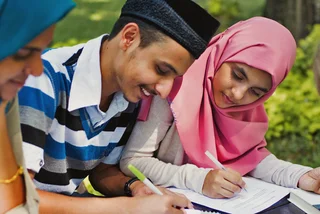
“At the start, it was almost comical how much of an embargo there was on information. I called it 'underground goodness.' Everyone wanted to help but feared public judgment."
Válková filmed during a period of highly polarized debate on refugees in Czechia. "As a nation, we are inexperienced with refugee issues and coexistence with other cultures and religions, so we are easily manipulated by loud voices oversimplifying reality,” she says.
The film offers no solutions; instead, it presents the reality of ordinary people seeking their place in a new world. “The goal is to understand challenges objectively and solve problems without emotion,” Válková emphasizes. “I always knew the film’s purpose: to demystify ‘boogeymen.’"

The natural conclusion of the story was shaped by history itself with the fall of the Assad regime. The documentary captures the moment when Prague began to feel like home for the family.
Today, the word “homeland” has a new meaning for Amira: “After the fall of the old regime, I regained hope for the existence of my homeland,” she says. “My beloved Prague and my native Syria, both are my homelands, and I am proud of them and feel love for them.
Amira, who currently works at Prague’s Diakonie, helping other families find their place in Czech society, goes on to say that, “I myself was influenced by social media and made premature judgments about Czechs, but living with them and getting to know them personally completely changed my perspective. Every society has good and bad people.”
Amira’s Children will be released in Czech cinemas on Feb. 19, 2026. Selected cinemas in Prague should have screenings with English subtitles.