 Reading time: 2 minutes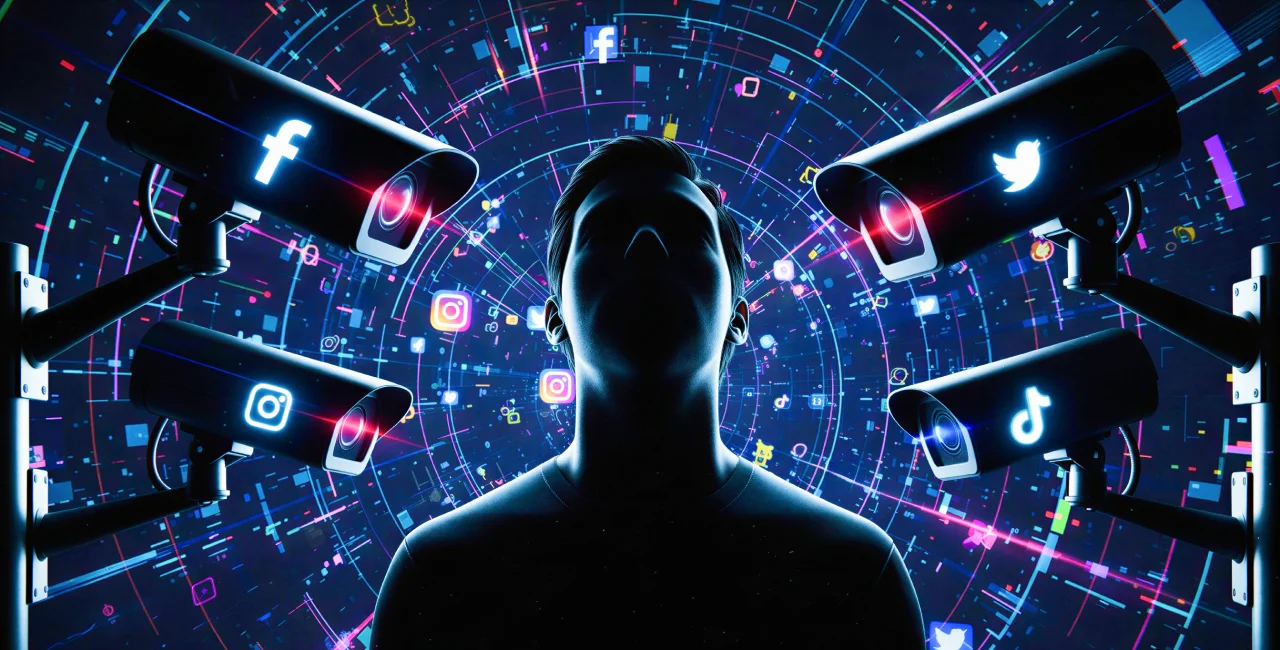

 Summary for: US plans for 5-year social media review to affect Czech travelers
The U.S. Customs and Border Protection (CBP) has announced a controversial proposal to require all foreign visitors from visa-waiver countries, including citizens of the Czech Republic, to provide their social media history from the past five years as a mandatory condition of entry.
The proposed rule, officially published in the Federal Register on Wednesday, Dec.10, seeks to dramatically transform the Electronic System for Travel Authorization (ESTA) application used by short-term tourists and business travelers.
Sophia Cope, of digital rights organization the Electronic Frontier Foundation, criticized the plan in a statement, writing that it could exacerbate civil liberties harms. Immigration experts say there could also be longer waits for ESTA approvals among applicants.
Beyond social media handles from platforms like X and Instagram, the proposal also mandates the collection of other highly personal data, citing a January executive order including email addresses used in the last ten years, telephone numbers from the previous five years, and detailed information on family members.
The CBP estimates that over 14 million people will be affected by these sweeping changes annually once they are implemented.
A new hurdle for Czech travelers
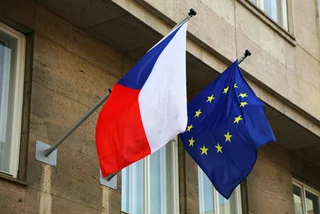
For citizens of the Czech Republic, a long-standing participant in the Visa Waiver Program, this change represents a significant shift.
The current ESTA system, which grants swift, visa-free access for stays up to 90 days, would become a more intrusive data-gathering exercise and digital surveillance tool under the new policy.

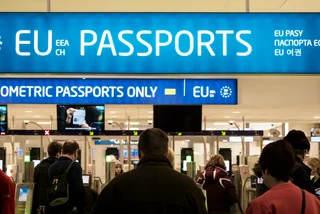
Unlike the EU’s pre-travel system, ETIAS (European Travel Information and Authorisation System), which relies on automated checks against defined security databases and does not require social media history, the U.S. system is not bound by EU privacy laws (GDPR), which define strict rules on data retention and the security of citizens’ information.

The Trump administration has previously required foreign nationals to make their social media accounts public if they are applying for student visas or H1B visas for skilled workers, the latter of which now also entail a much higher fee.
Increased restrictions on people entering the U.S. follow the shooting of two National Guard members in Washington, D.C., in late November.