



 Reading time: 7 minutes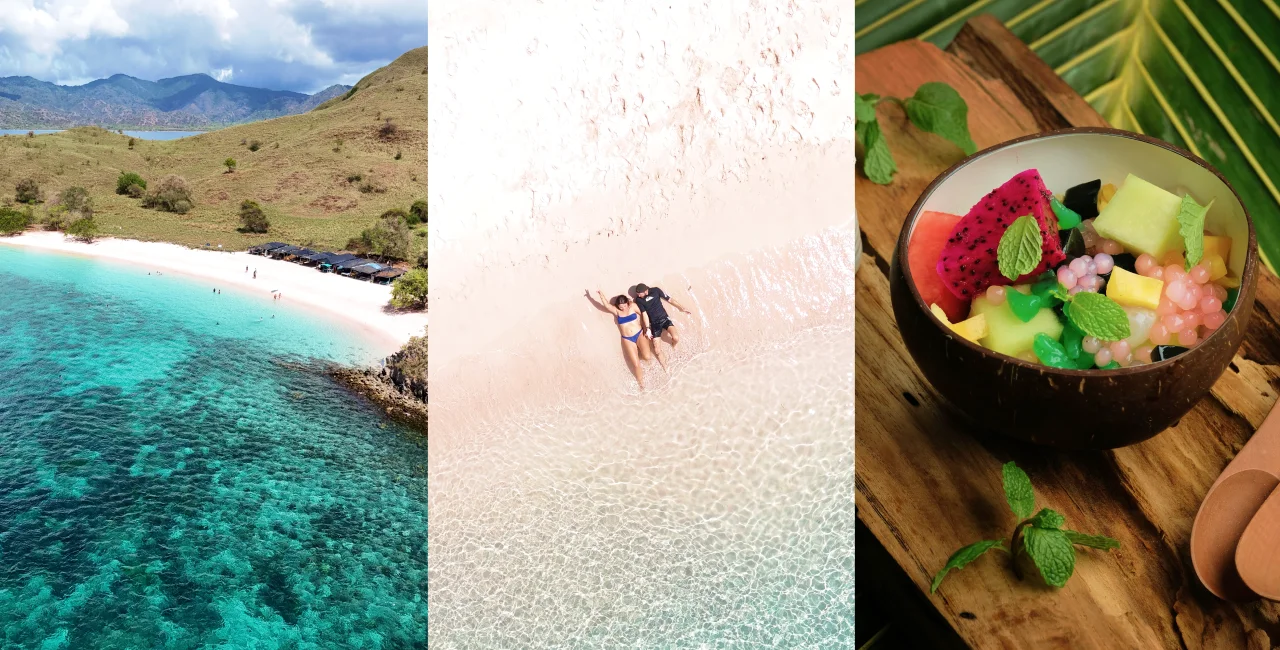

 Summary for: Why Indonesia has become a fascinating new frontier for travelers from Czechia
It’s dawn on the Flores sea, and I’m eating mango and sipping coffee from the deck of a wooden sailboat. The boat is approaching the shores of Komodo National Park, where a “dragon” awaits. Once we’ve explored the jungle habitat of this giant lizard, we’ll motor on to the next island to savor rose quartz-tinted beaches and fresh coconuts.
This three-day, two-night sailing experience, complete with a private chef preparing fresh-caught fish and multiple stops for snorkeling in turquoise waters, costs around CZK 5,000. It’s just one example of why Indonesia has become the new frontier for Czech travelers seeking affordable luxury.
According to Student Agency, interest in Phuket, Sri Lanka, and the Maldives among Czech travelers has increased by half since last year alone. Indonesia, particularly Bali, is also among the top destinations for 2026, thanks to lower ticket prices and easy flights from Prague or Austria.
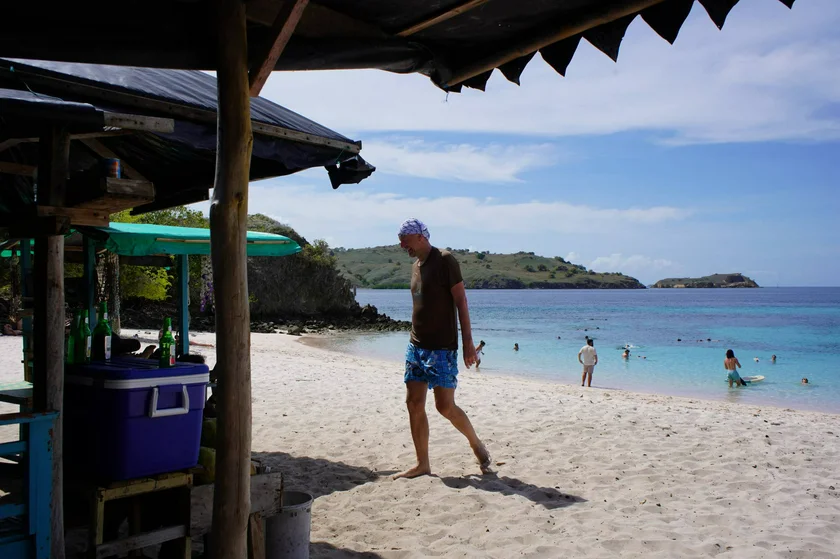
But while Bali may have put Indonesia on the Czech travel map, officials want visitors to explore further the ancient trading ports, volcano-fringed islands, and fishing communities where tourism is less about filling Instagram feeds and more about cultural exchange.
The Czech-Indonesia connection
The bond between Czechia and Indonesia is one of unexpected symmetry. One emerged from the Iron Curtain in 1989; the other shed decades of authoritarian rule in 1998. This shared history of preserving identity against foreign influence has drawn Czech travelers for decades.
Karel, a Czech travel journalist and photographer and founder of Kolem světa (Around the World), Czechia's largest annual festival devoted to travel, first visited the country in 2001 and has returned dozens of times since. He feels such a connection to the people and culture that he and his wife are helping an Indonesian student attend college in Prague.
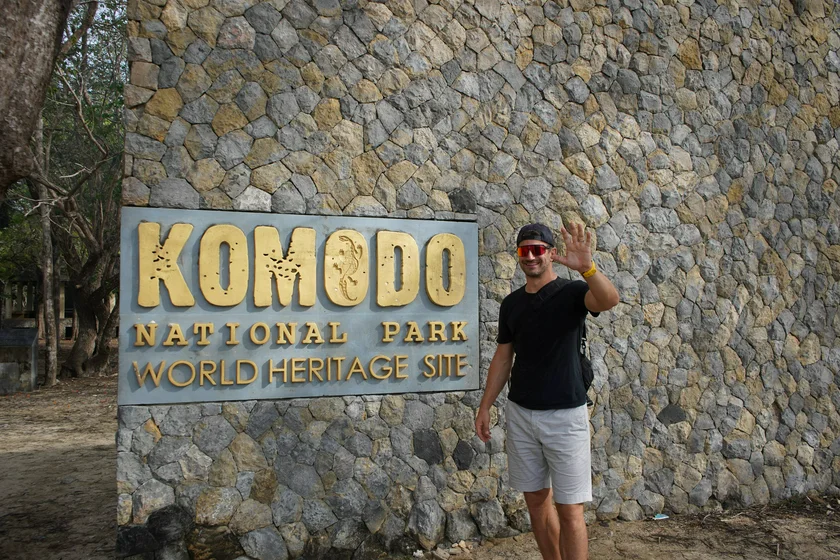
“It’s like a small continent within the vast continent of Asia. The entire country is home to hundreds of distinct ethnic groups that speak various languages, have diverse cultures, and observe different customs.”
He cites the culture and traditions as “incredibly exciting,” and adds that every time he comes, it’s to a “new world” with “new human stories.”
Karel’s love for the country runs so deep that he has picked up some of the language. “It was created only a few decades ago, and its sentence structure is easy to learn quickly. This opens doors to the local families and allows you to make new friends.”
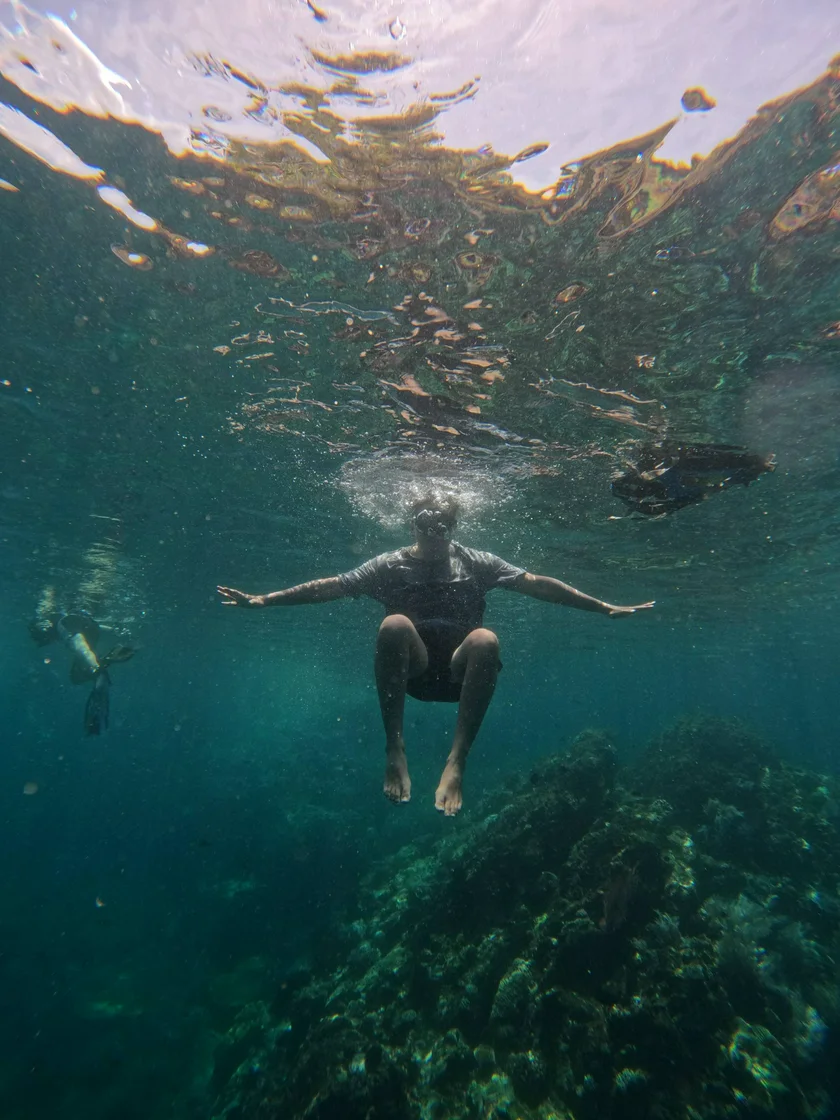
This sentiment is echoed by Czech content creator Kamila, who splits her time between Bali and Austria, focusing her lens on “slow travel,” defined by activities such as diving, hiking, and other natural expeditions that officials hope will entice travelers further into the authentic heart of the archipelago.
Labuan Bajo: The new Bali
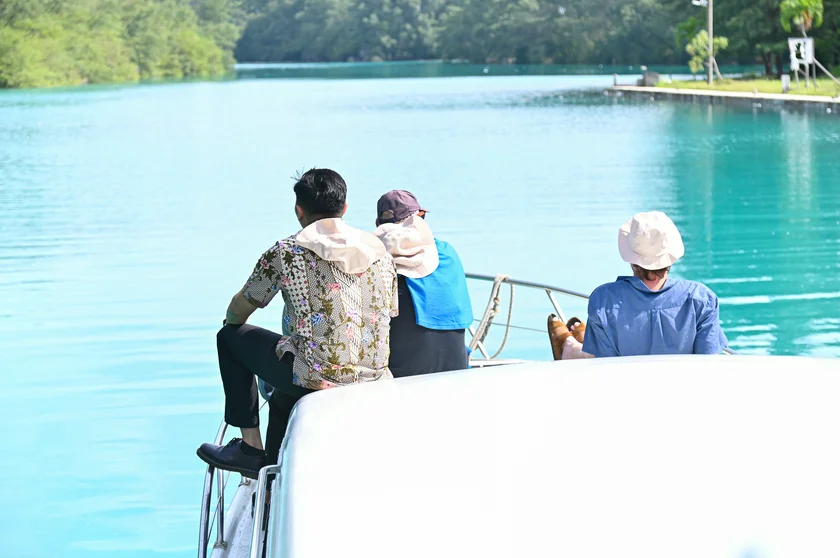
If rising with the sun to snorkel among baby sharks, followed by time out on a sun-deck watching verdant islands glide by, all the while indulging fried bananas and dragonfruit juice, sounds like a White Lotus dream, you’ll find this scenario more within reach than you think.
Our traditional phinisi wooden boat departed from Labuan Bajo, a fishing town on Flores Island, with a tiny yet modern airport and a single 5-star hotel (which had opened just a week prior to our visit).
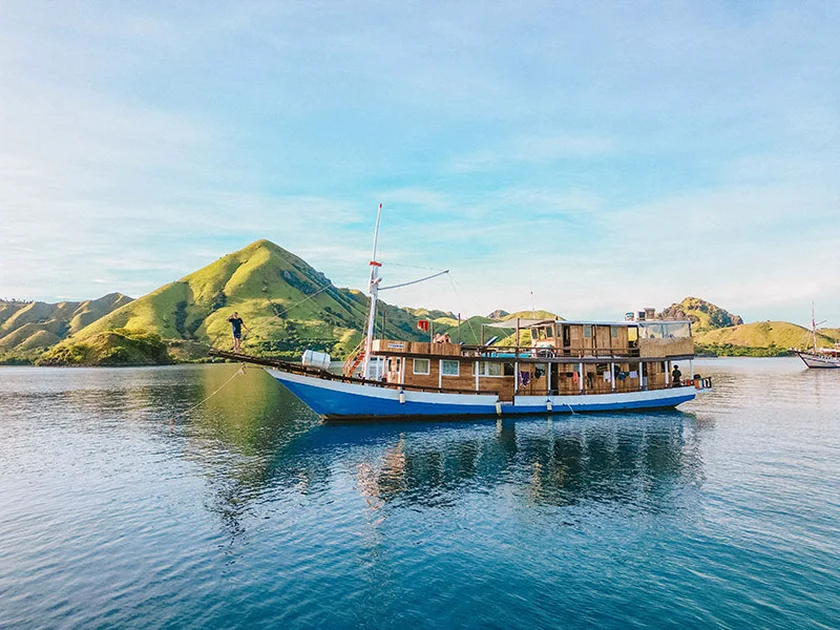
The itinerary saw us plunge into cavernous coral reefs at Bidar Island and Manta Point, enjoy the unspoiled beaches of Taka Makasar, and hike up 850 ancient stairs to watch the sunset atop Padar Island.
At Komodo National Park, we tracked the Komodo dragon in its natural habitat, accompanied by our guide’s explicit account of the dragon’s dual-pronged anatomy and ménage à trois mating methods.
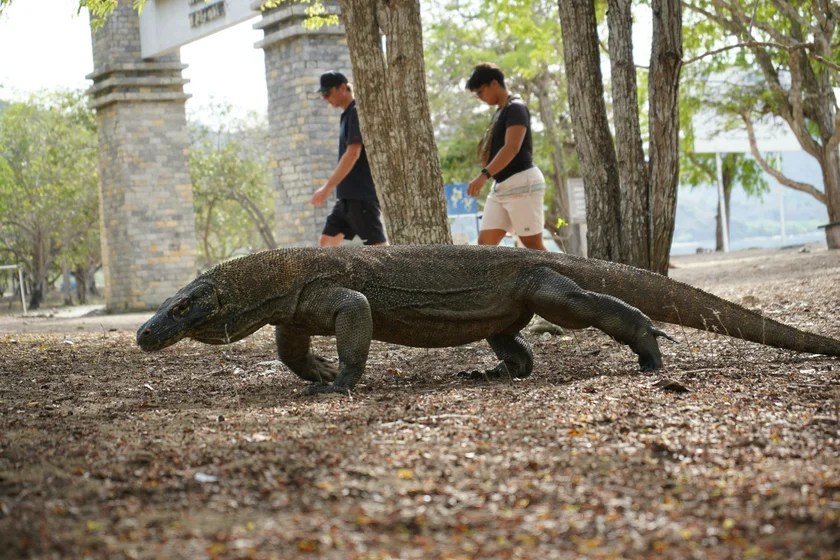
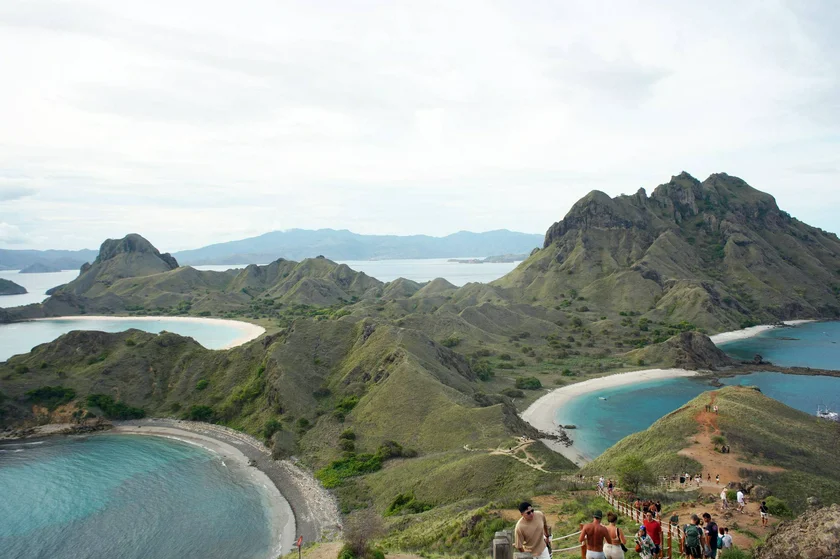
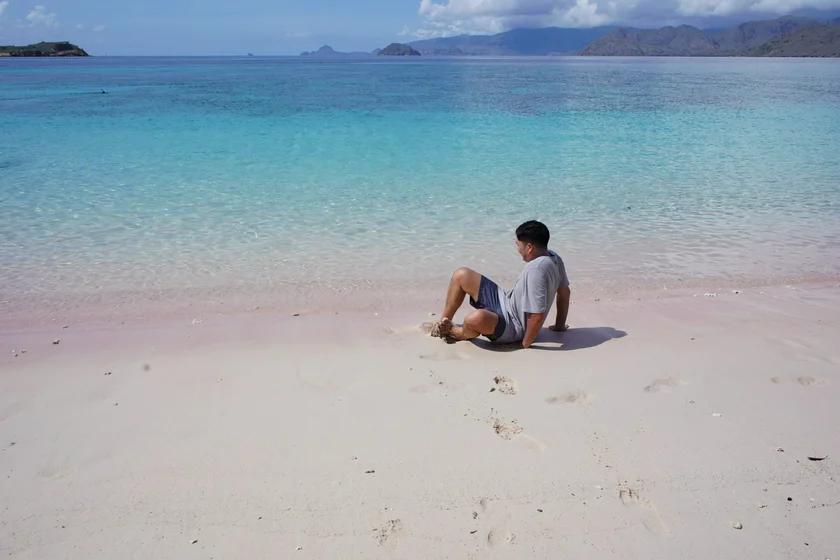
The boat itself was bare bones. We slept in narrow bunk-style berths and met on the top deck for meals of fried rice and fish clad in chili sauce; each day the chef would dangle a pole in the water to catch our evening meal.
There was little to buy other than fresh coconut and Bintang Beer, no wifi, and few attractions other than the unadorned splendor of the islands.
For many of us, it was the unplugged holiday we craved, and yet we were in no way detached from human connection. We lived with the crew in a community, eating together, sharing the two showers on board, and becoming, as our guide, Cesar, predicted at the beginning of the tour, a family.
Back on dry land, it was hard to say goodbye.
Jakarta: The unexpected city break
Jakarta, a sprawling megalopolis on Java’s northwest coast, tells a separate story from Labuan Bajo’s beach-and-jungle travelogues. It is the world’s largest Muslim-majority city. Yet, the massive Istiqlal Mosque stands directly opposite the neo-Gothic Jakarta Cathedral, a silent testament to Indonesia’s motto, “Bhinneka Tunggal Ika” (Unity in Diversity).
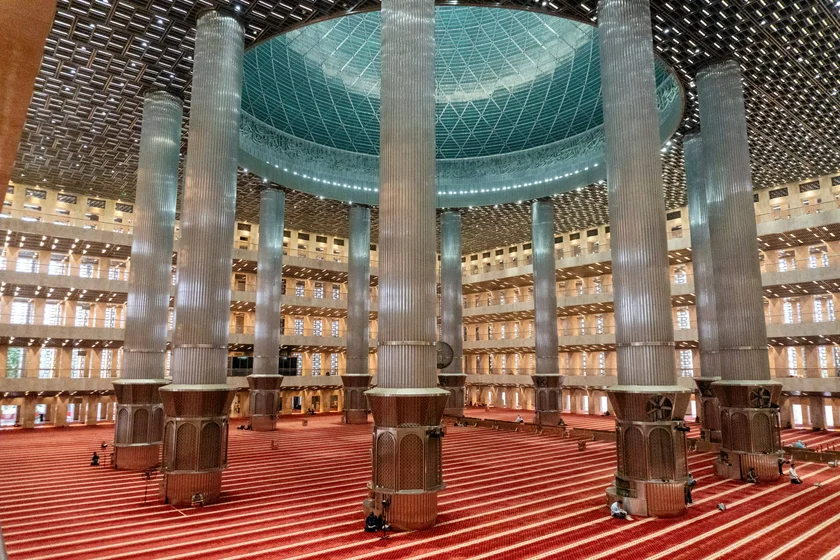
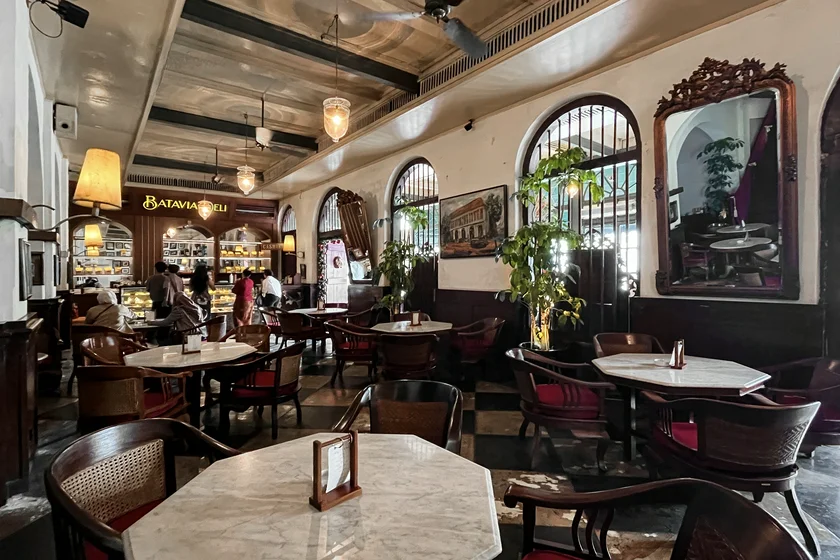
Once the imperial Dutch capital of the East Indies, then known as Batavia, the city’s colonial legacy still lingers. You see it in the canals, coffeehouses, and crumbling grandeur of Kota Tua (Old Town), as well as in the collections of the National Museum of Indonesia in Central Jakarta, where two centuries of history are on display.
And yet in the city’s unrelenting heat, it’s the colossal air-conditioned malls that have become the modern village squares, where cinemas and prayer rooms sit alongside stalls offering every viral food trend you can imagine, from Korean corn dogs to Japanese cheesecake.
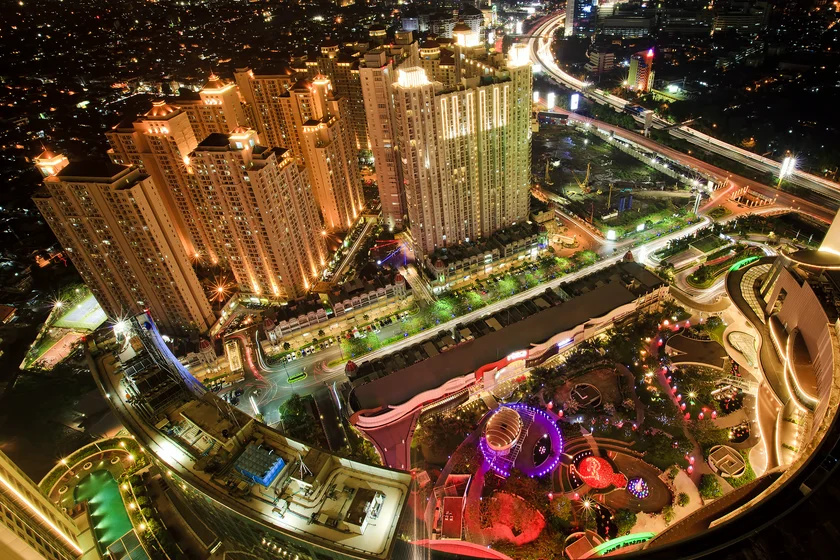
But the real draw isn’t the shopping, it’s the sweeping sense of history that jostles you along the traffic-choked streets to the next destination. Arriving from the wooden stalls of Prague’s Christmas markets into Jakarta’s sweltering neon-lit Wahid Hasyim district was a sensory jolt.
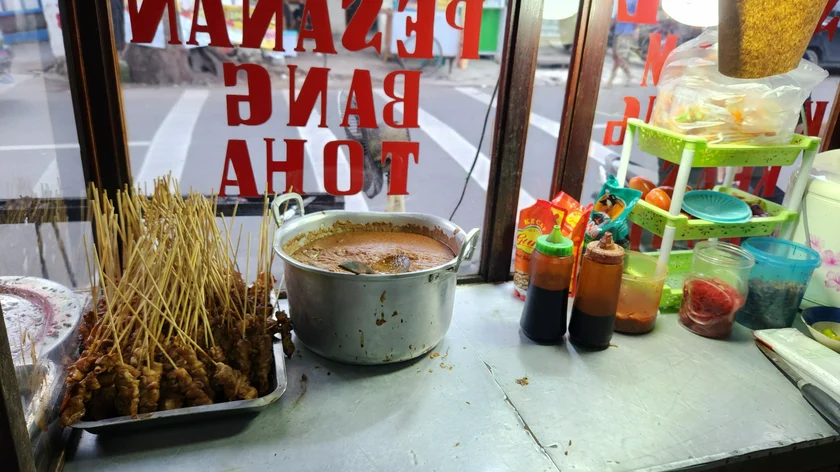
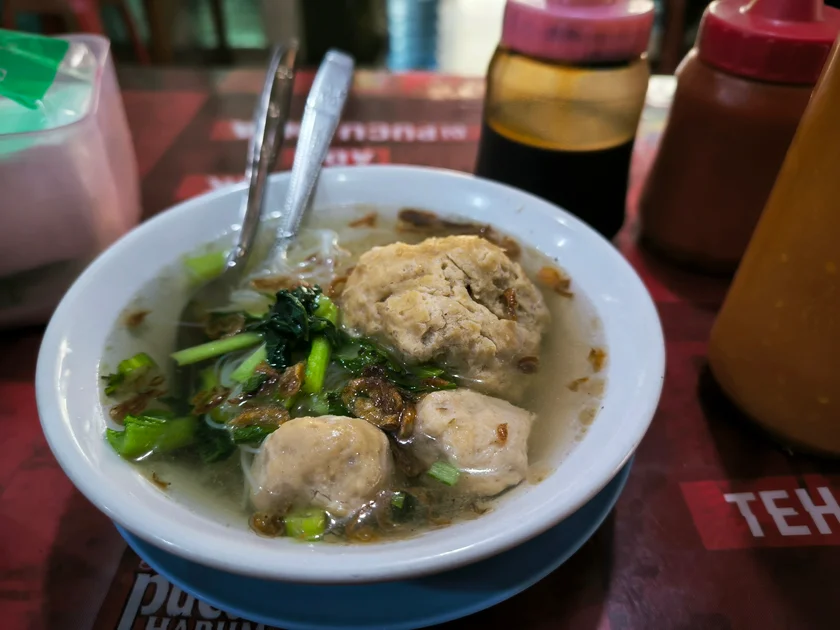
On our first night in the backpacker-favorite district of Wahid Hasyim, known for its open-air satay kitchens, a family feast of bakso (meatball soup) and coconut-laced juices costs less than CZK 400.
For the price of a mid-range pension in Europe, you can find five-star luxury here, using the city as a base to explore the surrounding islands, including the Thousand Islands (Kepulauan Seribu) just a 30-minute boat ride from North Jakarta.
The responsible tourism push
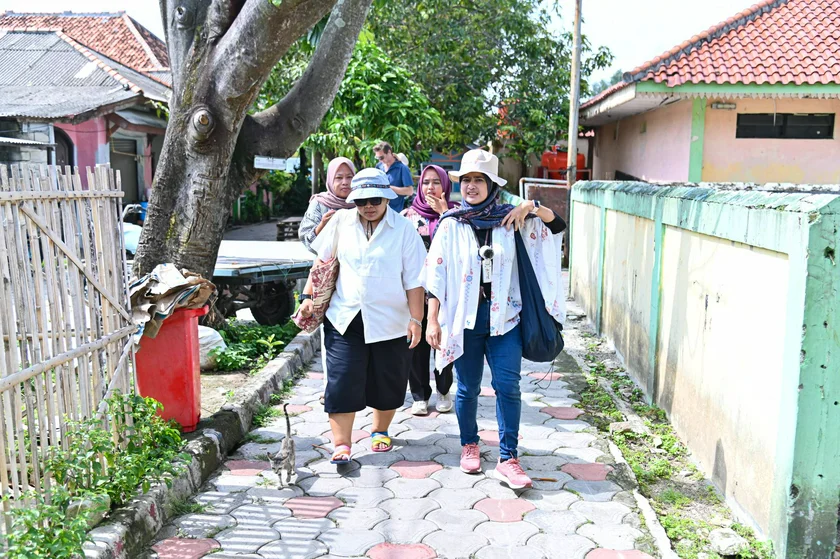
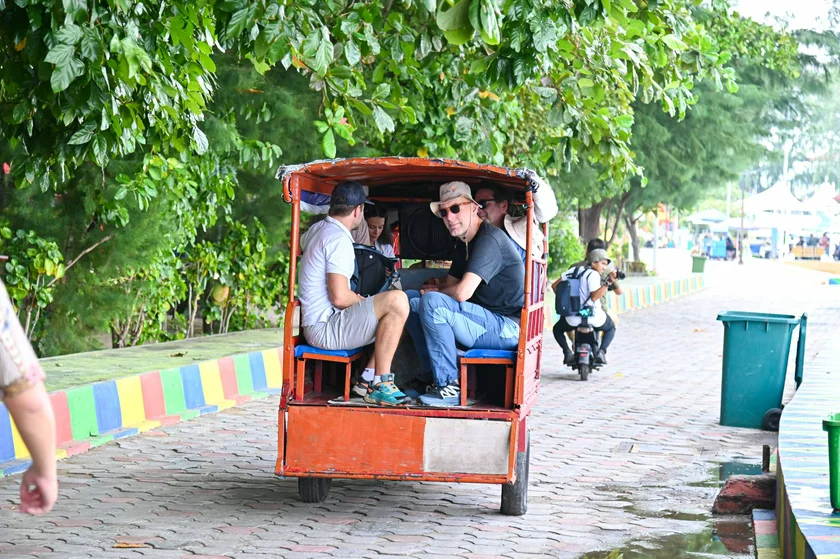
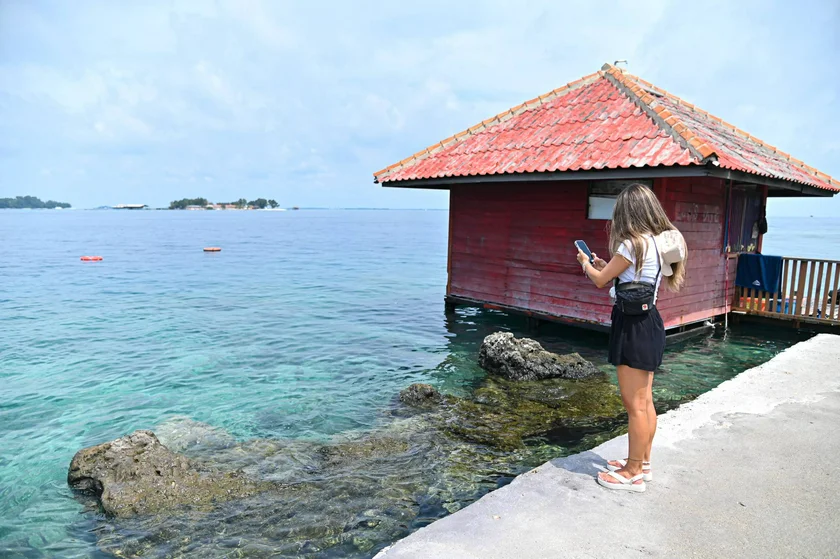
The Thousand Islands offer something the package tours rarely show: community. Here, life revolves around the local school, the football field, and residents navigating narrow lanes on scooters. There is only a single “resort,” identifiable mainly by hammocks slung between trees and a sliver of private beach.
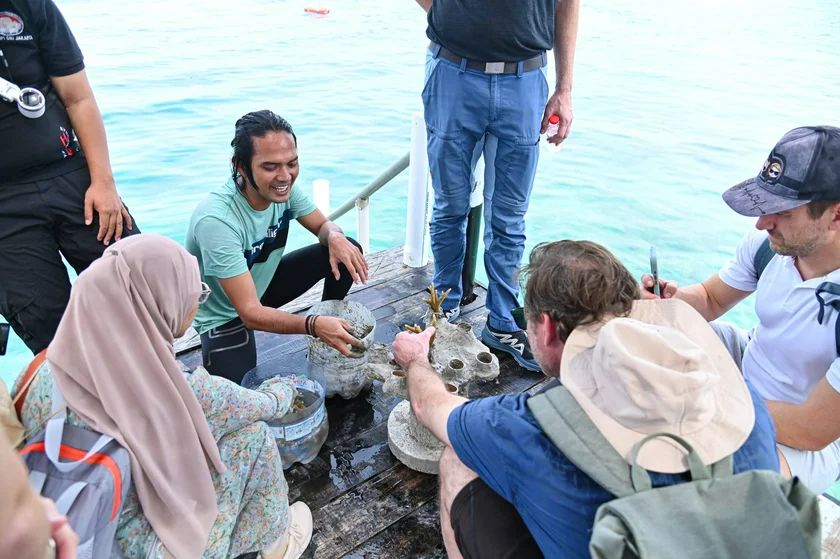
On Pramuka Island, sometimes dubbed the “poor man’s Bali,” we joined local volunteers to help replant coral, one of several hands-on initiatives linking travel with restoration.
Similar projects focused on reef protection, mangrove replanting, and sea turtle conservation are becoming part of the mainstream travel offering, reflecting a growing awareness of the environmental footprint of tourism.
As visitor numbers rise, Indonesia is grappling with the tensions of rapid development that European capitals, particularly Prague, are all too familiar with: corruption, overtourism, environmental degradation, and the displacement of local communities.
Beyond the postcard beaches and Komodo dragons lies a grittier reality of illegal fishing, mangrove loss, and plastic waste that washes ashore almost as quickly as the backpackers arrive.
Later, waiting for a boat to the island’s famous floating restaurant, our guide spoke candidly about the pressures facing places like Pramuka and whether such ecological efforts will genuinely benefit the local community and ecosystem, or simply become another tourist attraction.
Kamila, who has witnessed the devastating effects of shark hunting on Bali firsthand, believes education is the only path forward, not just for visitors, but for everyone whose livelihood depends on the sea.
Onrust: The island of ghosts
Our final stop was a haunting bookend. On the nearly vacant Onrust Island, 17th-century Dutch ruins are now guarded by towering, painted ondel-ondel puppets, the mascots of Betawi culture.
The island’s name translates to "unrest," a fitting title for a place that transitioned from a colonial shipyard to a Hajj quarantine station, and finally, a brutal Japanese execution ground during WWII.
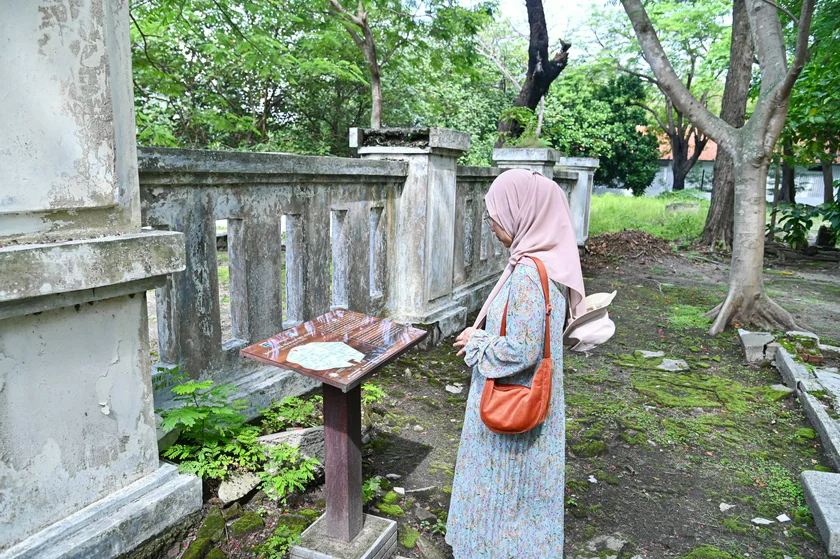
Walking past the tomb of Dutch settler Maria van de Velde, who died in 1721 while waiting for a lover who never returned, it was clear that Onrust is a place of ghosts. It serves as a reminder that present-day Indonesia is itself facing a reckoning with the past.
A combination of rising seas and groundwater extraction, rooted in infrastructure laid down by the Dutch, has left the city sinking. With parts of the capital predicted to be underwater by 2040, the government is already preparing to move the seat of power to Borneo.
Yet, Jakartans don’t simply romanticize or demonize the past; they reinterpret it.
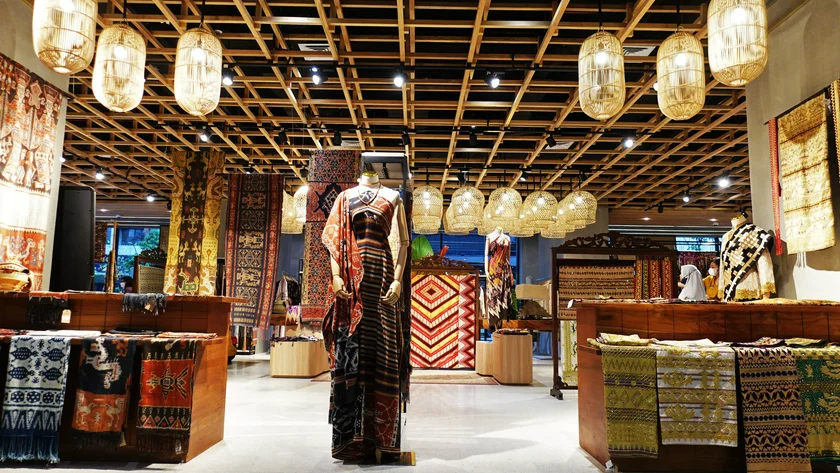
Back in the capital, we explore Sarinah, a mid-century department store. Once famed for having the city’s first escalators, it now serves as a showcase for local crafts, modern design, and restaurants featuring heritage cuisine.
Our group shared platters of grilled fish marinated in Balinese spice paste, crispy deep-fried prawns, gado-gado salad smothered in peanut sauce, and satay, all served megibung-style, meant to be eaten communally.
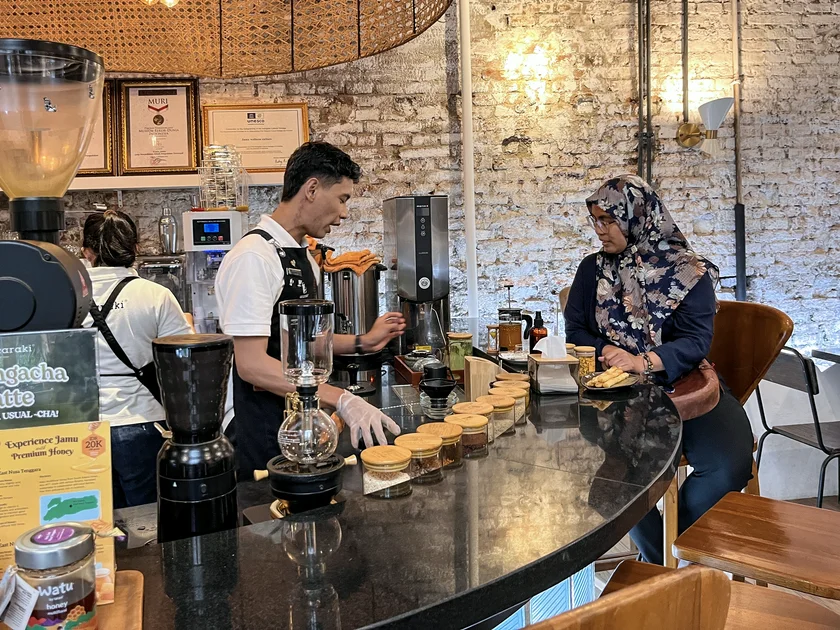
Nearby, in the heart of Kota Tua, the Acaraki Café bridges the gap between eras. Here, the ancient jamu herbal tradition meets modern coffee culture, with roots and spices brewed through French presses. It's a stone's throw to Café Batavia, a stalwart serving Dutch-era gin cocktails and Rijsttafel (an array of side dishes served with rice) amidst a gallery of vintage photographs of celebrity visitors.
On the islands, time felt suspended in a sun-dappled fantasy. In Jakarta, a city literally sinking into its own history, the mosques and monuments, skyscrapers and settlements reinforced the dizzying scope of life. Between the two, I knew I’d barely scratched the surface.
I visited Jakarta, the Thousand Islands, and Labuan Bajo as part of a press trip for international journalists. Although my travel was hosted, the experiences and observations shared here are my own.