


 Reading time: 2 minutes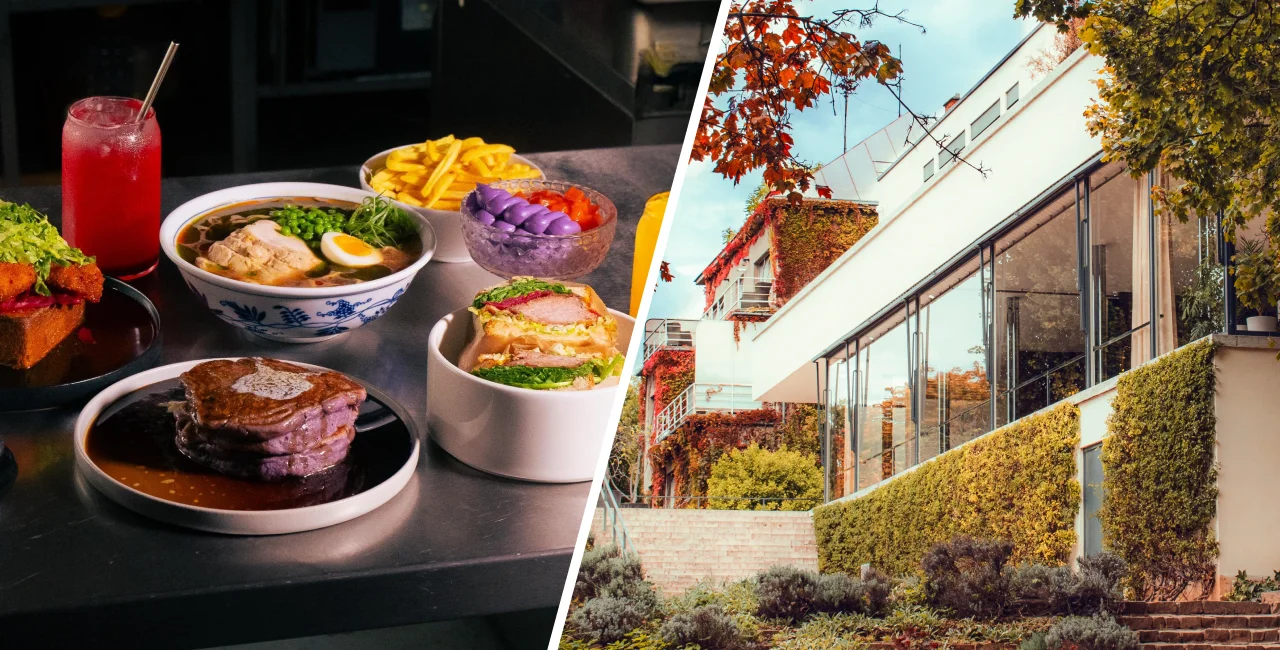

 Summary for: Why Brno is suddenly one of Europe’s must-visit cities in 2026
Brno has been named one of Europe’s ten most attractive destinations for 2026 by Austrian travel and lifestyle outlet 1000thingsmagazine.com, placing fifth on its annual list.
For travelers, the new ranking puts Czechia’s second-largest city firmly on the European map, especially among visitors from Austria, Germany, and Switzerland, markets where Brno is already gaining popularity as a shorter, less crowded alternative to Prague.
For those living in Czechia who haven’t yet visited the country’s second-largest city, a “mecca of architecture and gastronomy” according to 1000things, there's no longer any reason to wait.
A city break with food, history, and nightlife
The magazine praised Brno for offering a strong year-round appeal, pointing to landmarks such as Villa Tugendhat, Špilberk Castle, the city’s underground spaces, and historic water reservoirs.
Food was another major draw. Several Brno restaurants were featured in the first-ever Michelin Guide Czechia, earning recommendations and Bib Gourmand mentions. While no Michelin stars were awarded in the city this year, the listings reinforce Brno’s reputation as one of the country’s most interesting food destinations.
The guide names checks Bango, Severka, and Flek among its favorite locations to dine and Vitamin Community Center and the Brno Water Tanks (Žlutý kopec) among its "winter highlights."
More visitors, longer stays
Brno’s growing profile is already reflected in the increasing number of visitors. More than one million travellers visited the city last year, staying a total of 1.7 million nights. Nearly half were international guests, according to Czech Tourism. So far this year, visitors have stayed an average of almost three days, longer than a typical one-night stopover.

That extended stay is helped by Brno’s compact size and walkable center, making it easy to combine “countless espresso bars, charming wine bars, and Moravian cuisine in traditional taverns” with architecture and cultural venues for a short but satisfying city break.
Brno also works as a gateway to South Moravia, one of Czechia’s most diverse regions for tourism. Within easy reach are wine villages, cycling routes, UNESCO-listed sites, and the caves of the Moravian Karst. The region welcomed over two million visitors last year, including an increasing number from abroad.

Brno is just over 2–3 hours by train from Prague, around 1 hour from Vienna, and roughly 6–9 hours from Munich or Bratislava, making it easily accessible to visitors from various parts of Central Europe.