 Reading time: 2 minutes

 Summary for: Temelín to load US nuclear fuel as Czechia diversifies from Russian supplier
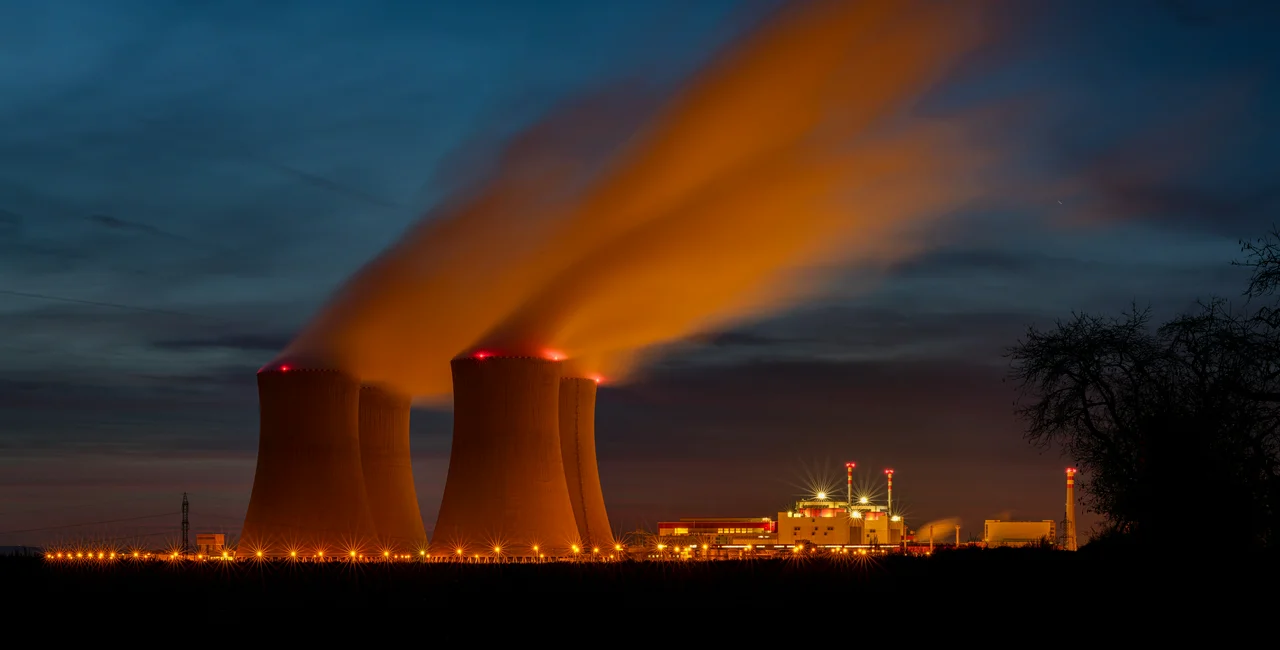
Czechia’s Temelín nuclear power plant will load its first batch of Westinghouse fuel during an ongoing reactor shutdown, marking a major step toward reducing its reliance on Russian supplies.
The American company’s fuel assemblies will replace 66 of the 163 assemblies in Temelín’s first reactor. The plant currently uses fuel from Russia’s TVEL.
PARTNER ARTICLE

The change coincides with the first unit’s transition to an 18-month operating and refueling cycle. ČEZ says longer intervals between shutdowns will increase electricity production and deliver benefits worth billions of crowns across its nuclear operations.
More suppliers, less dependence
The Czech nuclear safety regulator, SÚJB, approved the new fuel in August following eight years of analysis and testing. That process included testing trial assemblies inside a Temelín reactor between 2019 and 2022.
The first Westinghouse assemblies for the current transition arrived last year from the company’s manufacturing plant in Västerås, Sweden. They subsequently underwent inspections and tests.

ČEZ launched its tender for new Temelín fuel suppliers in 2018 and signed contracts with both Westinghouse and France’s Framatome.
Framatome’s fuel has not yet received Czech regulatory certification. However, ČEZ CEO Daniel Beneš said the company ultimately intends to use assemblies from both suppliers concurrently.
“We hold strategic fuel reserves for all our units and began working well in advance to ensure we would not depend on a single supplier,” Beneš told reporters.
Czechia’s other nuclear power plant, Dukovany, is also preparing to introduce Westinghouse fuel. Its first assemblies have arrived, but their use remains subject to completion of testing and licensing.
Finance Minister Alena Schillerová described the diversification as a measure to strengthen Czech energy security as the country prepares to build new reactors and extend the lives of existing plants.

Longer cycles mean more electricity
Temelín’s second reactor already operates on the extended schedule. The first is expected to follow when its current shutdown ends in late November.
The 18-month cycle consists of approximately 16 months of operation followed by a two-month shutdown. Dukovany has used a 16-month cycle since 2024, comprising about 15 months of operation and one month offline.

According to ČEZ nuclear division director Bohdan Zronek, fewer shutdowns reduce stress on equipment while increasing average electricity production.
Beneš said the longer cycles would help raise combined output from ČEZ’s nuclear plants from around 30 terawatt-hours to nearly 33 terawatt-hours, generating additional value in the billions of crowns.
Temelín is also preparing to replace transformers supplying electricity for the plant’s own operations. The equipment, currently being manufactured, will be installed over the next two years in an investment worth hundreds of millions of crowns.
The work forms part of preparations for potentially operating Temelín’s reactors for 80 years, through 2080 and 2082.