 Reading time: 2 minutes

 Summary for: Czech TV and radio strike begins: Live news cut as archive programs take over
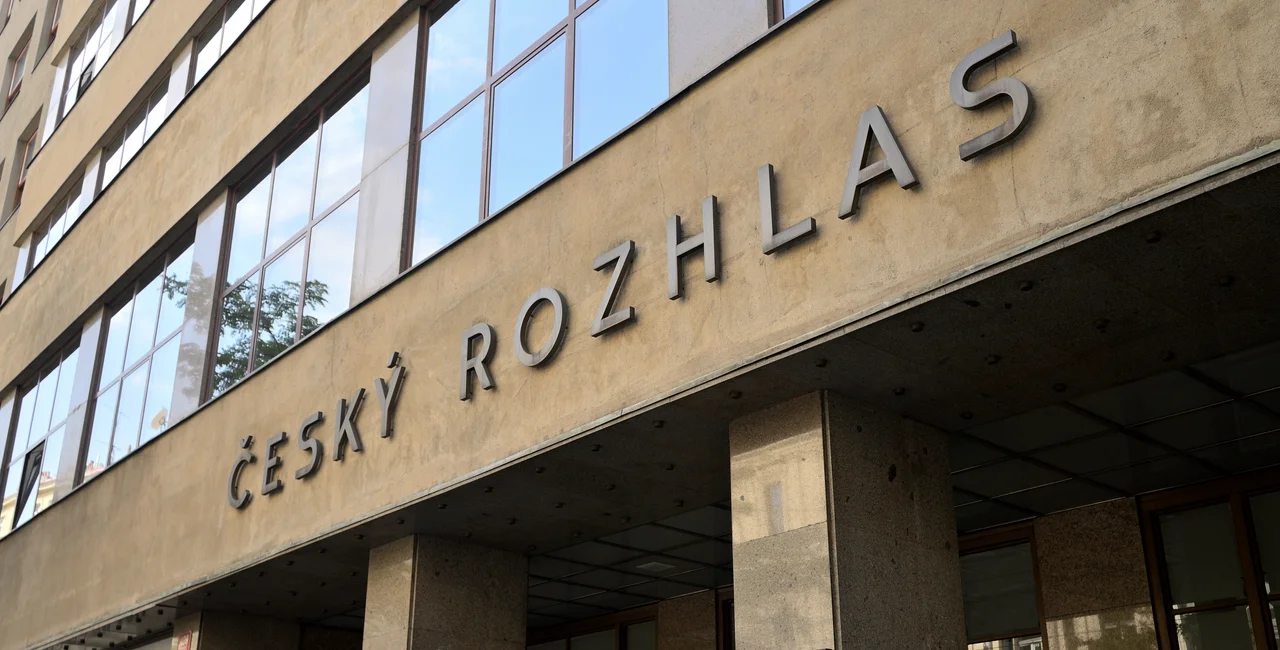
Czech Television and Czech Radio employees began a daylong strike after midnight Tuesday, Nov. 3, sharply reducing live broadcasts and news coverage in protest against proposed changes to public media funding.
On ČT24, presenters dressed in black read brief bulletins from paper in front of a darkened newsroom. Each hourly bulletin begins with a statement explaining the strike, followed by programming from the television archive.
Radiožurnál has replaced much of its usual schedule with music and repeats. Basic news and traffic information remain available, while both broadcasters say their children’s services will continue as normal.
What changes on television and online?
ČT24 is broadcasting short news bulletins every hour, with current headlines also appearing in its lower information ticker. A separate banner continuously informs viewers about the strike.
Presenters say most employees have joined the action and that the station remains ready to provide essential coverage if a major event occurs.
On ČT1, canceled programs include Studio 6, Sama doma, Černé ovce and regional news broadcasts. The main evening news program Události and sports bulletin Branky, body, vteřiny will be replaced by short news updates. Weather and other sports coverage are also reduced.
ČT2 will not air Dobré ráno or its Czech Sign Language news program. Cultural news on ČT art will be replaced by short ČT24 bulletins, while ČT sport will show recorded events and archive material.

Children’s channel ČT :D retains its normal schedule.
The ČT24 and ČT art websites, iVysílání offering and Czech Television’s social media accounts will not be updated during the strike. The ČT24 and iRozhlas.cz homepages switched to simplified layouts carrying strike notices after midnight.
Radio keeps essential news and traffic updates
Radiožurnál is retaining five-minute news bulletins and Zelená vlna traffic updates at half-hour intervals.
Radiožurnál Sport will not carry live sports commentary. ČRo Plus has suspended its usual live news and current-affairs programs, while live blocks on Dvojka, Vltava and Radio Wave are being replaced by music.
Dvojka will retain news bulletins. Children’s station Rádio Junior will keep its regular programming.

All regional Czech Radio stations are affected, with most carrying a shared program produced in Prague’s Karlín studios. Listeners can find information about changes through broadcasts, Czech Radio websites and the můjRozhlas app.
The employee initiative Veřejnoprávně called the strike with union support over legislation that would abolish compulsory television and radio fees and replace them with state-budget funding at a lower level.
Czech Television and Czech Radio employees are holding a daylong strike over proposed changes to public media funding. How often do you watch or listen to Czech public broadcasters?
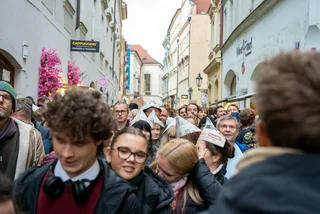
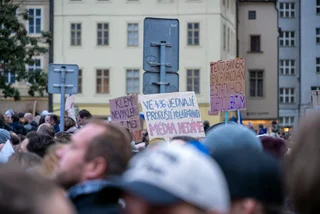
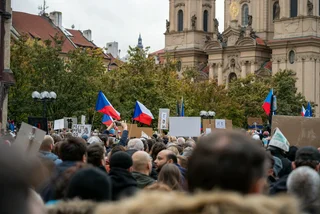
Organizers argue that the proposal threatens editorial and financial independence, long-term stability and the broadcasters’ ability to deliver public services. Supporters have also organized rallies in several cities.
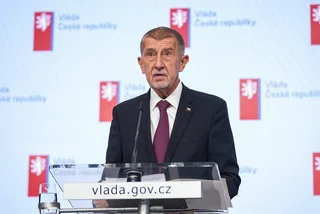
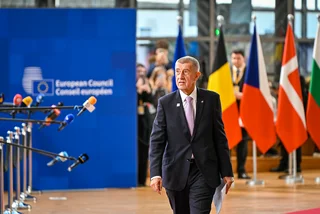
Prime Minister Andrej Babiš rejects those arguments, saying he does not intend to restrict media independence. He maintains that abolishing the fees fulfills an election promise and says the future funding model will be debated in parliament.