 Reading time: 2 minutes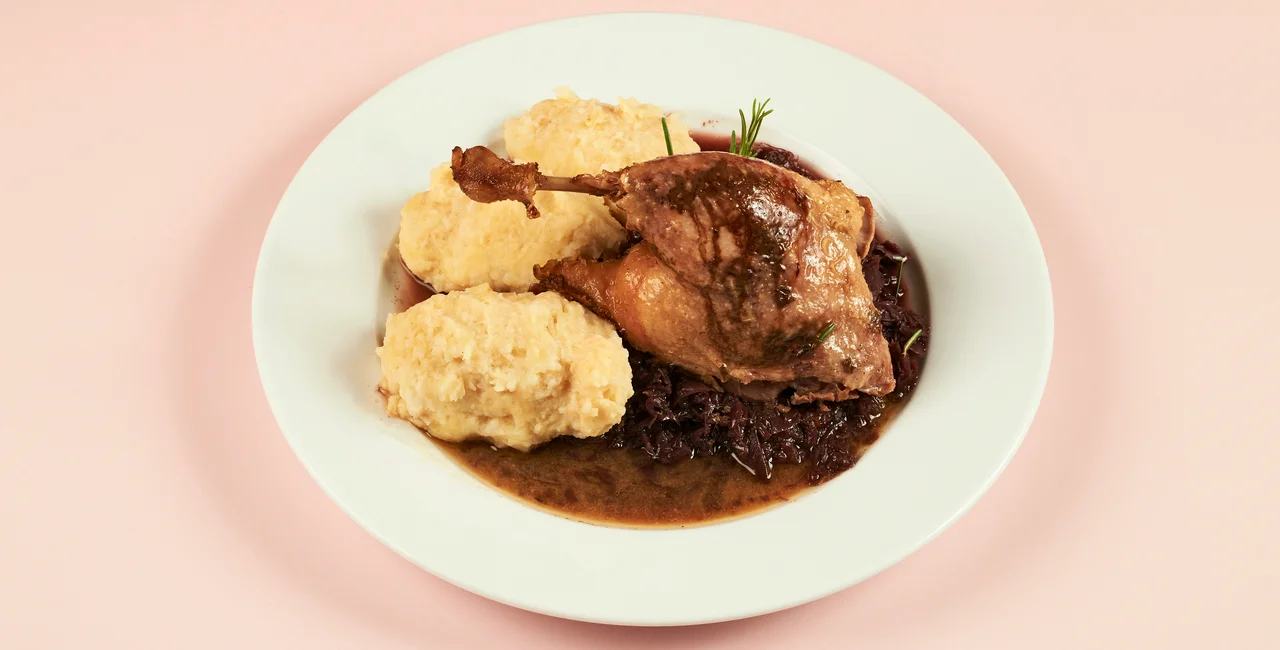

 Summary for: St. Martin’s Day: Why Czech diners flock for roast goose each November
St. Martin’s Day, celebrated on Nov. 11, is traditionally marked in Czechia with roast goose, cabbage, and dumplings. This year, cafes and restaurants serving international cuisine are joining classic Czech establishments in offering St. Martin-themed menus.
According to Luboš Kastner, chairman of the gastronomy section of the Czech Chamber of Commerce, St. Martin’s Day is a major boost for restaurants.
“People book places long in advance, records are broken, and sales jump between 30 and 50 percent during this holiday, which does not happen at any other time,” he said.
Classic goose remains most popular
Despite some restaurants experimenting with alternatives like duck or chicken, diners remain loyal to the traditional St. Martin’s menu. At Café Savoy, roast goose with cabbage and dumplings continues to be the top choice, while the Lokál chain serves the classic combination of goose with dumplings and lokši, a dish manager Adam Utíkal describes as “typically Czech.”
At the same time, international establishments, including Italian restaurants, are adding a creative twist to their classic offerings. For example, Pasta Fresca will serve a roasted goose leg in the Italian spirit from Tuesday, Nov. 11, available while supplies last. V Zátiší is serving goose kaldoun with smoked egg yolk and pasta, or roasted goose paired with potato gnocchi and black currant.
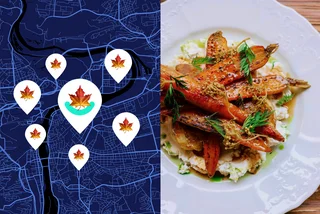
Meanwhile, Mlýnec combines the traditional confit goose leg with innovative appetizers, including pâté in dough, giving diners a modern take on the holiday feast.
Prices for a traditional St. Martin’s meal vary depending on the restaurant. At Lokál, a portion of roast goose with cabbage and dumplings costs CZK 578, up from CZK 548 last year. At Čestr, a confit goose leg with red cabbage and potato dumplings is priced at CZK 890.

Luboš Kastner notes that diners often adjust to the higher prices by skipping starters or soups and focusing on the main course. Traditional restaurants are expected to be fully booked on Nov. 11.
The story behind the celebration
How St. Martin’s Day became associated with roasted goose and new wine is partly a mystery. Festivals often begin with an actor portraying Saint Martin on a white horse a nod to the fourth-century Roman soldier who converted to Christianity.
According to legend, Martin once shared his cloak with a beggar, an act witnessed in a dream by Jesus, and later became bishop of Tours after geese revealed his hiding place.

His feast day on Nov. 11 coincides with the traditional start of winter in Central Europe. Folk sayings link the day to predicting winter weather: if St. Martin rides under clouds, a mild winter is expected; if clear, a harsh winter; if shrouded in fog, an unstable season.
The association with wine comes from later traditions. Early festivals featured new wine and fowl that had fattened from the harvest. The label Svatomartinské víno (“St. Martin’s Wine”) was registered in 1995, and since 2005, the release of this young wine has become a major event across Czechia, often rivaling France’s Beaujolais Nouveau.