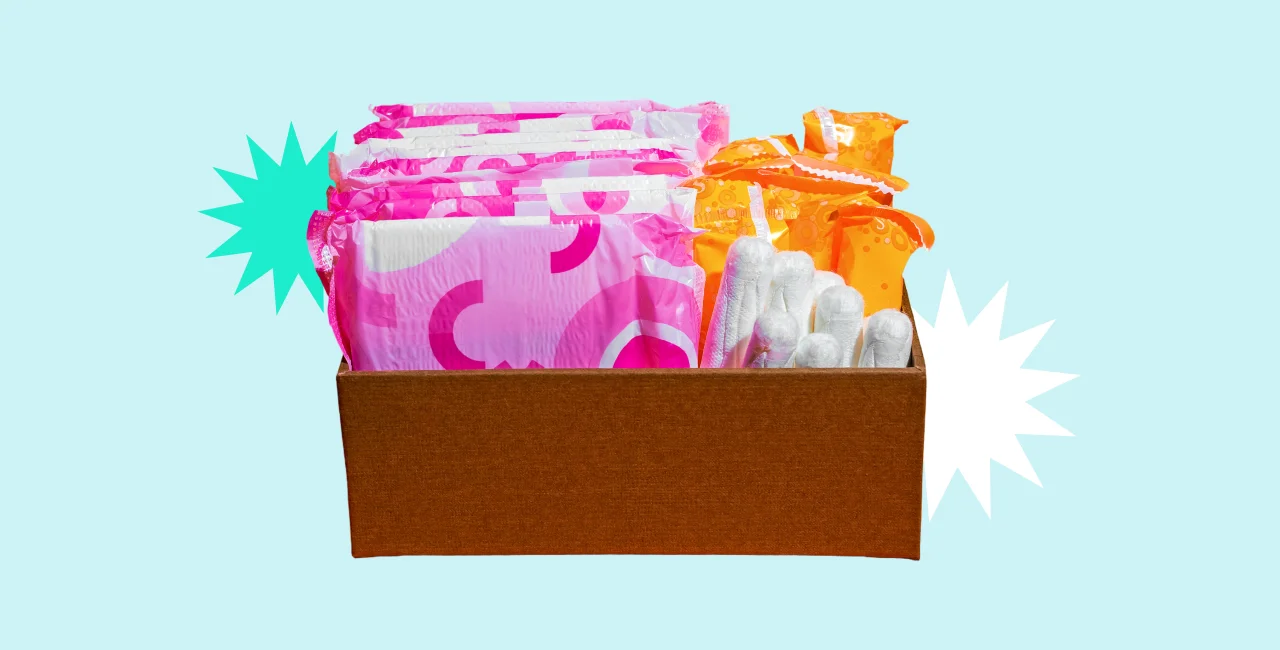
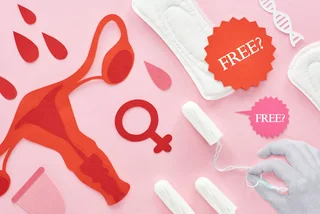
The City of Prague announced a groundbreaking initiative yesterday: starting January 2026, all public educational institutions in the capital will be required to provide free menstrual supplies for both students and teachers.
This new mandate, driven by an amendment to the Ministry of Health decree, directly confronts the long-overlooked lack of basic hygiene supplies that can cause discomfort and embarrassment among teenage girls or pose economic strain to their families.
“Ignoring and trivializing basic women’s needs does not belong in a modern society,” Jiří Brůžek, Chairman of the Education Committee of the Prague City Council, said in a press release on Wednesday.
But for advocates, the move is less about cost and convenience and more about equal access to education. Studies confirm that making period products publicly available increases student attendance by reducing the need for girls to miss school due to unexpected periods or the shame of period poverty.
Global menstrual equity on the rise
Prague joins a global push for menstrual equity. Scotland set a high standard, becoming the first country to legally require local authorities to provide free menstrual products in all public places, including schools and universities.
Spain became the first European country to mandate paid menstrual leave in 2023, offering up to five days a month for incapacitating period pain. Ireland, Malta, and Cyprus have adopted a zero VAT rate.
On the domestic front, the capital’s decision follows successful regional efforts, with Ostrava leading the way by providing free supplies in all its primary schools since 2024.
Czech advocacy group Sola Pomáhá says teachers there reported a decrease in female student absences and an improvement in well-being. This low-cost, successful model is now being adopted by other cities like Brno and Frýdek-Místek.
According to People in Need, the cost of providing period supplies to students is CZK 10,000 a year. Starting in 2026, the Prague program will be funded by the schools' own budgets, with estimated costs averaging a modest CZK 2,000 per month per school.
More work needed
Despite the municipal victories, advocacy groups warn that the fight for universal access and against the stigma of period poverty is far from over.
Sola Pomáhá estimated that with 89,000 girls nationally experiencing period poverty, there is more work to do. While Prague’s action had broad cross-political support, access often depends on local political will. Regions, which fund secondary schools, have largely neglected the issue.
Some municipal councils, such as in Ústí nad Labem, have refused to approve similar programs.
The movement for free products has also highlighted the need for fiscal reform. While the opposition ANO movement in 2020 had a proposal from then-Minister of Finance Alena Schillerová to reduce the VAT on menstrual aids, this was ultimately not implemented, reports Heroine.cz.
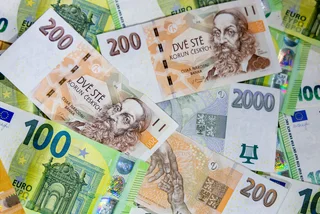
Czechia’s current high VAT rate on these essential goods (the so-called tampon tax) contrasts sharply with other European countries. According to Statista, the rate is 21 percent (compared to Hungary’s 27 percent, the highest in the EU).