European and international journalism organizations have backed employees of Czech Television and Czech Radio ahead of Tuesday’s strike against the government’s proposed overhaul of public media funding.
The European Federation of Journalists (EFJ) and International Federation of Journalists (IFJ) issued a joint statement Monday, joined by more than 30 international and national journalism unions and organizations. Signatories include Reporters Without Borders and the European Broadcasting Union.
The Czech Union of Journalists also expressed full solidarity with workers preparing to strike Nov. 3, arguing that the proposed changes threaten the broadcasters’ editorial independence and financial stability.
Funding proposal draws international concern
In their joint statement, the organizations criticized legislation that would abolish compulsory television and radio fees and replace them with direct state-budget funding.
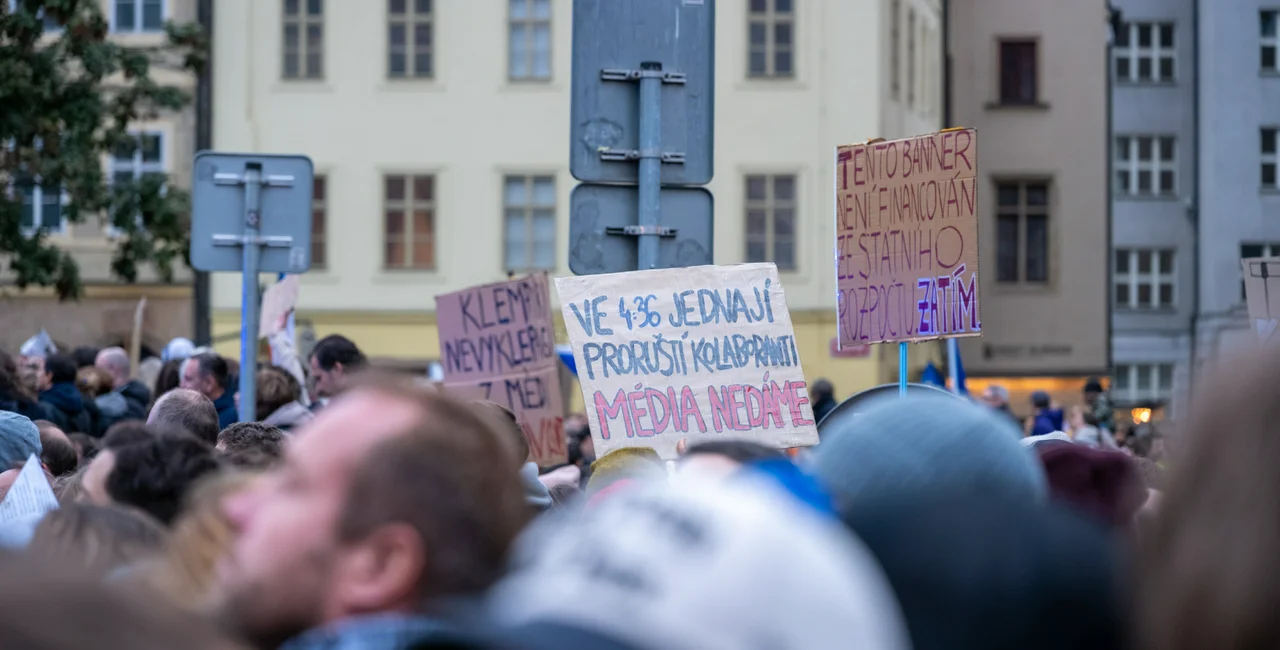
The ANO, SPD and Motorists coalition advanced the bill through its first reading at 4:36 a.m. Oct. 24, following an unexpectedly scheduled and contentious parliamentary debate.
The signatories said the proposed funding model, combined with an approximately 15 percent reduction in funding, would create opportunities for political pressure. They pointed to the European Media Freedom Act’s requirements for adequate, sustainable and predictable financing of public service media.
Their warning focused on the cumulative effects of financial and legislative decisions. Editorial independence can be weakened through funding pressure and uncertainty even without explicit censorship or direct political instructions, they argued.
The organizations pledged to stand alongside striking employees and support their right to organize, protest and defend professional independence.
The early-morning vote has also become a symbol of international solidarity. Czech Union of Journalists deputy chair Magdalena Sodomková said journalists abroad were sharing photographs featuring clocks displaying 4:36.
Strike follows protests and a possible government rethink
The employee initiative Veřejnoprávně called Tuesday’s strike in response to the accelerated parliamentary proceedings. A previous warning strike took place June 22.
Under the bill, the two broadcasters would receive approximately CZK 1.4 billion less than their expected combined license-fee income this year. Czech Television director general Hynek Chudárek has warned that reduced funding would require cuts to public services.
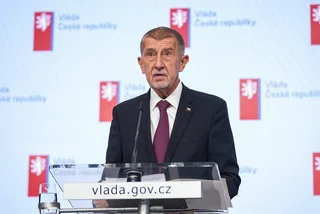
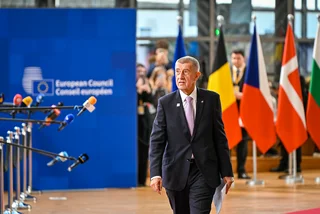
The government rejects claims that its plans would undermine independence. Prime Minister Andrej Babiš has argued that legally guaranteed funding would provide greater certainty.
On Saturday, however, Babiš outlined a possible revised arrangement involving voluntary fees and guaranteed financing that would not come directly from the state budget. He did not explain how that mechanism would operate.
He also said the changes would not take effect in January 2027 and promised unrestricted discussion when the bill reaches its second reading in January.
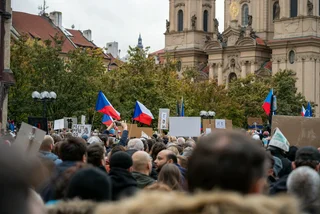
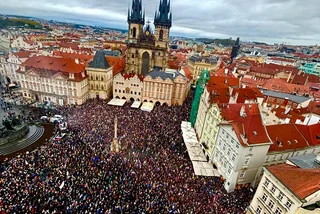
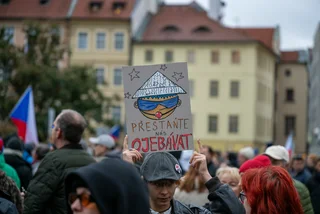
Tuesday’s action comes amid wider student protests and demonstrations over the proposal. The legislation remains under parliamentary consideration; compulsory television and radio fees have not been abolished.