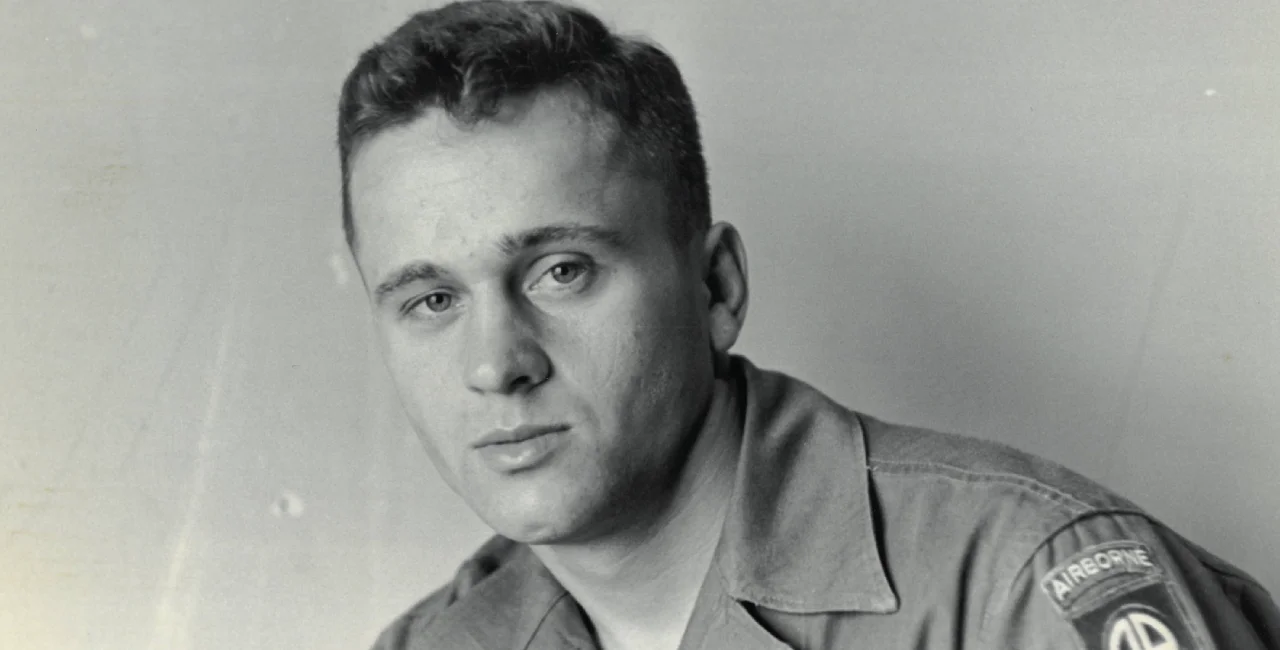
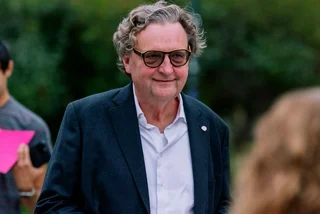
Josef Mašín, a participant in armed resistance against Czechoslovakia’s communist regime whose actions remain among the most divisive episodes in modern Czech history, has died at 94 in Santa Barbara, California.
Memory of Nations announced his death Monday, citing a source close to the family. Mašín was the last surviving member of the trio who successfully fought their way to the West in 1953.
PARTNER ARTICLE
He was also the son of Gen. Josef Mašín, a member of the domestic resistance against Nazi occupation during World War II. The younger Mašín’s opposition to the subsequent communist dictatorship brought him both admiration and enduring criticism over the deaths associated with his group’s activities.
A dramatic escape to the West
The group formed around Josef Mašín and his brother Ctirad challenged the communist regime in the early 1950s.
In 1953, its members crossed from Czechoslovakia into East Germany. Their attempt to reach the West involved a series of armed confrontations in which several police officers were killed.
The Mašín brothers and fellow group member Milan Paumer ultimately escaped to the West. Other people connected with the group were captured and faced severe punishment in Czechoslovakia, including death sentences and lengthy imprisonment.
“He was the last of the three who fought their way to the West,” Memory of Nations said in its announcement.
Ctirad Mašín died in Cleveland in 2011. Paumer died in Prague in 2010. Josef Mašín’s death closes the surviving trio’s personal chapter in a story that continues to shape Czech debates about resistance, violence and moral responsibility under dictatorship.
A legacy that still divides
Supporters regard the Mašíns as resistance fighters who took up arms against a repressive regime. Calls for them to receive state decorations have repeatedly brought their story back into public debate.
Critics focus on the people killed during the group’s activities and reject the argument that opposition to communism justified its methods. Some describe the brothers as murderers.
The dispute extends beyond their escape itself, raising questions about which forms of resistance can be justified and how a democratic society should commemorate those who fought a dictatorship.
Memory of Nations plans to remember Josef Mašín and others who opposed oppression at a concert Nov. 10 in Prague’s Basilica of St. Peter and St. Paul at Vyšehrad.
“The music will belong to those who risked their own lives in the struggle for freedom,” the organization said.