Some Czech businesses plan to raise prices, reduce employee benefits or curb recruitment when the minimum wage increases in January, according to a new ČSOB survey.
More than four in 10 respondents intend to adjust their operations in response. Just over 11 percent plan to charge more for goods or services, while 9 percent will seek savings elsewhere.
However, 56 percent are planning no changes. The findings, based on responses from 347 employers, suggest the increase will affect businesses unevenly, with companies employing people near the wage floor facing greater pressure.
Minimum wage rises by CZK 2,500 in January
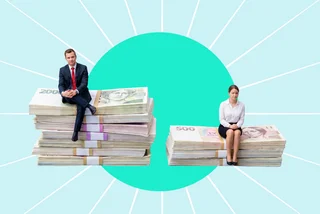
The government has approved an increase in the monthly minimum wage to CZK 24,900 gross from January 2027, up CZK 2,500. The new level will represent 44.6 percent of the average wage.
Employers surveyed were divided over the decision: 30 percent supported it, approximately one-third opposed it and 35 percent were neutral.
“I think people deserve more money,” said David Gorec, owner of Zlín-based D+D partners, welcoming the increase.
Other employers described difficulties absorbing the additional expense. Tomáš Rudolf, owner of cleaning company Úklidovka Aš, said his business operated close to the minimum wage and had experienced substantial increases in that cost over three years.
“We cannot raise prices for customers as much as we would need to, because we would become uncompetitive,” he said.
Overall, 27 percent of respondents expected a negative effect on their finances. Some 68 percent anticipated no impact or only a negligible one.
A minority plan staffing or benefit cuts
Beyond price increases and other savings, 8 percent of respondents said they would accept lower profits. Another 5 percent planned to reduce employee benefits.
Four percent intended to limit recruitment, while the same proportion planned layoffs. Those figures describe employers’ intentions, rather than job losses that have already occurred.
Taxomat director Jan Zahradník said businesses would need to balance higher wage bills against competitive prices, with some lacking room to pass the full increase on to customers.
Artesa commercial director Jan Kořínek noted that the effects could extend beyond employees receiving the minimum wage. Raising the lowest salaries can also create pressure to adjust pay for other workers.
That could be a particular challenge for smaller businesses, he said, adding that sustainable wage growth ultimately depends on productivity and the value companies generate.
For customers and employees, the survey points to different responses across workplaces: some businesses expect higher prices or fewer perks, while a majority currently see no need to alter their operations.