



 Reading time: 3 minutes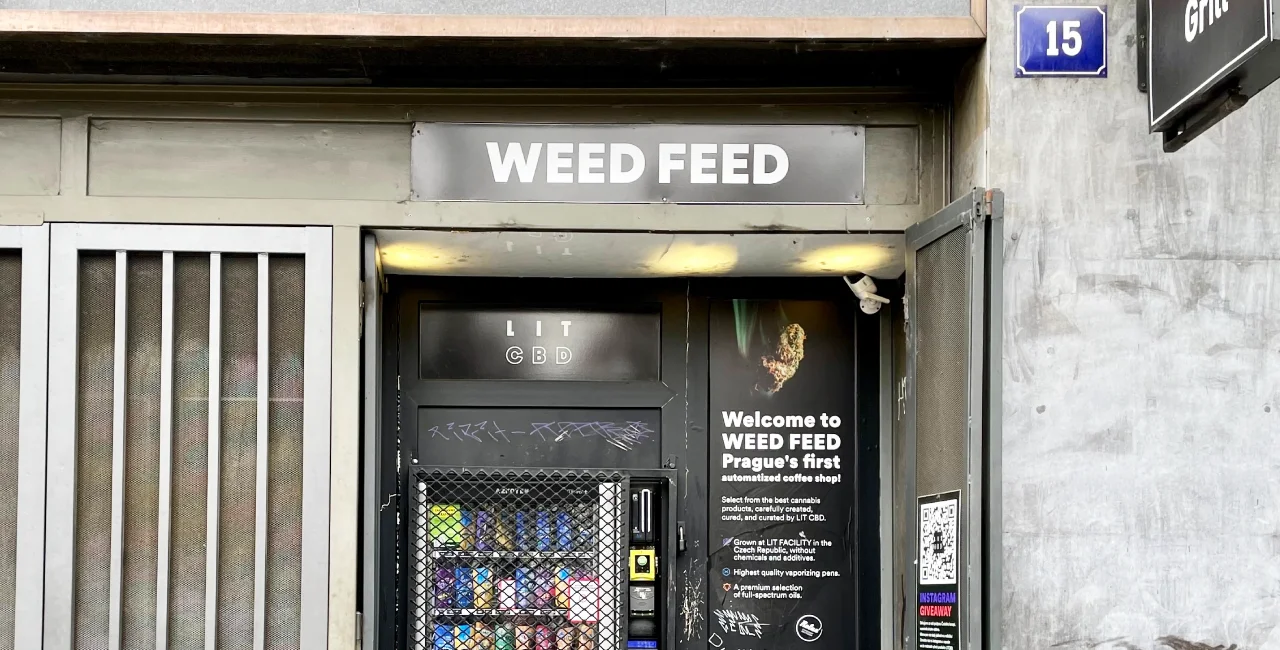

 Summary for: Czechia targets synthetic 'fake weed' substances in wider drug ban move
Czech authorities are preparing a new wave of restrictions on synthetic drugs, including substances linked to so-called 'fake weed' products, which have been widely sold in vending machines and shops across Prague and other cities. The move is the latest government response to a rapidly shifting legal landscape for psychoactive substances.
The government will discuss a proposal on Monday that would add two opioids to the list of banned narcotics and place 17 additional substances under review, effectively preventing their legal sale and production in Czechia.
Officials say the goal is to stay ahead of an evolving synthetic drug market that is designed to circumvent existing laws. The changes come as Czechia continues to refine its three-tier system for classifying psychoactive substances, ranging from fully banned drugs to those under temporary review and potential future regulation.
Government moves to close synthetic loopholes
The proposal, prepared by the Ministry of Health, is expected to be reviewed by the cabinet on Monday. It would place 17 substances into the category of “under study,” meaning they could not be legally sold or manufactured in Czechia for up to two years while authorities assess their risks.
In addition, two opioids would be fully banned. One of them, methiodon, is an analogue of methadone and has been detected in several EU countries. According to the ministry, it has been linked to at least one death in Czechia in 2025.
A second substance, 5,6-Dichloro desmethylchlorphine, was originally developed for use in treating opioid dependence but is now considered risky due to its potential for accidental overdose. Officials say its therapeutic value is outweighed by safety concerns.
“The drug market not only in Czechia but across the EU is constantly being flooded with new synthetic drugs designed to avoid controlled chemical structures,” the Ministry of Health said in its justification for the proposal. “It is necessary to counter these trends.”

HHC and the rise of synthetic 'legal highs'
A significant portion of the newly reviewed substances are semisynthetic cannabinoids, many chemically similar to HHC (hexahydrocannabinol). HHC products have been widely marketed in Czechia in recent years, particularly in vape shops and vending machines targeting tourists and young adults.
Czech authorities previously banned HHC and related compounds in March, before later shifting parts of the group into the monitored category. Experts have warned that repeated bans on individual compounds often lead to rapid replacement with slightly modified versions that are harder to regulate.
The government’s advisory system for drug monitoring reviewed the latest proposal in April, drawing on police and customs data as well as reports of intoxications. It recommended placing the substances under stricter control.
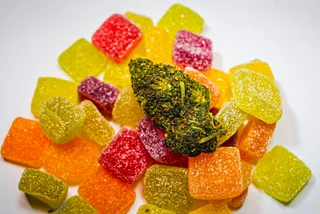
Officials argue many of the compounds have no established medical use and are designed specifically for recreational consumption while avoiding existing drug laws.
The issue has been highlighted in Prague’s tourism scene. Investigative YouTube channel Honest Guide recently warned visitors against purchasing HHC and cannabis-related “souvenirs” in the city, saying many products are heavily marked up, misleadingly advertised, and sometimes labelled only for “decorative purposes.”

The creators also noted that even where synthetic cannabinoids are present, they are unregulated and have been linked to serious adverse health effects, including emergency room visits.
A shifting policy landscape
Czech drug policy is also undergoing institutional changes. From July, responsibility for addiction policy will move from the Office of the Government to the Ministry of Health, a shift that officials say will improve coordination but critics warn could weaken cross-ministerial oversight.
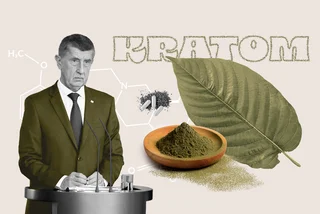
Prime Minister Andrej Babiš has indicated that a broader tightening of drug policy is underway, including stronger enforcement against synthetic substances and greater focus on prevention.
At the same time, experts caution that the rapid cycle of bans and substitutions in synthetic drug markets means new compounds often appear shortly after others are prohibited, raising questions about long-term effectiveness.