 Reading time: 2 minutes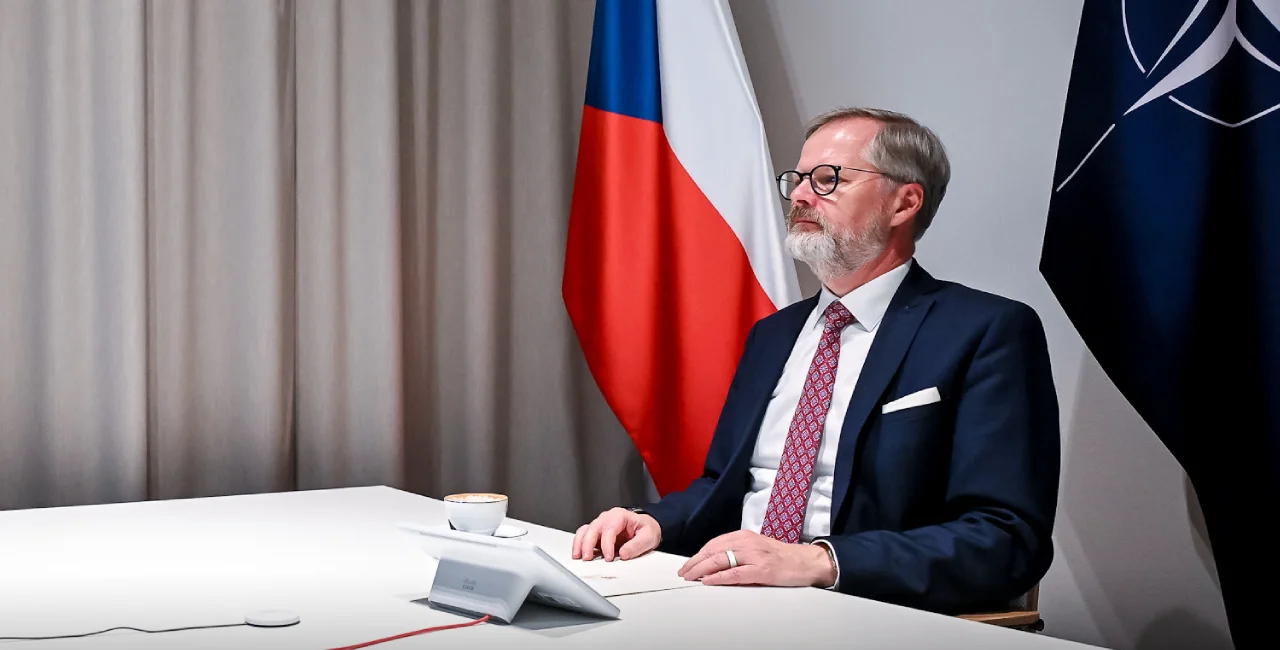

 Summary for: Czech PM backs Ukraine strikes on Russian infrastructure at London meeting
Czech Prime Minister Petr Fiala said Friday that Ukraine’s ability to strike Russian energy and military infrastructure should be supported, signaling strong backing from Prague for offensive measures in the ongoing war. His comments followed a meeting of the Coalition of the Willing in London, attended by Ukrainian President Volodymyr Zelenskyy and NATO Secretary General Mark Rutte.
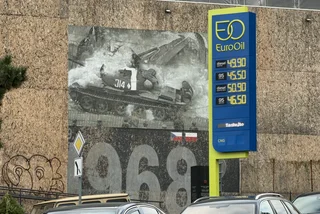
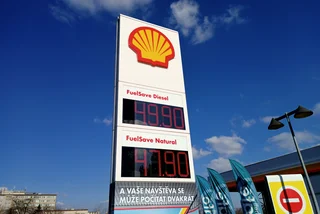
The coalition’s coordinated efforts aim to increase pressure on Moscow and limit its ability to fund military operations. Such international moves may affect energy prices, travel conditions, and economic stability across Europe, with potential ripple effects for residents managing daily costs, housing, and access to services.

International coordination intensifies
Fiala spoke via video link during the London meeting, emphasizing the need to prevent financing of the Russian war machine, particularly through the energy sector. “There is consensus among the participating states that a ceasefire along the line of contact should be reached as soon as possible,” he wrote on X, echoing the coalition’s shared objectives.
"At the same time, it is necessary to support Ukraine in strengthening its capability to strike at the Russian energy network and military-industrial complex deep within Russian territory."
NATO Secretary General Rutte said U.S. sanctions on Russian oil companies would significantly increase pressure on President Vladimir Putin. “These measures demonstrate a strong commitment to ending the war and establishing lasting peace in Ukraine,” he said. Zelenskyy added that pressure on Russia’s energy sector will limit Moscow’s options in sustaining military operations.
British Prime Minister Keir Starmer, who hosted the London talks, described Russian President Vladimir Putin as refusing opportunities to end the war, citing recent attacks on Ukrainian civilian targets. Starmer pledged continued support, including enhanced air defense systems and long-range munitions for Kyiv.
Potential impacts of latest strategy
The coalition’s strategy to curb Russian energy exports could influence European gas and electricity prices this winter, potentially affecting household budgets, transport costs, and business operations. Citizens may also experience tighter supply chains or increased costs for heating and fuel.

Danish Prime Minister Mette Frederiksen said frozen Russian assets could be used to support Ukraine, though technical obstacles remain. Meanwhile, Zelenskyy has highlighted Ukraine’s ongoing targeted strikes on Russian oil and gas infrastructure, stressing that Moscow aims to deepen civilian suffering during the coming winter.
The coalition plans to maintain pressure on Russia while seeking a diplomatic resolution. Fiala and other leaders stressed that coordinated sanctions, military aid, and strategic strikes are designed to accelerate a ceasefire. Observers say these measures could reshape the conflict’s trajectory and influence broader European security policies.

Residents are advised to follow official updates on energy supply and government guidance regarding winter preparedness. Analysts expect further announcements in the coming weeks as the coalition evaluates the effectiveness of sanctions and military support measures.