



 Reading time: 2 minutes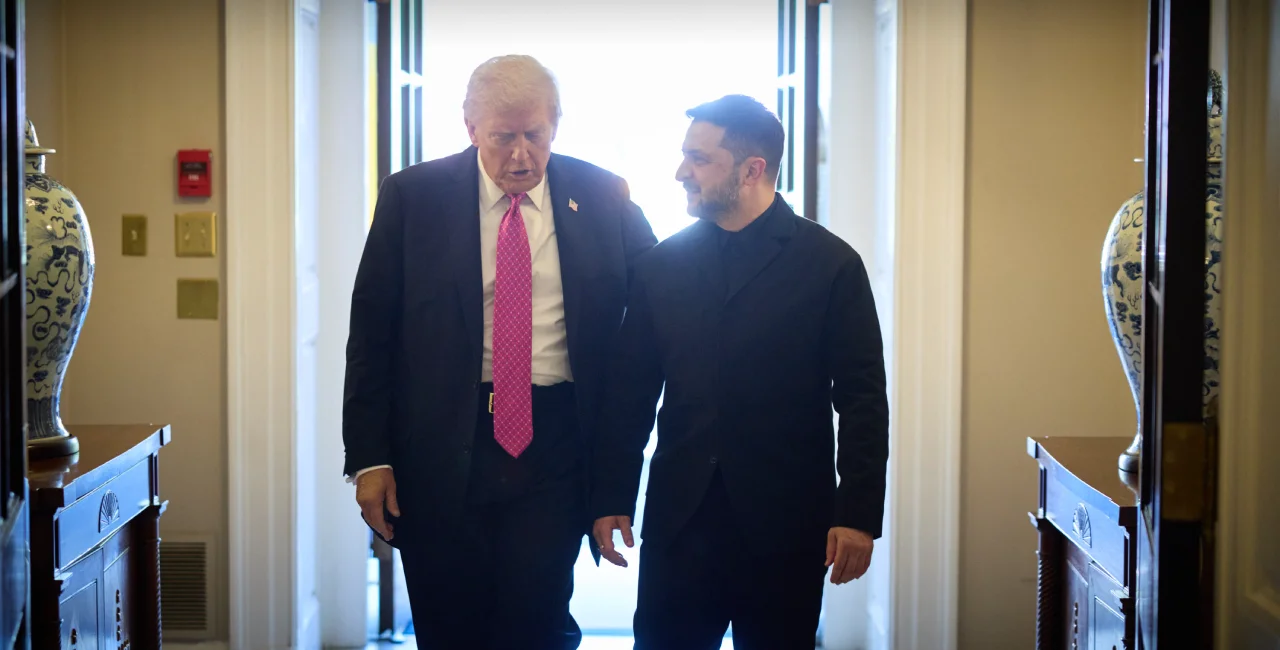

 Summary for: Czech officials welcome progress in Ukraine as Trump and Zelenskyy meet
U.S. President Donald Trump hosted Ukrainian President Volodymyr Zelenskyy at the White House on Friday, discussing potential steps to end the war in Ukraine. The meeting, which lasted roughly two and a half hours, focused on defense support, security guarantees, and strategies to pressure Russia to halt its aggression.
The meeting is closely watched in Europe, including Czechia, due to the country’s role in regional security, military support, and humanitarian aid for Ukrainian refugees. Decisions made in Washington could influence the future for those who fled the conflict, as well as energy and economic stability across the continent.
Czech officials note positive tone of latest Trump-Zelenskyy meeting
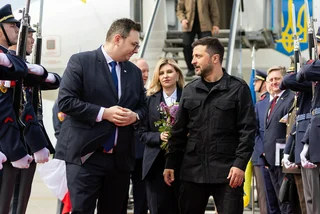
Czech Foreign Minister Jan Lipavský welcomed the “positive atmosphere” of the talks on social media, noting that while the meeting will not immediately end the war, it represents a step toward holding Russian President Vladimir Putin accountable.
"It is important to secure a ceasefire as soon as possible and negotiate strong security guarantees for Ukraine," Lipavský wrote on X, emphasizing the importance of ensuring Kyiv’s long-term safety.
I welcome the positive atmosphere of the talks between the US and Ukrainian presidents. Today's meeting at the White House will not bring peace, but it is another step towards Putin coming out of hiding. It is important to secure a ceasefire as soon as possible and negotiate…
— Jan Lipavský (@JanLipavsky) October 17, 2025
Trump told Zelenskyy he hopes the war can end without the United States supplying long-range Tomahawk missiles, which could escalate conflict with Russia. Zelenskyy praised Trump for mediating a ceasefire in Gaza and expressed optimism that international support can help bring the war to a close, though he acknowledged that Putin is unlikely to seek peace voluntarily.
Decisions on U.S. military aid and security guarantees could affect European defense policies, which in turn influence living costs, energy security, and public safety in Czech cities. Local authorities have already prepared contingency plans for refugee services, transport coordination, and health provision should conflict intensify or ceasefire negotiations shift the humanitarian landscape.
Czechia continues to provide military and humanitarian aid to Ukraine and has coordinated with European partners on refugee intake. Officials are monitoring developments in Washington to anticipate changes in international support, which could affect budget allocations and municipal services, including housing and healthcare resources.

Ongoing Russia-Ukraine developments
Since Russia’s invasion in February 2022, Kyiv has retained control of roughly 80 percent of its territory, while Moscow continues to occupy parts of eastern and southern Ukraine. European nations, including Czechia, have pushed for diplomatic and military solutions while balancing energy supply concerns and inflationary pressures at home.
Both leaders plan further talks, with Trump scheduled to meet Russian President Vladimir Putin in Budapest within the next two weeks. Observers will monitor any announcements on ceasefire agreements, long-range missile supplies, or new security guarantees, as these developments could have direct consequences for European stability, refugee support, and regional defense policies.
The White House meeting underscores the ongoing international effort to resolve the Ukraine war, highlighting how decisions made in Washington resonate across Europe and affect daily life, from housing and social services to energy and safety concerns. Czech officials remain engaged, signaling continued involvement in shaping outcomes on the ground.