Reading time: 2 minutes

 Summary for: Cold comfort: One in four Czechs struggle to stay warm at home
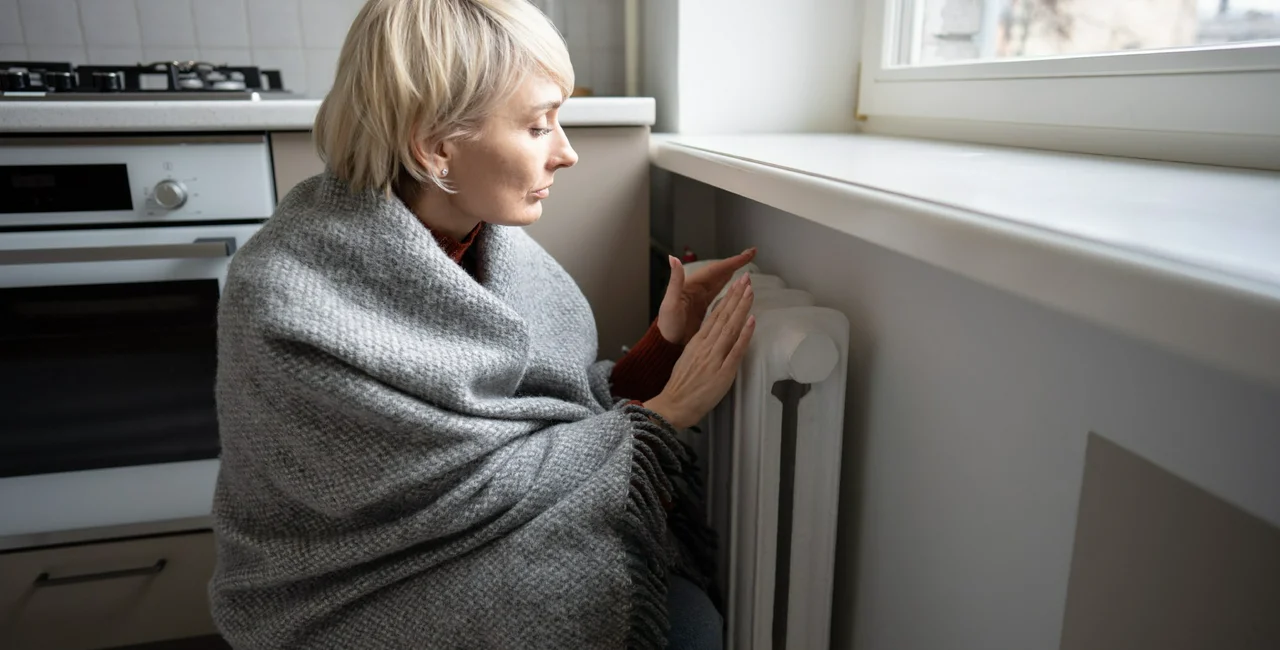
Nearly one in four Czechs say they do not feel comfortably warm in their own homes, as concerns over energy prices prompt households to rethink their heating habits ahead of winter.
According to a new survey commissioned by Czech energy supplier epet and conducted by Ipsos, 54 percent of respondents plan to reduce their energy consumption further this heating season, while 77 percent expect energy prices to rise because of geopolitical tensions.

The findings suggest that efforts to keep household bills under control are increasingly affecting everyday comfort, with the share of people reporting inadequate warmth at home nearly doubling compared with last year.
Czech households are turning down the heat
One-third of respondents said they were keeping their homes cooler than they would prefer because of concerns about energy costs.
Rather than increasing the thermostat, many are choosing to dress more warmly indoors. Almost half said they reach for an extra sweater or sweatshirt when feeling cold, with women more likely to adopt this approach and men more likely to turn up the heating.
Preferences for indoor temperatures are also shifting. While more than 23 percent of respondents preferred temperatures of 22°C or higher in 2024, that share has fallen below 18 percent this year.
The most popular indoor temperature remains between 20°C and 22°C, preferred by 56 percent of respondents, while roughly a quarter favour temperatures between 18°C and 20°C.


Energy prices remain a major concern
Uncertainty about energy costs is driving much of the change in household behaviour.
More than three-quarters of respondents expect geopolitical tensions to push electricity and gas prices higher, with almost one in four anticipating a significant increase.
Four in ten also expressed concern that Czech gas reserves are insufficient compared with previous years.
These figures reflect public expectations rather than confirmed future price increases or an independent assessment of gas storage levels.
Unpredictable winter weather is adding to the uncertainty. More than half of respondents believe winters are becoming less stable, with mild periods interrupted by sudden cold spells that make heating consumption harder to predict.
Although three-quarters of respondents check their energy consumption at least occasionally, only around one-third monitor it regularly.

How can households reduce heating costs?
The survey's sponsor, epet, argues that households should review their electricity and gas contracts before sacrificing more comfort to reduce their bills.
Roman Šmíd, the company's sales director, said checking whether a household is paying a competitive rate could help reduce costs without lowering indoor temperatures further.
For residents in Czechia, particularly those unfamiliar with the local energy market, comparing supplier offers and reviewing contract conditions can be a useful starting point.
Households can use the Energy Regulatory Office's official comparison tool to compare electricity and gas offers. Before switching providers, consumers should also check their contract duration, fixed-price terms, and any early termination penalties.
The findings are based on an Ipsos Instant Research survey conducted between October 5 and 8, 2026, among 1,044 respondents aged 18 to 65 across Czechia.

The research was commissioned by epet, a commercial energy supplier, and distributed through the PROTEXT press-release service.