 Reading time: 2 minutes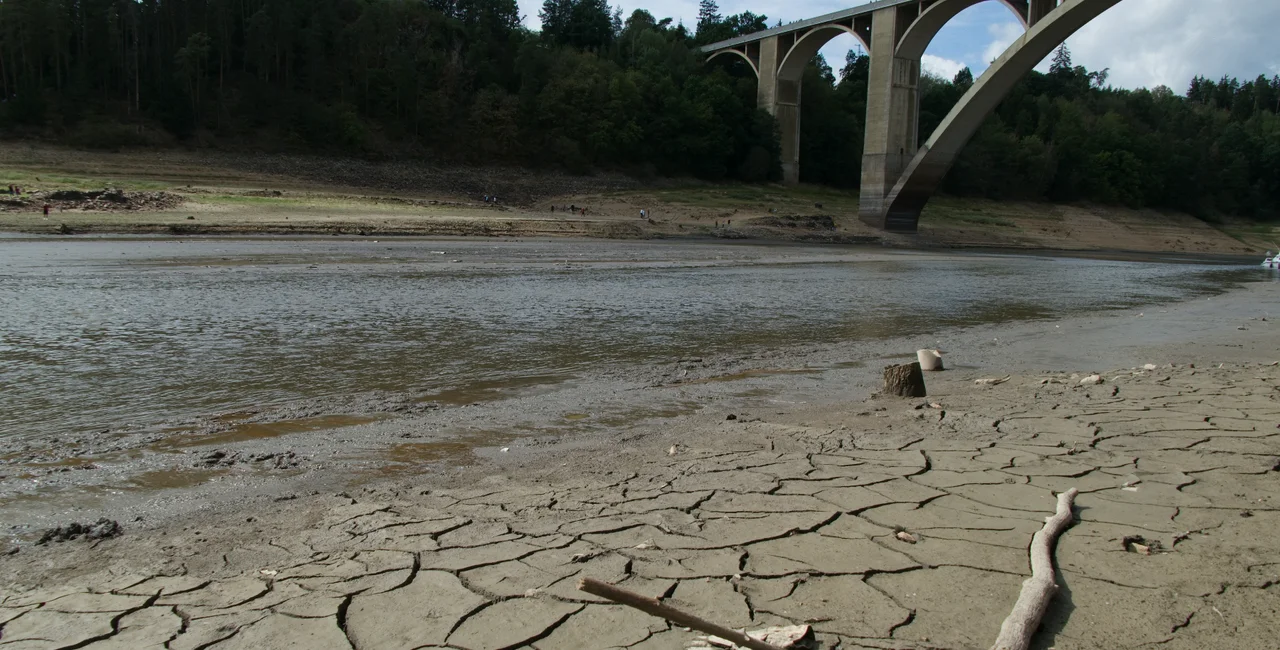

 Summary for: Czech drought could cost economy up to CZK 50 billion, insurers estimate
This year’s drought could cause wider economic losses of up to CZK 50 billion in Czechia, according to an analysis by the Czech Insurance Association, ČAP.
The estimate includes agricultural and forestry damage, water shortages, disruption to supply chains, reduced investment and productivity, and environmental harm. It is a projection of the broader economic impact rather than a confirmed tally of damage or insurance claims.
The warning comes as preliminary Czech Hydrometeorological Institute figures show January through September was the third-driest such period since 1961. Only 2003 and 2015 recorded less rainfall over those nine months.
The costs extend beyond lost harvests
The association’s analysis draws on the drought of 2018, when the Agriculture Ministry estimated direct damage at approximately CZK 24 billion.
That figure mainly reflected lost production and damage in agriculture and forestry. ČAP argues that it did not capture the full consequences for related industries, investment or the long-term condition of soil, water resources and ecosystems.
Including those effects, the association estimates that the wider costs of the 2018 drought could have reached CZK 30 billion to CZK 50 billion. It says this year’s extreme dryness could produce losses of a comparable scale, expressed in 2026 prices.
Economic adviser Aleš Rod said additional losses accumulate beyond the most visible damage, spreading costs throughout the economy.

Insurance payouts capture only the insured losses accepted under policies, while government compensation reflects the portion authorities choose to reimburse. Neither provides a complete measure of the economic burden, ČAP Executive Director Jan Matoušek said.
Rainfall cannot reverse every loss
Drought differs from many other natural disasters because it develops gradually and can leave consequences long after water conditions improve, according to the association.
Later rain cannot recover a harvest lost during a critical growth period. Nor does it revive dead plantings or automatically restore investment postponed because a business lost income.

ČAP argues that spending on prevention should therefore be assessed against the full damage it could avoid, rather than insurance payouts or compensation alone.
Measures it identifies include retaining water in the landscape, connecting water supply systems, irrigation, restoring soil and improving forests’ resilience.

The scale of this year’s rainfall shortfall helps explain the concern. Czechia received a preliminary total of 395 millimeters of precipitation between Jan. 1 and Sept. 30—73 percent of the average for 1991–2020, according to ČHMÚ figures. Meteorologists recorded a rainfall deficit across the country.
The estimate does not establish how those losses will affect individual households or businesses. Its central warning is that improving weather will not immediately end the economic consequences: damaged crops, weakened landscapes and deferred investment may continue to carry costs after the drought itself eases.