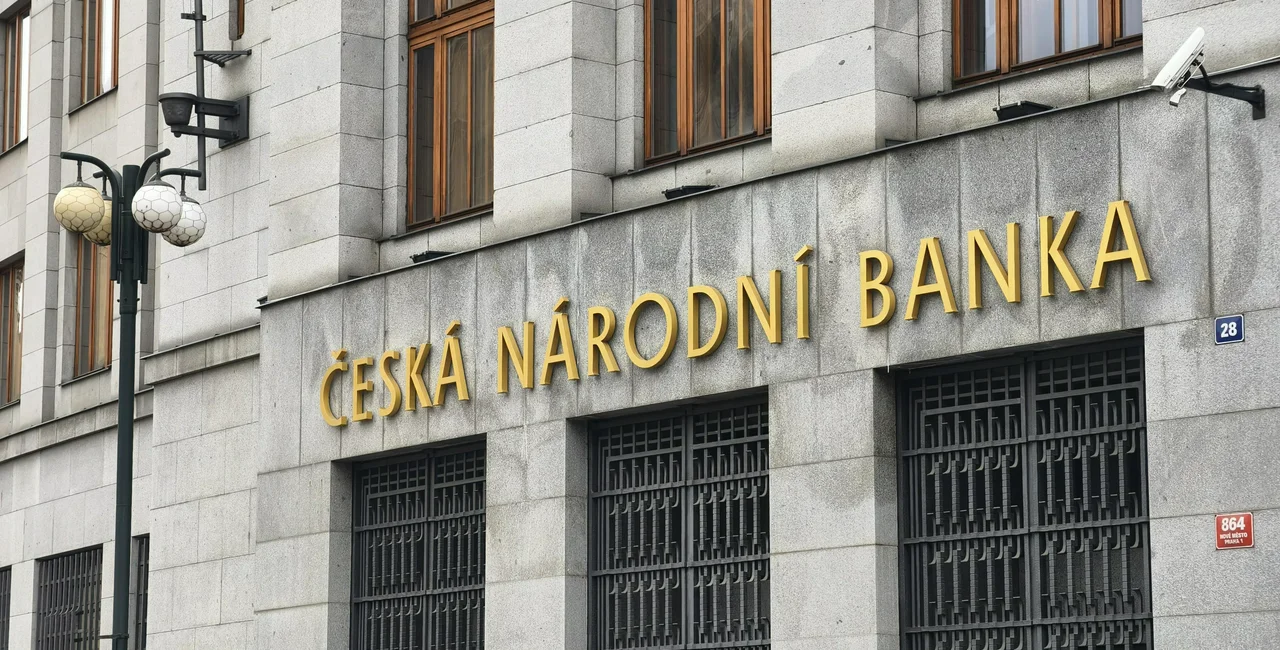
The Czech National Bank (CNB) left its key interest rate unchanged at 3.75 percent Thursday, a widely expected decision that means borrowers and savers should see little immediate change in borrowing costs or deposit rates.
The bank's seven-member board voted unanimously to hold rates steady, with the benchmark rate remaining at the level set in June, when policymakers raised it by a quarter percentage point.
Governor Aleš Michl said risks to inflation remain tilted upward and that relatively restrictive monetary policy is still needed to keep price growth close to the CNB's 2 percent target over the longer term.
What does it mean for mortgages and savings?
CNB rates influence the cost of borrowing and returns on savings, though changes do not translate directly or immediately into individual bank products.
Higher rates generally make mortgages and other loans more expensive while supporting better returns on savings accounts and deposits. For prospective homebuyers, they can also reduce the size of mortgage available at a given income.
Thursday's decision therefore offers no immediate relief from the relatively high borrowing costs facing Czech households.
The central bank identified rapid wage growth and continued tightness in the labor market among the risks that could push inflation higher. It is also monitoring the economic impact of the Middle East conflict.
Analysts said the decision had been broadly expected, and the Czech crown showed little reaction following the announcement.
Some economists believe another rate increase remains possible at one of the CNB's two remaining monetary policy meetings this year if inflationary pressures intensify.
The CNB began cutting rates from 7 percent in December 2023, eventually reaching 3.5 percent before reversing course with June's increase.