


 Reading time: 5 minutes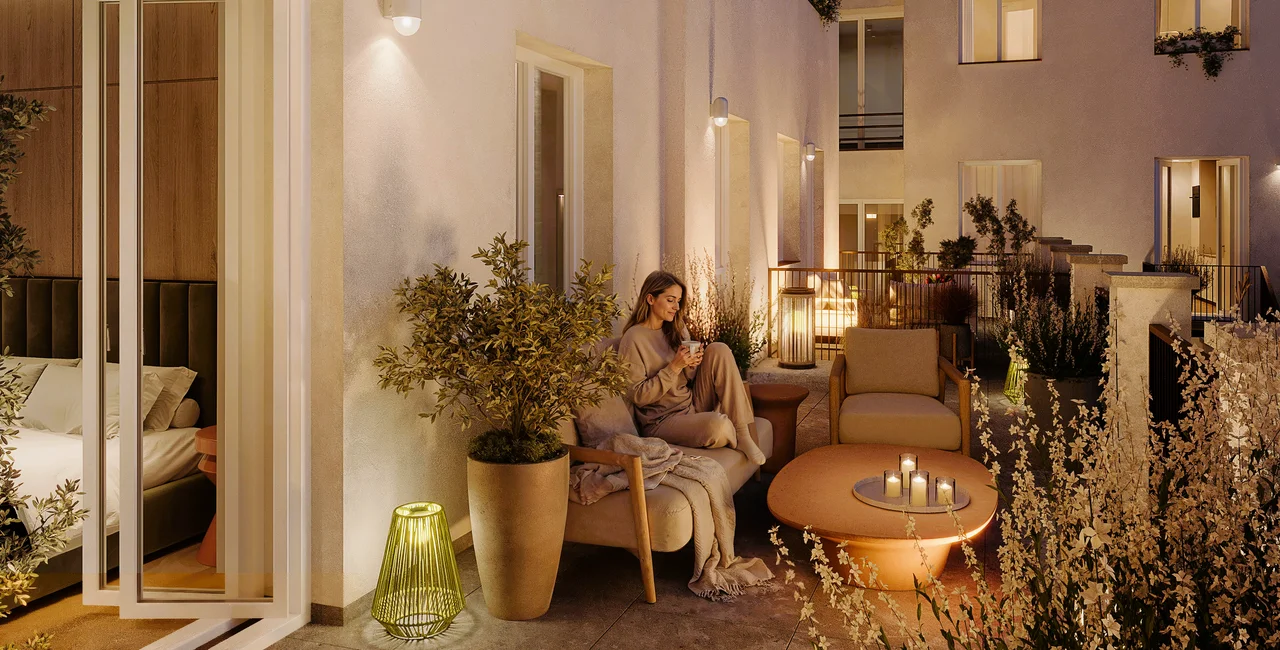

 Summary for: From temporary stay to long-term home: Why more expats are buying in Prague
For years, the typical expat experience in Prague was defined by rental contracts and temporary stays, but recent years suggest that more foreign residents are planning for the long term.
At the end of 2024, just over 130,300 foreign nationals registered in Czechia’s capital held permanent residence, 23.4 percent more than five years earlier, according to Interior Ministry data. For residents who expect Prague to remain home for years, that can also change the housing calculation, making ownership worth considering as an alternative to remaining in the rental cycle.
For buyers readying for this transition, the options extend beyond standard new-build developments. Developers like PSN offer a different route to homeownership, combining historic renovations with new residential projects in established areas where architecture, amenities, and everyday life merge.
“Today, people are not looking for just an apartment,” Dagmar Sabongui, sales manager at PSN, emphasizes. “They are looking for an environment where they want to live in the long term, a neighborhood with atmosphere, high-quality public space, and a natural sense of life around it.”
For long-term residents, buying can become part of the same decision-making process as choosing where to live and build a future. The right choice depends on finances, flexibility and how long someone expects to stay. PSN shares its insights on when buying may start to make sense, what international buyers are looking for in Prague neighborhoods, and the practical factors to consider before purchasing.
Why long-term plans change the housing equation
Buying may start to make more sense for foreign residents who expect to stay for several years, have stable income and financing, and can keep enough savings aside for legal fees, maintenance and other ownership costs. For some long-term residents, the calculation may also shift as they begin comparing the ongoing cost of renting with the financial commitment of ownership.
Prague offers many of the practical qualities that can make long-term living attractive. The city combines a high quality of life with strong transport links to the rest of Europe, safety, and property that remains relatively affordable compared with some Western European capitals. Access to public transportation, international schools, parks, cafes, restaurants, and shops also become part of the equation when a temporary stay starts to feel more permanent.
Based on enquiries received by PSN, these considerations are particularly important among its international buyers.
“Expats often do not want an anonymous development on the edge of the city,” explains Sabongui. “They look for places that have an identity and where they can genuinely experience urban life.”
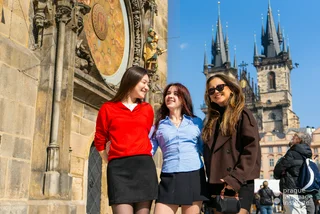
Many people fall in love with Prague’s well-maintained historic architecture upon visiting, and often appreciate these aesthetic elements when considering their move. Choosing a home in an established neighborhood can mean investing not only in the property, but in the lifestyle and sense of belonging that come with making Prague home.
The practical details of buying are particularly important in these cases, especially for those unfamiliar with the Czech property market. Some international buyers may also consider future flexibility, including how easily a property could be rented or sold if their plans in Czechia change.
Where international buyers are looking in Prague
Rather than focusing solely on building new residential complexes, PSN incorporates the revitalization of historic buildings and entire parts of established neighborhoods. Based on enquiries received by PSN, international clients have shown particular interest in central districts such as Nové Město and Vinohrady, as well as residential neighborhoods including Vršovice and Braník. These areas combine access to the center with services, green space, and established neighborhood life.
In Nové Město, Jeruzalémská 4 offers 44 apartments in a renovated functionalist building near Wenceslas Square and Prague’s main railway station. On the boundary between Nové Město and Vinohrady, the mixed-use Vinohradská 8 development will bring almost 200 apartments alongside shops, restaurants, and office space.
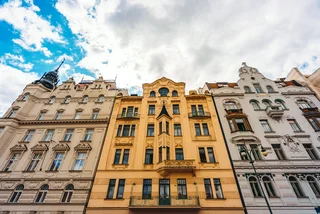
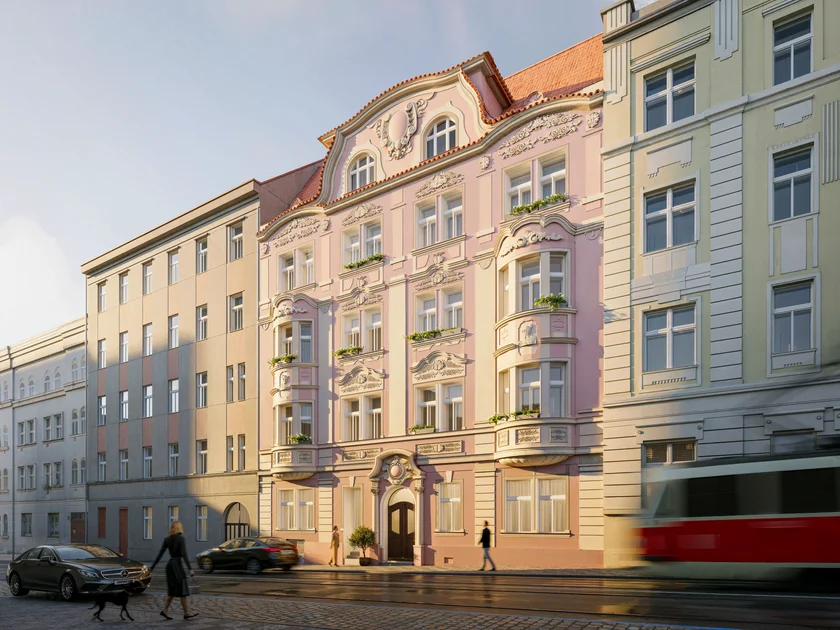
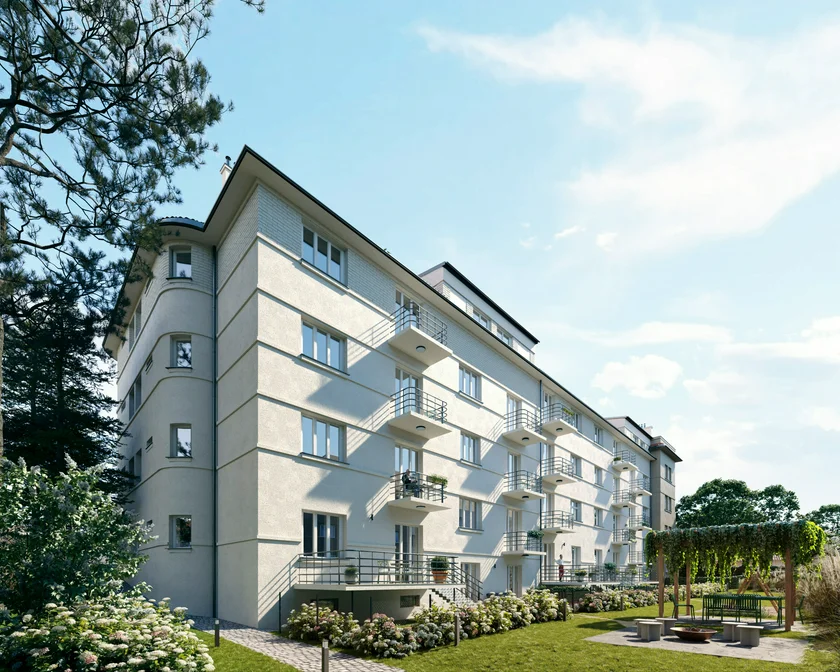
Long known as an outpost for expats, Vinohrady has a dense network of cafes, restaurants, shops, schools, and parks. Close to the Nusle border, Bělehradská 29 is an example of PSN’s approach to historic renovation. The early 20th-century Neo-Baroque apartment building is being renovated with 19 apartments and three commercial units.
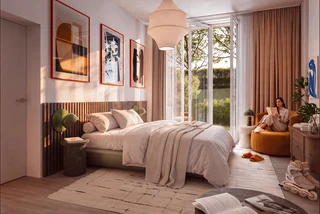
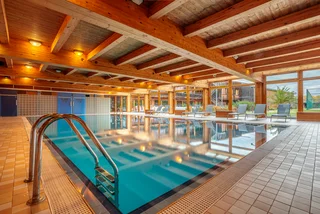
While sensitively renovating many of the existing architectural elements, such as oak parquet flooring and wooden casement windows, the project will include more modern amenities such as a sauna, fitness room, and storage for bicycles and strollers. It illustrates the combination of historic character and contemporary amenities that some long-term buyers are looking for.
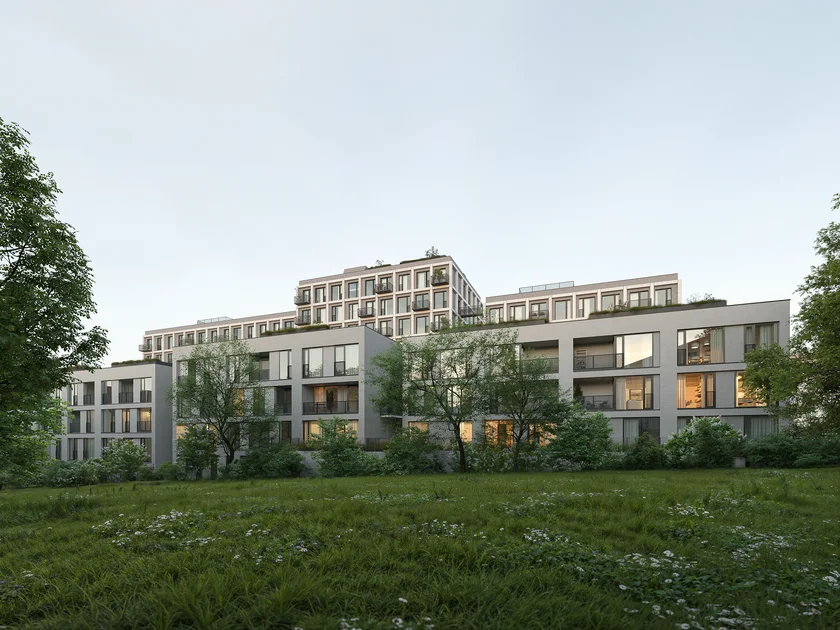
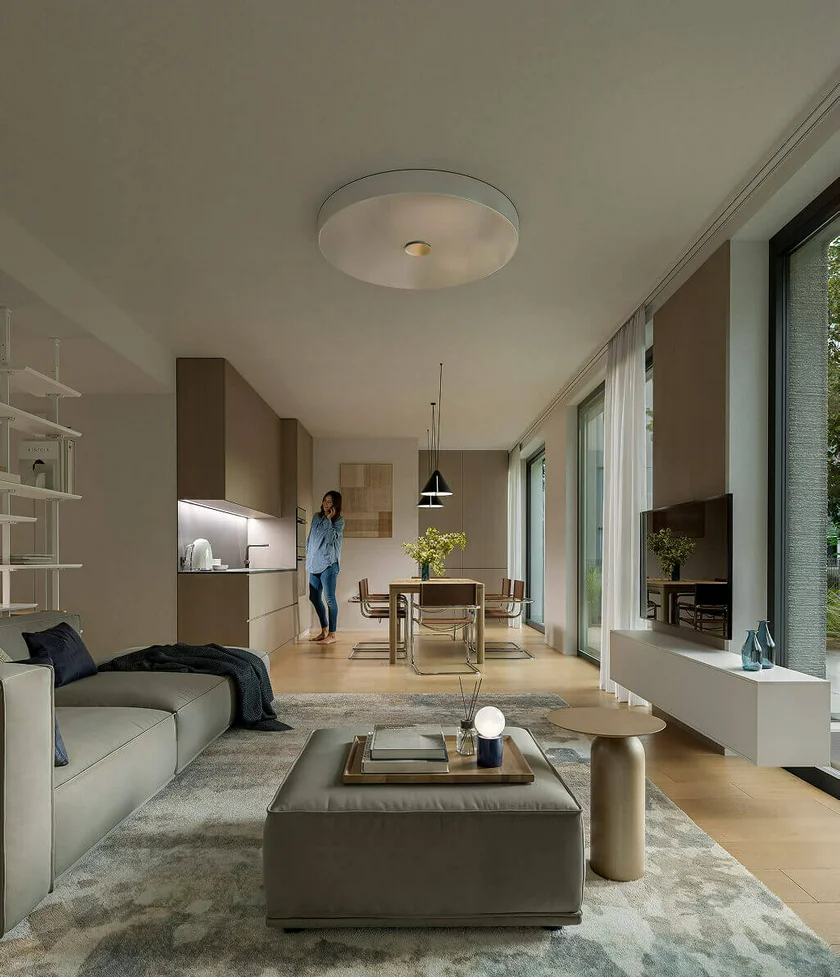
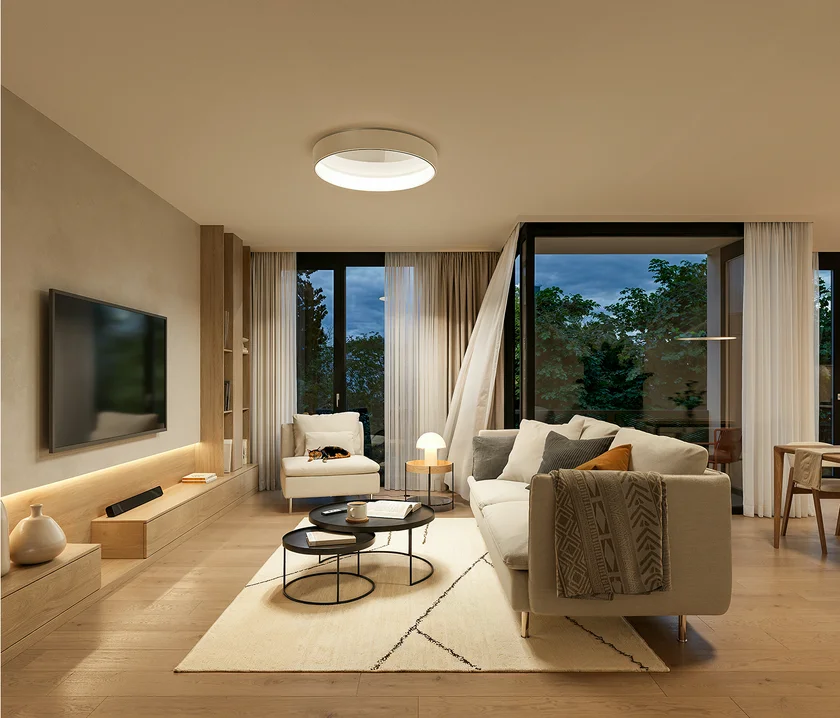


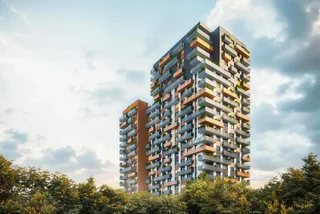
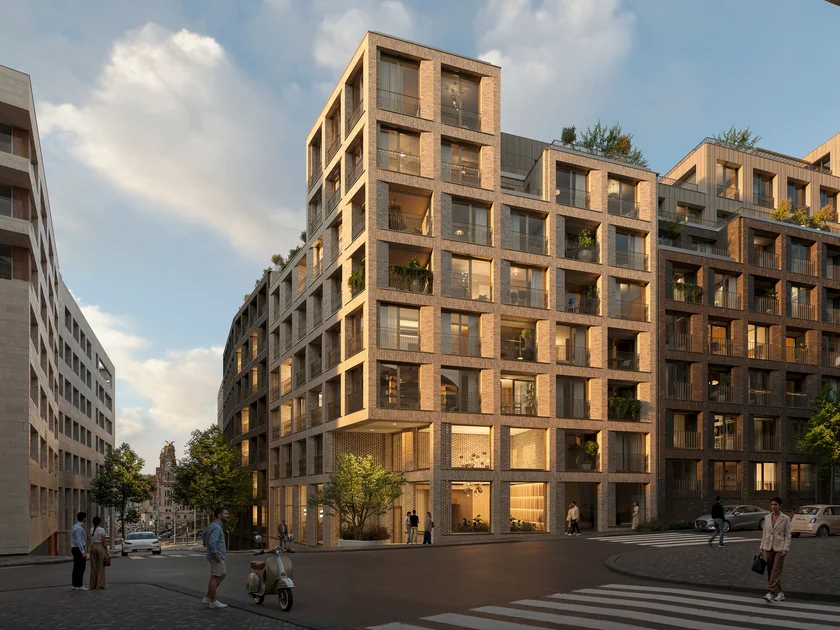
JITRO in Vršovice represents PSN’s newer-build approach, showing how contemporary housing can be incorporated into an established Prague neighborhood rather than built on the city’s outskirts.
The development will ultimately deliver 144 apartments, with layouts ranging from compact studios to three-bedroom homes, alongside 35 townhouses arranged around a secluded inner courtyard. Residents will have access to a furnished rooftop terrace with seating, a kitchenette and grill. Photovoltaic systems will help power common areas, while collected rainwater will be reused for landscaped green spaces.
Braník offers a different balance. PSN says international clients are also drawn to the neighborhood for its transport connections, services and access to green space. Its Žít Braník project sits close to the Vltava and cycling paths, with public transport connections to the city and a shared courtyard with a garden, playground and fitness area.
What foreign buyers should factor into the decision
For foreign residents considering a purchase, ownership involves more than the purchase price. Financing, available savings and ongoing costs can all form part of the calculation, while buyers may also encounter different ownership structures and, for privately owned apartments, a building owners’ association known as the společenství vlastníků jednotek or SVJ.
Once you’ve chosen a property, the purchase process typically moves from reservation and contractual documentation through payment and registration of ownership in the land registry. Real estate experts can help advise purchasers during this time to help make the process as smooth as possible.
PSN also notes that international buyers it has worked with tend to think about flexibility over the longer term, including whether a property could later be sold or rented if their plans in Czechia change. For some residents who expect Prague to remain home for years, those considerations may ultimately make ownership a more practical alternative to remaining in the rental cycle.