



 Reading time: 5 minutes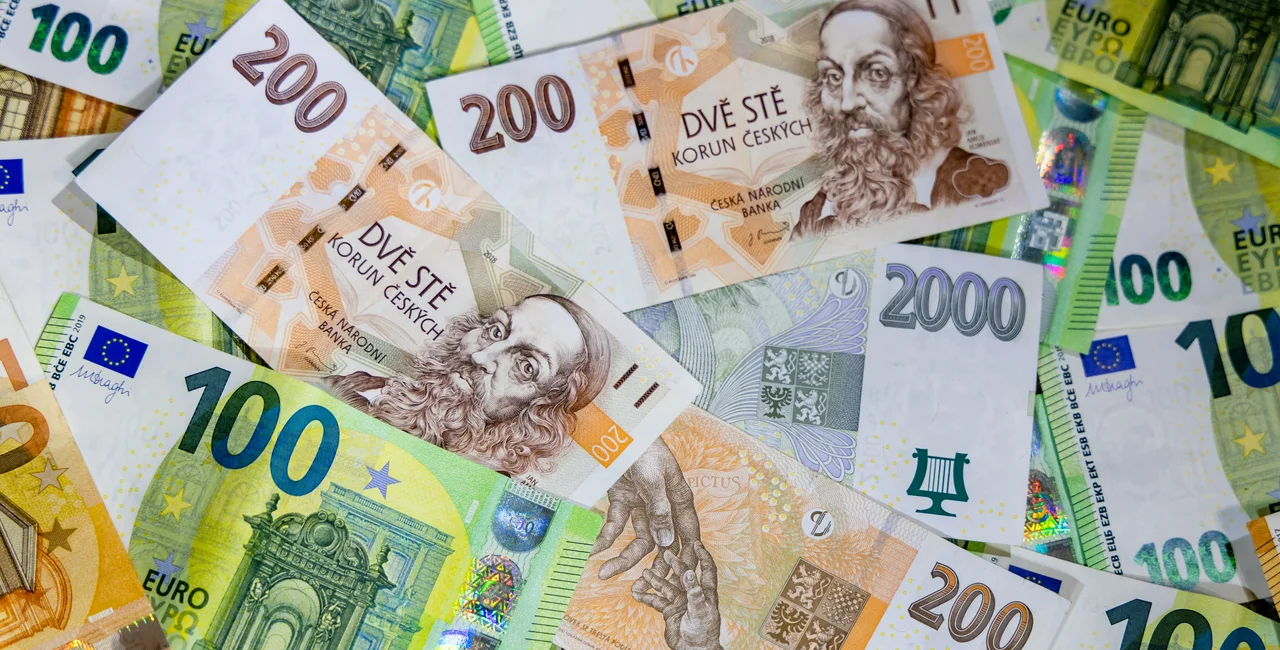

 Summary for: Not sure you’ll stay in Czechia? 3 ways to invest for whatever comes next
How many foreigners in Czechia can say with confidence how long they’ll be here? Job contracts end, relationships change, family life intervenes, and the country wins many expats over for good. Uncertainty about the future is normal, but it stops many from investing and putting their money to work. It shouldn’t.
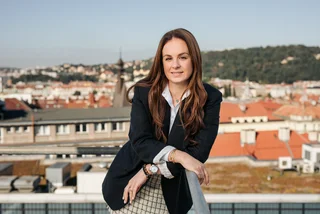
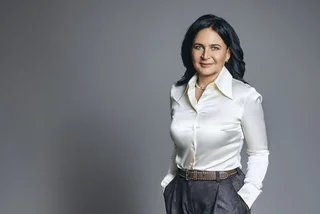
“Not knowing your timeline is no reason to leave your money in low-interest bank accounts," says Jan Stránský, Wealth Manager at WOOD & Company. "It's a reason to invest differently.”
Stránský, who grew up in the U.S. and moved back to the Czech capital permanently in 2017, specializes in advising Prague's expat community. “The biggest mistake I see is people postponing the decision for years, waiting for certainty and stability that comes slowly, if at all," he explains. "Meanwhile, inflation quietly eats into their savings.”

Whether you invest alone or with the help of professional advisors, observing three simple rules will help you grow your savings while staying flexible.
Liquidity is your escape hatch
For anyone with an uncertain timeline, liquidity, or how quickly you can turn an investment into cash, should be top of mind.
“For flexibility, expats should keep a healthy liquid core,” advises Stránský. “This is most helpful in the form of an emergency reserve plus anything earmarked for potential relocation or other big expenditures.”
He also recommends foreign residents “only commit genuinely long-term money to less liquid opportunities with higher return targets.” Before doing so, ask yourself two key questions:
How quickly can I sell, and at what cost? Listed shares and open-ended funds can typically be sold within days, while highly liquid instruments such as Exchange Traded Funds (ETFs), can be sold immediately. Some specialized funds, on the other hand, have notice periods or minimum holding periods.
Are there exit fees or penalties for early withdrawal? Some less liquid funds, such as real estate funds or funds for qualified investors, claim a percentage of your investment if you sell before a set date. These conditions will be defined in fund documentation.
For Czech tax residents, income from selling securities such as shares, ETFs and investment fund units may be taxable if they are sold within three years. However, an exemption generally applies when the total proceeds from securities sold during the calendar year do not exceed CZK 100,000. The rules depend on the investment and the investor’s tax residency.

Combine short- and long-term thinking
A classic rule of thumb for investing is that the shorter your time horizon, the more conservative and liquid your investments should be.
“A portfolio that’s diversified in both instrument type and geography travels with you,” Stránský notes. “If you leave Prague, you don't have to liquidate, you can keep it running from wherever you land next, while reassessing your tax obligations if you change tax residency.”
Think of your portfolio as two concentric circles. An outer circle of liquid short-term investments should be easy to access, with lower returns and lower risk.
Safer short-term investments (0–3 years): Funds you think you might need for big expenditures like a relocation, house deposit or holiday can still gain value if you invest them wisely in conservative instruments. Money market funds, short-dated bonds and ETFs can earn steady returns while minimizing risks from market drama. Most importantly, they’re highly “liquid,” which means you can sell them and get the cash practically immediately.
The inner, less liquid circle is where you lock money away for more ambitious, longer-term, potentially tax-free (if held for more than three years) strategies. Risky bets can work out over the long term, but when investing money that you may need to spend soon, you want safe options.
Riskier medium-to-long-term strategies (3+ years): Balanced portfolios with a higher risk appetite, mixing funds for qualified investors, bonds and equities, can generate higher returns while keeping volatility manageable over the long term. For Czech tax residents, income from the sale of qualifying securities is generally exempt from Czech income tax when the securities have been held for more than three years. Different rules may apply if the investor changes tax residency.
“This approach combines incremental gains for money you might need to access soon, and higher returns for money you can lock away for longer,” Stránský adds.
Think in more than one currency
Another vital but often overlooked question is which currency foreigners expect to spend in the future. If you’re not sure where you’ll end up in the long term, holding investments across several currencies offsets the risk of one currency experiencing a downturn.
“Currency diversification means a swing in any single exchange rate won't derail your plans. We build portfolios in CZK, EUR, and USD depending on where a client's future is likely to be. When that future changes, the portfolio can change with it,” Stránský explains.
- Koruna (CZK): While you’re in Czechia, keeping investments in local bonds and koruna-denominated funds can match day-to-day costs while carrying attractive yields.
- Euro (EUR): The natural anchor for anyone who expects to stay in the EU, whether in Prague or elsewhere.
- Dollar (USD): Still the world currency king, dollar exposure is automatic if you invest in global equities and suits those who may return to the US or work internationally.
Modern investment platforms allow you to hold investments in various currencies simultaneously without complication. Just keep tabs on which investments you hold in which currency and consider current exchange rates when buying and selling.
The bottom line: Be adaptable
You don't need to have your entire future planned out to start investing. You just need an approach that’s flexible enough to handle change, whether you end up staying in Czechia for ten months or ten years.
Layer your money by time horizon, protect your liquidity, and spread your currency risk. With that structure in place, you have all you need to get started.
For a free investment consultation, contact Jan Stránský at jan.stransky@wood.cz.
Disclaimer: Investing and trading financial instruments carry risks. Past performance is no guarantee of future returns. This article does not constitute investment, tax, or legal advice.