 Reading time: 2 minutes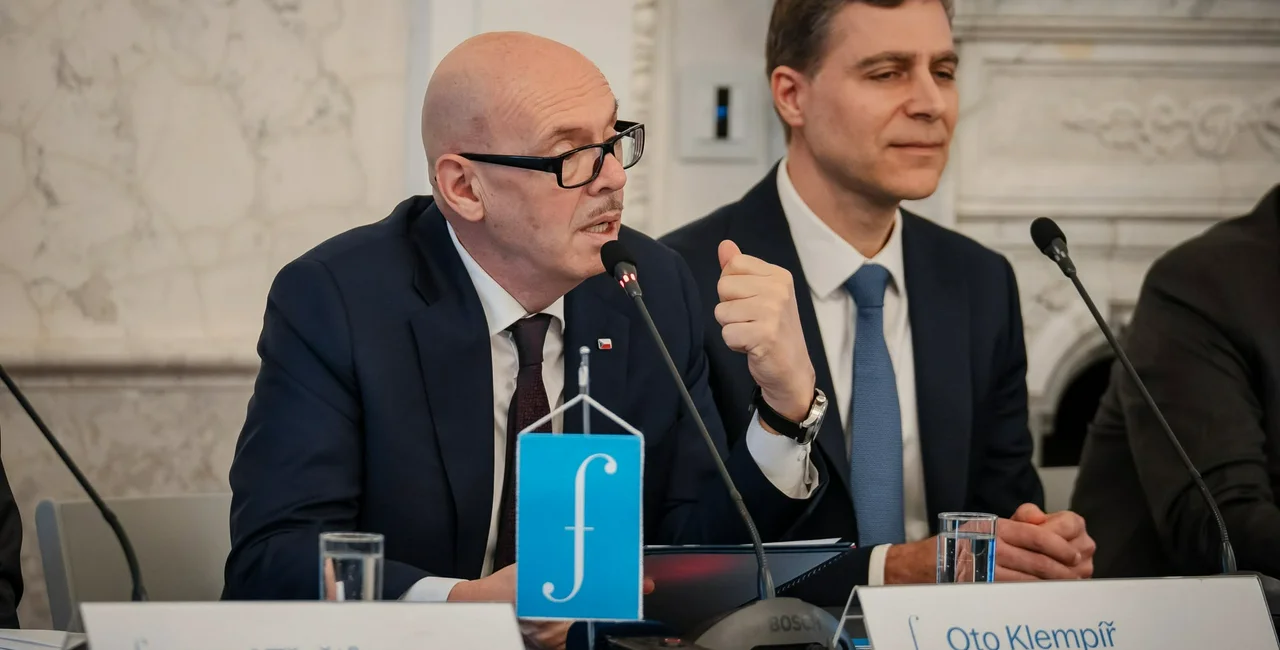

 Summary for: Czech artists warn new funding rules could threaten freedom of expression
Czech cultural organizations are warning that changes to government funding rules could threaten artistic freedom, raising concerns about political influence over which theaters, festivals, and creative projects receive public support.
Several professional associations have criticized new conditions introduced by the Ministry of Culture, arguing that provisions concerning political activities and artistic content could discourage creators from addressing controversial subjects.

Culture Minister Oto Klempíř has rejected accusations of censorship, insisting that artists remain free to express political opinions and criticize the government.
The dispute comes as Czechia implements a new national cultural policy for 2026–2029, which has already faced criticism from parts of the country's creative sector.
Cultural organizations fear political interference
According to an October 14 report by the Czech News Agency (ČTK), organizations representing independent theaters, dance companies, publishers, festivals, and cultural centers have expressed concerns about the revised grant conditions.
Among those raising objections are the Czech branch of the International Theatre Institute, the Association of Independent Theatres, Nová síť, Vize tance, the Czech Association of Festivals, and the Association of Cultural Centers.
Their concerns center on whether the new provisions could allow political considerations to influence funding decisions.

The organizations have also questioned anticipated personnel changes to the ministry's grant evaluation committees, which play a role in determining which projects receive financial support.
Jakub Vedral, president of the Czech branch of the International Theatre Institute, told Czech Radio that the rules are insufficiently clear and could encourage self-censorship among artists concerned about losing funding.
Opposition Pirate Party lawmaker Andrea Hoffmannová has also criticized the changes, arguing that decisions about public support should not depend on whether artistic works contain political messages.
Culture minister rejects censorship accusations
Klempíř has denied that the revised conditions are intended to restrict artistic expression.
The minister said artists retain the right to criticize the government, express political views, and create politically themed work, but argued that freedom of expression does not automatically entitle a project to public funding.

He also maintained that the ministry would not assess grant applicants according to their political opinions.
The controversy follows the government's October 5 approval of a new State Cultural Policy for 2026–2029, which outlines priorities including cultural heritage protection, fairer pay for cultural workers, and modernization of cultural institutions.
The ministry is also reviewing cooperation agreements with major events, including the Karlovy Vary International Film Festival and Prague Spring, to align partnerships with the new strategy.
While the government presents the changes as an effort to improve accountability and the use of public funding, critics fear that vaguely defined restrictions could leave cultural organizations uncertain about which projects qualify for support.
For now, the disagreement highlights a wider debate over the relationship between public funding and artistic independence in Czechia, with cultural organizations seeking greater clarity about how the revised rules will be applied.