



 Reading time: 2 minutes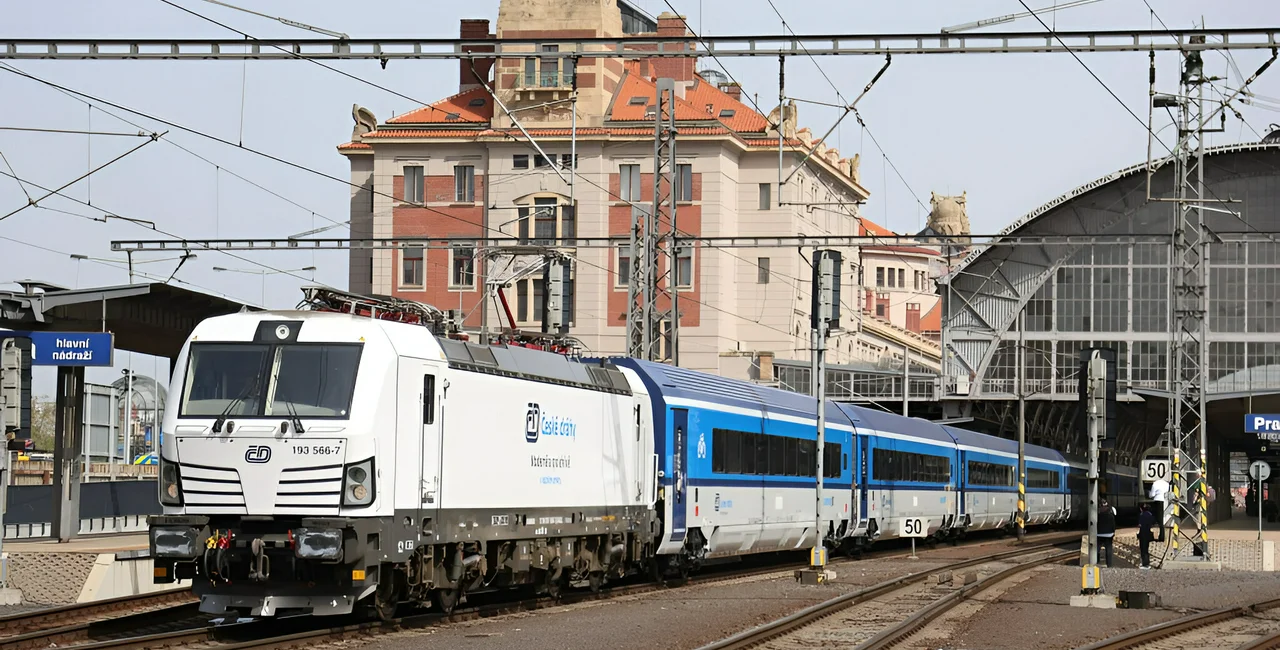

 Summary for: Prague-Copenhagen route among CNN’s 'Most Exciting New Trains' in 2026
The golden age of European rail travel is accelerating, and the Czech capital is at the very heart of it. CNN Travel has officially named the upcoming Prague-Copenhagen ComfortJet service as one of the most exciting train journeys in the world for 2026.
Joining the ranks of luxury “land cruises” in Saudi Arabia and high-speed expansions in Italy, the new “Scandi Connection” represents a major milestone for Central European mobility.
The route, which revives a link discontinued in 2014 when night trains were scrapped, is operated jointly by České dráhy (ČD), Deutsche Bahn (DB), and the Danish State Railways (DSB). It is set to link “two of Europe’s favorite city-break destinations by regular trains for the first time in more than a decade,” writes CNN.
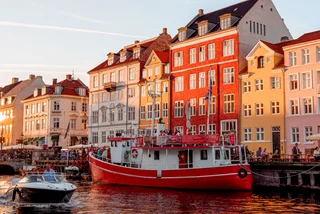
Scheduled to launch on May 1, 2026, the service will run two daily train pairs year-round, with a third added during the summer peak. Covering 530 miles, with departures from Prague at 6:30 a.m. and 10:30 a.m., during high summer, the third train will leave at 4:30 p.m. and run overnight, although no sleeping or couchette cars will be provided, CNN reports.
The whole journey will take about 11 hours, including roughly seven hours between Berlin and Copenhagen, with stops in Dresden, Berlin, and Hamburg.
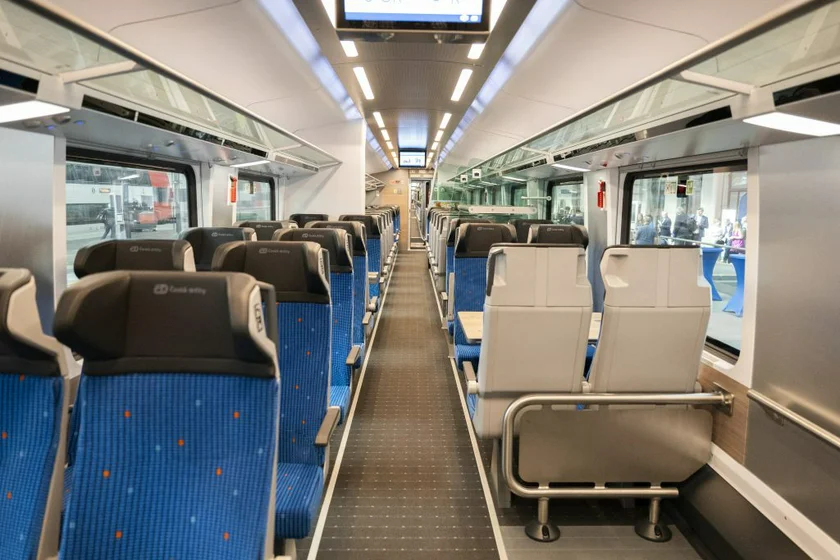
Designed to compete with short flights
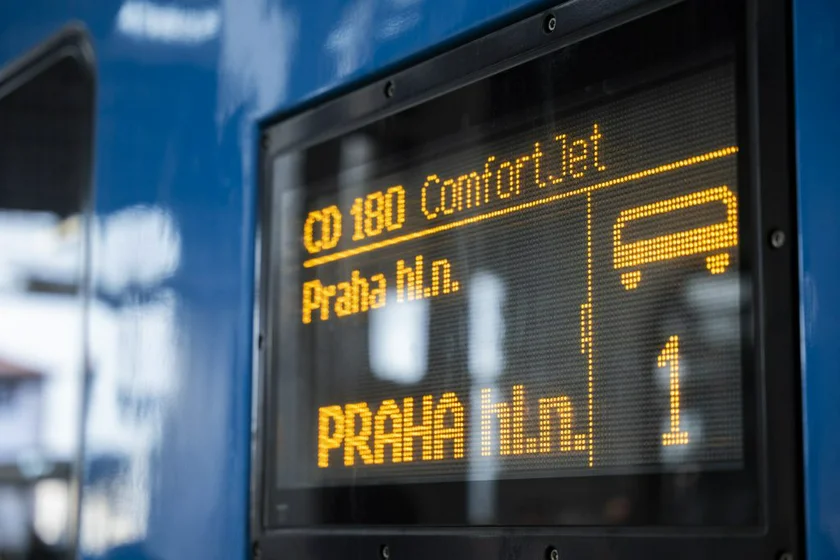
The route will be served by the Czech-built ComfortJet, designed to compete with short-haul flights. Featuring family areas and a full restaurant car, the trains will reach speeds of up to 230 km/h on German tracks, the fastest regular service in Czech Railways’ history.

The timing is key. Major upgrades to the Berlin–Hamburg line, scheduled for completion in 2026, will reduce travel times by several hours compared to earlier estimates. Looking ahead, the planned Fehmarnbelt undersea tunnel between Germany and Denmark is expected to shorten the journey further in the 2030s.

The European Commission has highlighted this route as a flagship pilot project for decarbonizing the transport sector. By linking metropolitan areas home to over 15 million people, the Prague-Copenhagen line provides a tangible, low-carbon alternative to the carbon-heavy Prague-Kastrup flight path.
Europe’s rail renaissance, despite a surge of media hype, has faced obstacles, including subsidy cuts that have led to the closure of some high-profile sleeper routes. At the same time, aging infrastructure and cross-border bureaucracy continue to undermine reliability and seamless travel.
Still, says CNN, 2026 may prove a "particularly exciting year for trains, both practical and indulgent."
2026: Other Major European Rail Openings
- Milan to Amsterdam & Brussels: A new 1,100 km overnight service by European Sleeper linking Italy with the Benelux region via the Swiss Alps.
- Italy to Germany & Austria: Italy’s high-speed Frecciarossa (Red Arrow) expands north, bringing new competition to the Berlin–Munich–Milan corridor.
- Paris to Berlin: European Sleeper revives this vital overnight link in March 2026, routing via Brussels to connect three major EU capitals.
- Budapest to Belgrade: A total reconstruction project reopens this month, featuring 200 km/h speeds and a key connection to the scenic Belgrade–Bar line.

Source: CNN