



 Reading time: 4 minutes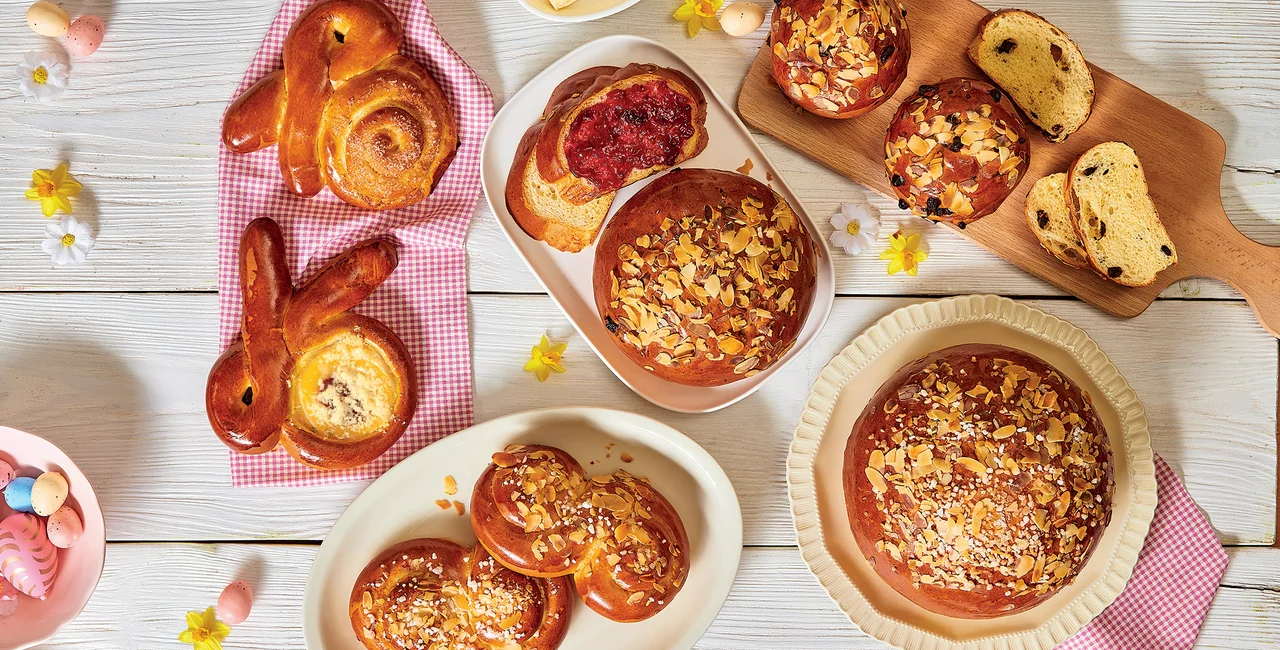

 Summary for: How I blend Czech and American Easter traditions in Prague
In the U.S., Easter has always been a way for me to welcome the promise of spring after the harsh New York City winter, but it’s also been one of those holidays which really shows off its multicultural side. There are a few overlapping traditions across states – cotton-ball bunny decorations, baskets filled with candy, a spiral ham or two – but mostly, everyone makes the holiday their own.
Easter is a bit more streamlined and predictable in Czechia, but I’ve adopted a few holiday traditions which I’ve really come to love. This is my third year hosting Easter brunch in Prague, and using Tesco as a one-stop shop to pick up everything I need has made it much easier. My brunch is a bit of a cultural free-for-all, with some things very Czech, others very American, so if you’re looking for a way to mix up your celebrations this year, here’s what makes it work for me.
What I’ve learned about Czech Easter
Pomlázka traditions aside, one of the biggest shifts for me was understanding that Czech Easter is eaten in stages, with different foods prepared and eaten on different days. Judas rolls and green foods for Maundy Thursday, sauerkraut soup on Good Friday, the preparation of baked goods on Easter Saturday, and then a meat-focused feast on Easter Sunday. In the U.S. Easter is one meal, but here it’s a sequence.
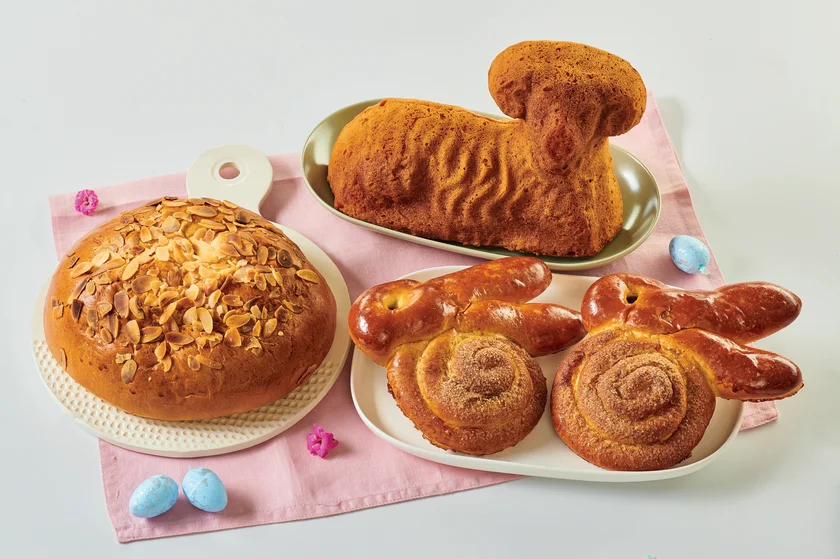
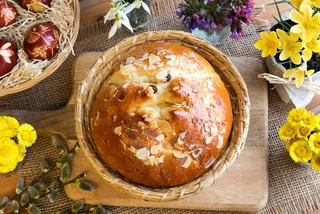
In keeping with the season, most Czech Easter foods are only made and eaten this time of year. Mazanec, a slightly sweet bread studded with raisins and almonds, appears in most households. Beránek, the lamb-shaped cake, is another staple. There is also nádivka, a spring stuffing made with herbs, eggs, and sometimes pork, veal or lamb. Smoked meats, ham, and cold cuts are common.
My favorite tradition is how Czechs decorate eggs. Easter markets in Old Town are filled with delicate designs that look almost too perfect to display. Each year I buy a new one to commemorate another year of living abroad.
Tastes and traditions of home
One of the things I miss most about life in the U.S. is its supermarkets, which is why I sometimes head to a Tesco hypermarket to wander wide aisles and stock up on everything I didn’t know I needed. This especially helps when I’m entertaining during the holidays, because I can get everything in one place: food, decor, flowers, and even ingredients for mimosas if I’m feeling fancy.
Everyone’s Easter table looks different in the U.S. My Italian friends in New York ate fish and made pasta, and my friends in South Carolina would usually do an oyster roast. My family typically had ham, deviled eggs, a spring salad, and roasted potatoes, with some cake and cookies for dessert.
We also decorate eggs, but it’s a little different. My family used to hard-boil the eggs and then use food coloring mixed with vinegar to dye them. I picked up some egg coloring kits at Tesco and was pleasantly surprised at how nice the eggs turned out, using decals and paint. Different method, same idea.
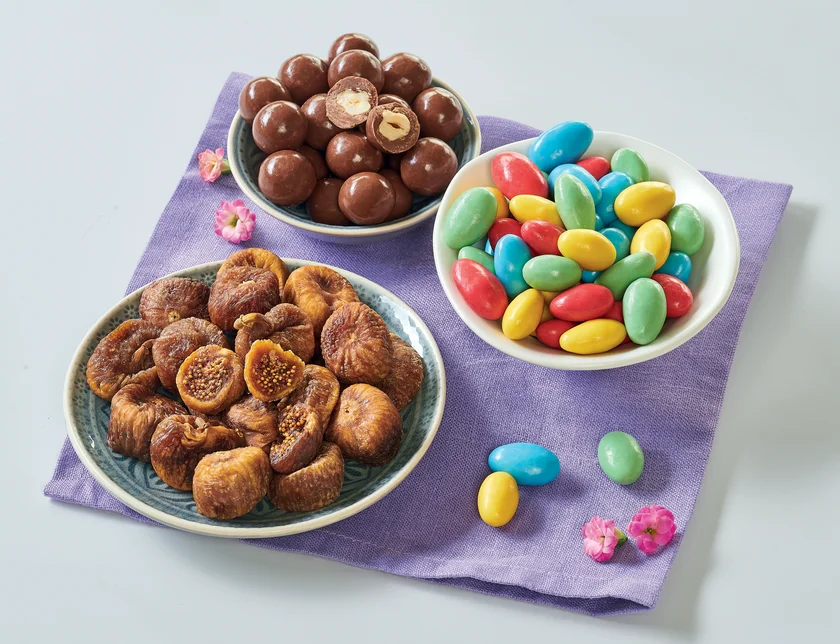
As a kid, I’d wake up and find an Easter basket packed with all my favorite candy, snacks, and small toys. The Easter Bunny may not visit Prague, but I find it comforting that I can still recreate a version of that. Chocolate bunnies, chocolate eggs, and a few playful extras like sour candy and lollipops somehow bring it back. These small, familiar details carry a lot of nostalgia.
How I’m setting my Easter table this year
We don’t have Easter Monday in the U.S., so most American families host brunch on Easter Sunday to make things easy. This year I’ll have friends over for a casual, relaxed afternoon of good food, games, and maybe a springtime walk. The goal is to keep it low pressure.
A giant charcuterie board is my appetizer go-to, mixed with sliced meats, cheeses, and delicacies from around the world. It’s easy to assemble and perfect for guests to graze while I put the finishing touches on the main meal.
Brunch is meant to be relaxing, and I find finger foods an easy way for guests to eat, chat, and be well-fed throughout the day. Czech chlebíčky, with roast beef, horseradish, and a tiny gherkin, are perfect for this purpose. They disappear quickly, which is always a good sign.
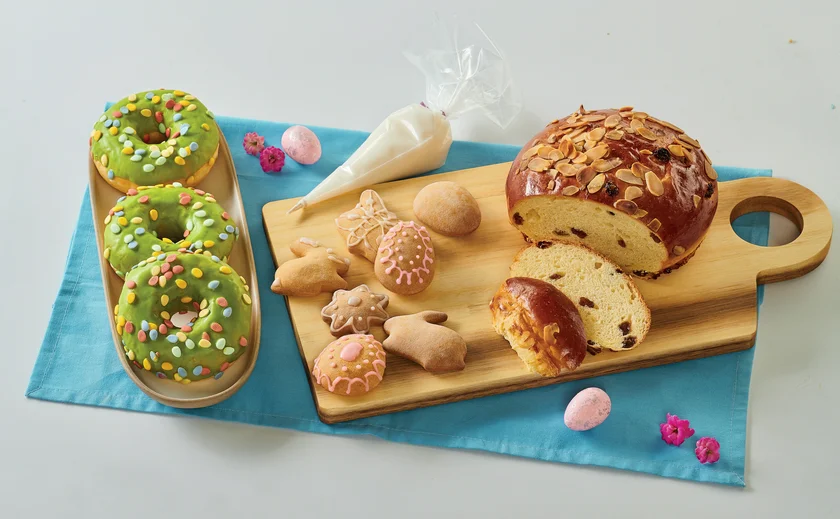
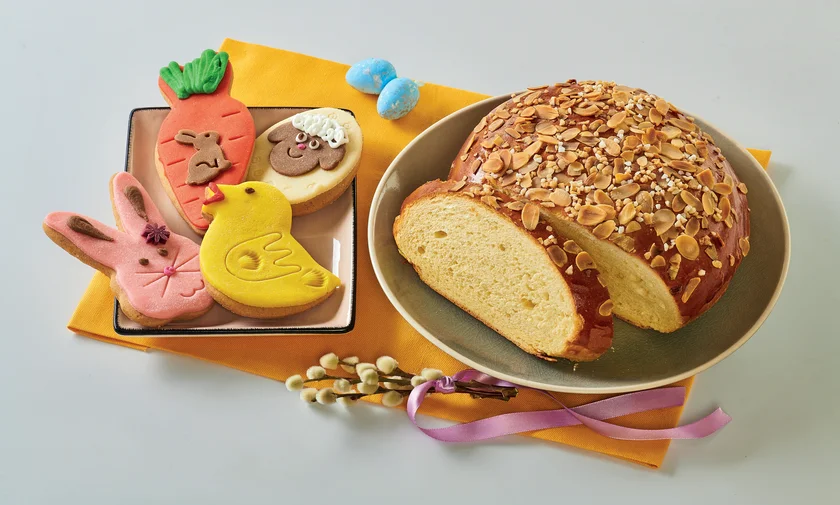
I’ll ask guests to bring dessert, for two reasons: My baking skills are pretty awful, but I am also very happy to outsource this to Czech friends who know what they’re doing. They are tasked with bringing mazanec, often homemade from recipes passed down to them by family. But I’m not opposed to store-bought donuts, cookies, or beránek, which Tesco usually bakes fresh on site.
At this point, I’m less concerned with getting Easter “right” and more focused on putting together a table that feels full, easy, and shared. These new and old traditions have really helped me feel like Prague is not just my new home, but a place I’ll stay rooted in.