




 Reading time: 2 minutes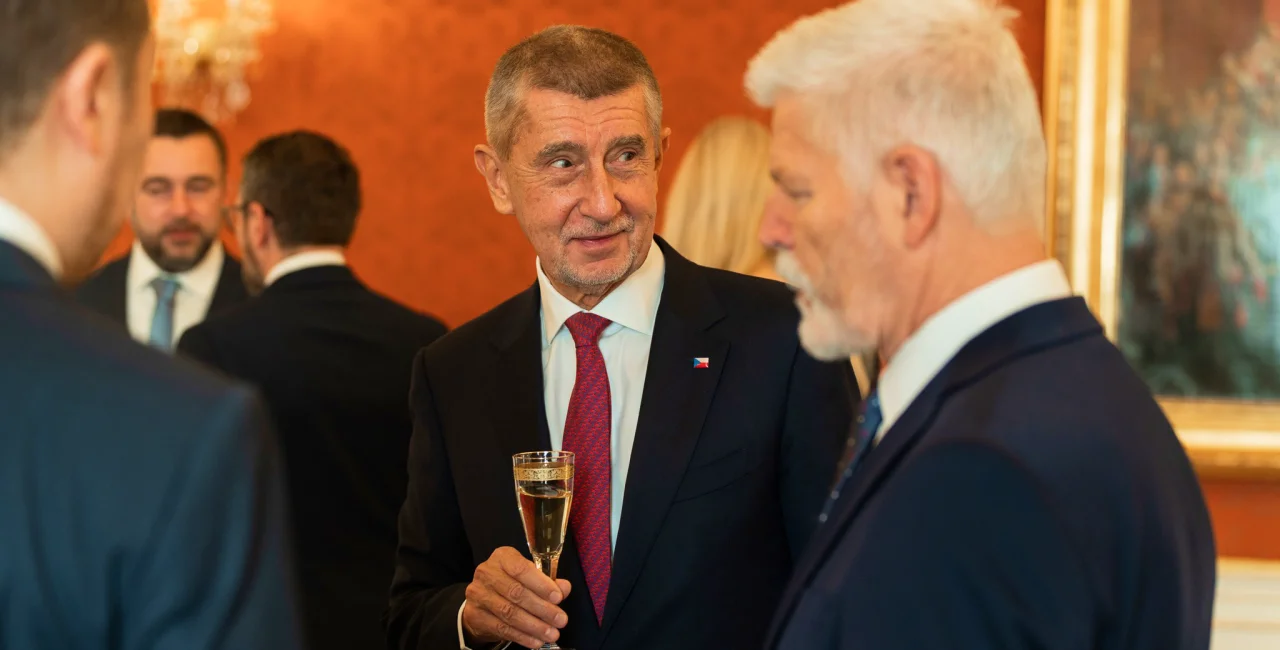

 Summary for: Bleak future for Ukraine aid, EU friendship as Czechia's new prime minister takes power
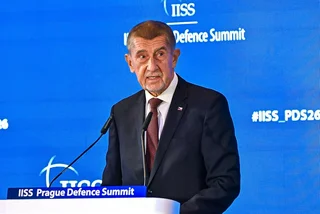
Andrej Babiš is set to be formally appointed and sworn in as Prime Minister by President Petr Pavel on Monday morning, installing a new coalition government consisting of ministers from ANO, SPD, and Motorists after almost exactly four years out of power. The government holds a 108-seat majority and will seek a confidence vote on Jan. 13.
The return of Babiš to office immediately coincides with a critical foreign policy pivot, following his statements over the weekend that threaten to derail a massive EUR 90 billion European Union financial aid package for Ukraine ahead of the crucial summit in Brussels this Thursday.
In comments made on social media over the weekend, Babiš stated his new government's position on Ukraine's future financing needs for 2026 and 2027:
“The European Commission must find other ways of financing Ukraine. We don’t have money for other states and this must be resolved by the European Union in another way, but we will not guarantee anything for it, nor will we put money there,” Babiš said in a post on X.
The immediate impact of the new government’s position raises serious questions about both the future of Czech security, its role in the EU, and the economy.
Czechia joins group of member states raising objections
Babiš's declaration marks a sharp break from the outgoing government's staunch support for Kyiv, positioning the country alongside the group of member states, including Belgium, Italy, Malta, and Bulgaria, who have raised legal and financial objections to the EU's proposed solutions.
While this group of five countries, even if joined by pro-Kremlin Hungary and Slovakia, would not be able to build a blocking minority, their public criticism erodes the Commission’s hopes of striking a political deal this week, writes Politico.
Outgoing Prime Minister Petr Fiala immediately condemned the stance as "selfish and irresponsible," a move that he warned could compromise not only the security of the Czechia but also its long-term prosperity and standing within the EU budget negotiations.

Surprise anonymous donation heightens stakes
Outgoing government data showed that state revenues linked to Ukraine aid, including taxes and social payments from Ukrainian refugees, and compensation for military equipment donated from Czech stock, exceeded the costs by over CZK 12 billion.
Furthermore, support for Kyiv has channeled over CZK 260 billion into the Czech defense industry through foreign-financed contracts, creating jobs and positioning Czech companies to participate in Ukraine's critical post-war reconstruction projects, often supported by EU funding that the incoming government's stance now complicates.
Amid the Babiš cabinet's signal to cut state support, substantial private aid continues to flow from Czech sources, creating a striking tension with the new policy. The Czech crowdfunding initiative 'Gift for Putin' announced a CZK 100 million donation from an anonymous donor this weekend, funding drones and anti-Shahed defense systems for Ukraine.