



 Reading time: 3 minutes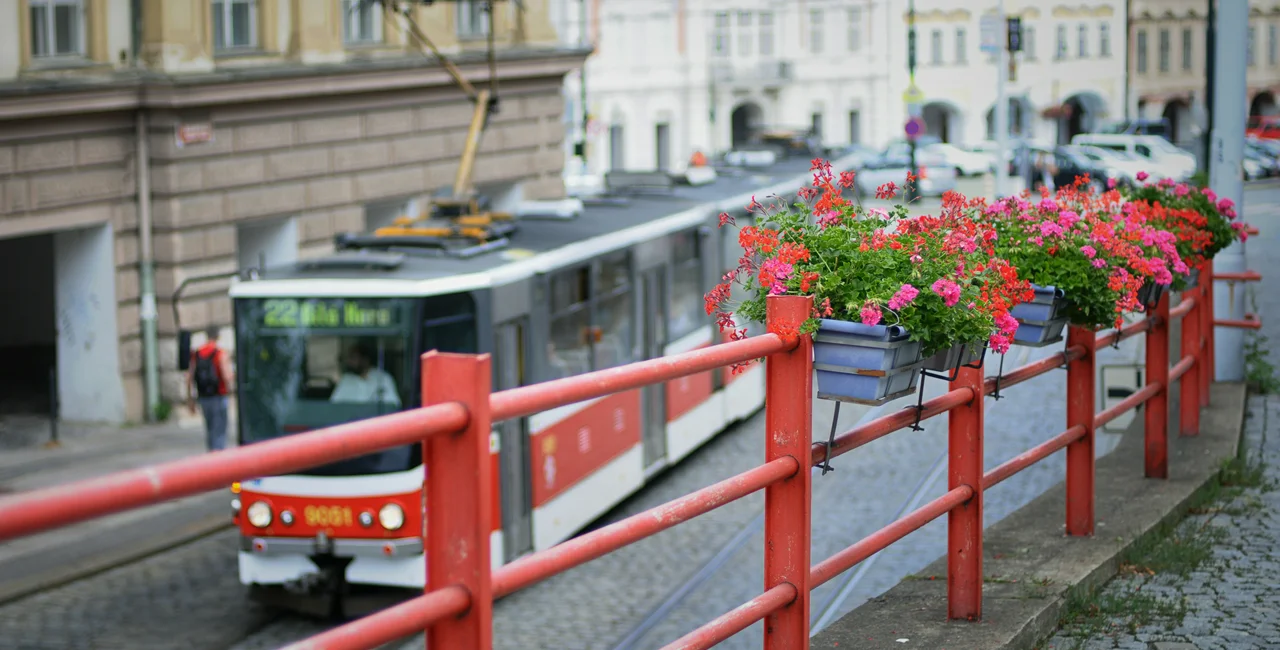

 Summary for: Big changes to Prague public transport: Summer disruption, better weekend service, future fare hikes
Prague’s weekend commuters will see a major shift in public transport schedules this autumn.
Starting in September, the city will unify Saturday and Sunday metro intervals to create a seamless weekend timetable, part of a broader effort to cope with record-breaking passenger numbers.

However, the major service expansion comes with a financial catch: Buried within the city’s updated transit blueprint released this week is an admission that Prague will likely have to gradually increase fares in the coming years to fund these ambitious upgrades.
Plan responds to rise in vehicle ownership
The changes are driven by the newly approved Prague Integrated Transport (PID) Plan for 2030, which responds to a sharp rise in vehicle ownership. City data shows that as of recent counts, Prague reached a ratio of one passenger car per 1.3 inhabitants, severely congesting the capital’s roads.
"The numbers speak clearly, Prague is facing a large increase in the number of cars," said Prague’s Deputy Mayor for Transport Jaromír Beránek. "We must respond to this trend by offering high-quality, safe, and capacious public transport."
Under the new plan, the city will permanently scrap outdated post-Christmas service reductions, ensuring the metro operates at full capacity outside the summer holidays.
Commuters can also expect weekday improvements: morning rush-hour intervals on line B will drop to 130 seconds, while line C will eventually target 105-second intervals following full automation.

Beyond the metro
Beyond the underground network, the city plans to construct seven new tram lines by 2030, connecting key areas such as Strahov, Malešice, and a highly anticipated route across Wenceslas Square to the National Museum.
This expansion will trigger a complete reorganization of night transport, including the launch of a new night tram line 90.

Bus networks will see the introduction of a new express line 145 traveling through the Blanka Tunnel Complex, alongside ongoing trolleybus electrification. On the rails, new double-decker trains with 380 seats will be deployed by 2030, paired with extensive modernizations at both Masarykovo and Smíchov stations.
Transit officials emphasize that the overhaul is necessary to keep the city moving.
ROPID Director Petr Tomčík stated that the approved plan brings the concrete steps required to handle growing demand, modernize the fleet, and prepare the PID system for the next decade.

For now, commuters face summer delays
While Prague's transport planners are promising faster and more frequent services in the years ahead, passengers will first have to navigate a summer of reduced schedules and major disruptions.
Those who rely on public transport should prepare for longer journeys starting this Saturday, June 27, as the city switches to its annual summer holiday timetable.
The seasonal adjustments, designed to reflect lower passenger demand during the vacation period, will remain in place until Aug. 28, with regular schedules returning on Aug. 29.
SUMMER TIMETABLE CHANGES: WHAT you NEED TO KNOW
- Metro: Peak-hour intervals will increase this summer. Line A waits will grow by 60–75 seconds, Line B by 40–60 seconds, and Line C by 20–35 seconds. All metro lines will run every 5 minutes at midday and 7.5 minutes on weekends.
- Trams: Most routes will operate every 10 minutes during weekday peaks and 12 minutes midday. High-frequency lines 9, 17 and 22 will continue running twice as often.
- Buses: Weekday schedules and some weekend services will be reduced, while school bus routes will be suspended throughout July and August.
- Major closures: Metro Line C will close between Kobylisy and Pražského povstání from July 4–10 for signalling upgrades. Replacement XC buses and an extended tram line 2 will operate.
- More disruption ahead: Tram closures will affect Anděl–Radlice and the city-centre section between Lazarská and Újezd, while rail passengers will face disruptions linked to Smíchov station upgrades and the Prague–Kladno service suspension.