




 Reading time: 4 minutes

 Summary for: Czech heatwave breaks records: The numbers you need to know
Czechia has recorded its warmest night in history as an extreme heatwave continues to push temperatures above 40°C, break August records, send more people to hospitals, and increase fire risks across the country.
At the Bystřice pod Hostýnem weather station, temperatures did not fall below 27.9°C overnight, surpassing the previous national record for the warmest night. On Tuesday, daytime temperatures then climbed above 40°C in multiple locations, with a new Moravian record set in Strážnice and Prague also experiencing its hottest day on record.

Here's a hot take on the numbers behind the heatwave.
The highest temperature recorded
41.5°C
Tuesday became a record-breaking day across Czechia, with half of weather stations operating for at least 30 years breaking or matching their all-time temperature records.
The highest reading was recorded in Plzeň-Bolevec, where temperatures reached 41.5°C.
In Strážnice in South Moravia, temperatures reached 40.9°C, marking the first time temperatures above 40°C have been recorded in Moravia since measurements began.
Temperatures above 40°C were also recorded in locations including Doksany, Plzeň-Mikulka, Tuháň, Dobřichovice, and Prague.


Prague had its hottest August day
40.1°C
The capital also recorded its hottest August day on record.
Temperatures at Prague’s Karlov weather station reached 40.1°C, marking the first time the city center has exceeded 40°C in recorded history.
Another Prague station in Komořany also recorded temperatures above 40°C.
The warmest night ever recorded
27.9°C





The heat did not ease after sunset.
At the weather station in Bystřice pod Hostýnem, temperatures did not fall below 27.9°C overnight, the warmest night recorded in Czechia since measurements began.
Many other locations experienced a “tropical night,” when temperatures remain above 20°C.
Meteorologists warn that hot nights can place additional strain on the body because people have less opportunity to recover from daytime heat.
- 41.5°C: Plzeň-Bolevec was the hottest spot during Tuesday’s heatwave
- 41.9°C: Czechia’s all-time temperature record, set this summer in Doksany
Patients increased in Prague hospitals
15%

Several Prague hospitals reported increases in patients arriving with heat-related problems, including dehydration, heat exhaustion, and overheating.
Hospitals including Motol, Na Homolce, Bulovka, and the Central Military Hospital reported higher numbers of patients, with some seeing increases of up to 15 percent.
Doctors said symptoms commonly include dizziness, nausea, vomiting, weakness, and in more serious cases, loss of consciousness or circulatory problems.
Children, older people, and people with chronic illnesses face the greatest risks, but doctors warned that even healthy people can become seriously affected if they spend too long in direct sunlight or do not drink enough fluids.
The combination of extreme heat and dry conditions has increased the risk of fires across Czechia.
Firefighters battled blazes
150

Firefighters responded to several major incidents Tuesday, including a forest and meadow fire near Nezdice in the Šumava region, where around 150 firefighters worked to contain the blaze.
A fire in Křečovice in the Benešov region also required a large response, with four firefighters needing medical treatment due to overheating.
Meteorologists have warned that fire risks remain elevated in much of the country.
Caves kept it cool
7.5°C
While temperatures soared above 40°C outside, one Czech destination remained firmly in winter-like territory.

The Bozkov Dolomite Caves in the Liberec region maintain temperatures between 7.5°C and 9°C year-round.
The caves have seen unusually high visitor numbers during the heatwave, with many people looking for relief underground.
Around 14,000 visitors came to the caves in July, the highest number for that month in four years.
Number of regions under smog alert
3
The heatwave also brought smog alerts to Prague, Central Bohemia, and the Ústí nad Labem Region as ground-level ozone levels climbed. Meteorologists issue an alert when ozone concentrations exceed 180 micrograms per cubic meter and are expected to remain elevated. People with respiratory problems, older adults, and young children are advised to avoid strenuous outdoor activity.

Why is Czechia so hot right now?
The current heatwave is being driven by hot air flowing into Central Europe from the south, bringing unusually warm and dry conditions. A strong area of high pressure has kept skies clearer and limited cooling, allowing temperatures to climb day after day.
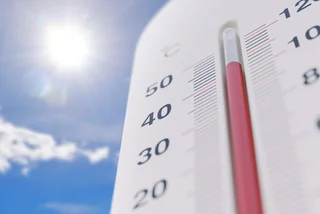
The lack of overnight cooling has made the heat feel more intense.
During the current heatwave, some locations experienced tropical nights, when temperatures stayed above 20°C, leaving people and buildings with little chance to cool down.
Meteorologists also warn that the change in weather may bring strong thunderstorms, including risks of heavy rain, strong winds, and hail.
Is relief coming?
Temperatures are expected to ease gradually later this week.

Wednesday will remain hot, with temperatures expected to reach 32–37°C across much of Czechia and up to 39°C in Moravia and Silesia.
A stronger cooling trend is expected from Friday, when temperatures should fall closer to normal summer levels.
Until then, meteorologists recommend avoiding strenuous activity during the hottest parts of the day, drinking plenty of water, and limiting time in direct sunlight.