



 Reading time: 2 minutes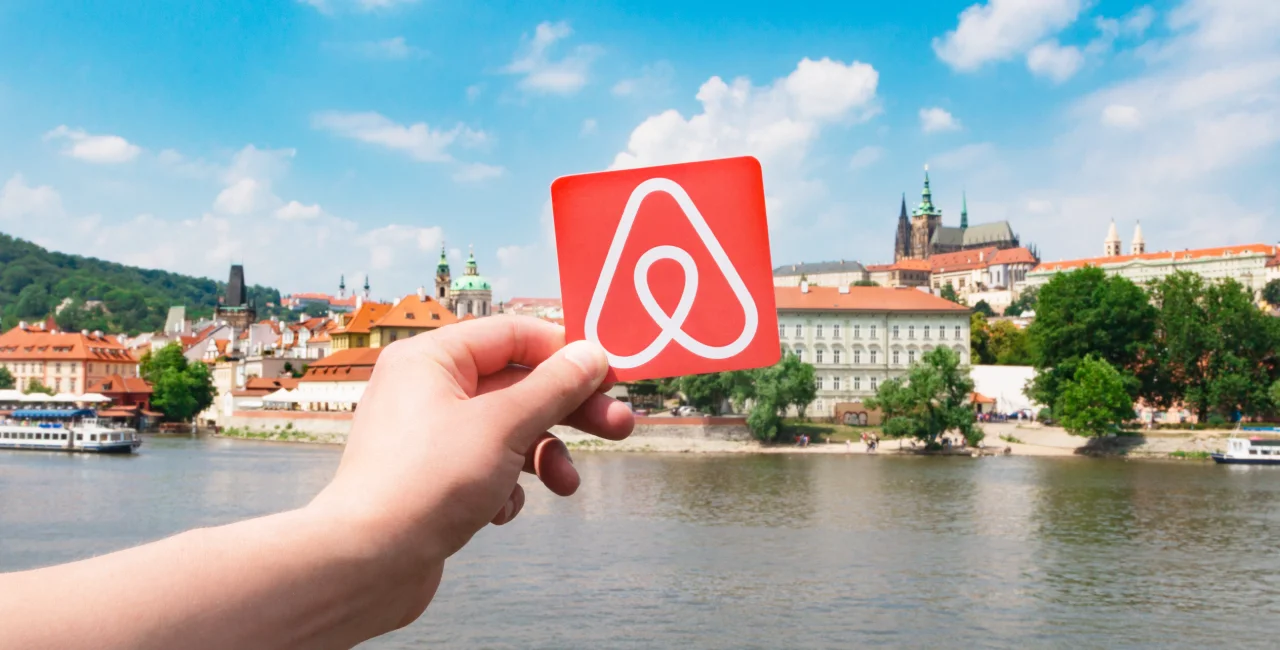

 Summary for: Prague 1 pushes for new Airbnb rules as residents demand more control
Prague's central district is asking the Czech government to give municipalities stronger powers to regulate short-term rentals such as Airbnb, as the historic city district continues to deal with complaints from residents about noise, unregistered accommodation, and lost local fees.
The district wants upcoming changes to the country’s tourism legislation to allow cities to identify rental property owners, verify whether apartments are approved for accommodation use and check whether operators are paying required visitor fees.
The Ministry for Regional Development said the final form of any regulation has not yet been decided, but discussions over new rules are ongoing.
City seeks tools to manage short-term rentals
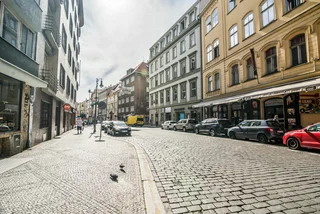
Prague 1, home to many of the capital’s most visited areas including Old Town and Malá Strana, has long pushed for tighter oversight of holiday apartments. Local officials argue that short-term rentals in residential buildings can disrupt everyday life for permanent residents.
The district also says the city loses revenue when apartment owners fail to register and pay the required accommodation fees.
The request follows a Prague 1 council decision in June and a local referendum held in October 2025, when 72 percent of participating voters supported restricting short-term rentals in apartments intended for residential use.
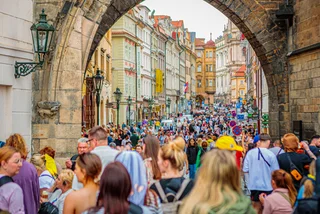
“General regulation alone is not enough. The state must give municipalities specific tools: access to data, the ability to check building regulations, identifiable owners and operators, and a connection to actually paid fees,” Prague 1 councilor Giancarlo Lamberti says through a press release.

The district also wants platforms such as Airbnb and Booking.com to be required to remove listings from operators who do not meet legal requirements.
Prague looks abroad for possible solutions
Officials have pointed to Croatia as a possible model for regulating short-term rentals. Under Croatia’s system, accommodation providers must obtain a registration number before their properties can appear on major booking platforms.
Jana Adamcová, vice chairwoman of the board at city tourism organization Prague City Tourism, previously said Prague could benefit from a similar approach.
“Croatia assigns a specific ID number to each accommodation operator, and part of receiving that number is meeting legal requirements,” Adamcová notes.
Prague 1 is seeking stronger powers to regulate short-term rentals such as Airbnb, with officials citing concerns over noise, unregistered accommodation, and lost local fees. Do you support stricter rules for short-term rentals in Prague?
Prague 1 is also calling for changes to the country’s accommodation fee system. Currently, municipalities can charge up to CZK 50 per person per night. The district wants cities to have more flexibility, with fees potentially ranging from zero to CZK 200 depending on local conditions.

Prague City Hall has supported a similar approach, arguing that the capital’s current visitor fee remains low compared with other European cities. Prague collected CZK 933 million in accommodation fees in 2025, an increase of CZK 48 million from the previous year.
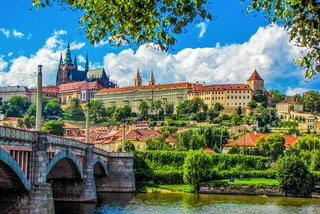
The proposed changes come as cities across Europe tighten rules on short-term rentals amid concerns about housing availability and the impact of tourism on local communities. For Prague, officials say the goal is not to eliminate holiday rentals but to ensure they operate under clearer rules.