



 Reading time: 3 minutes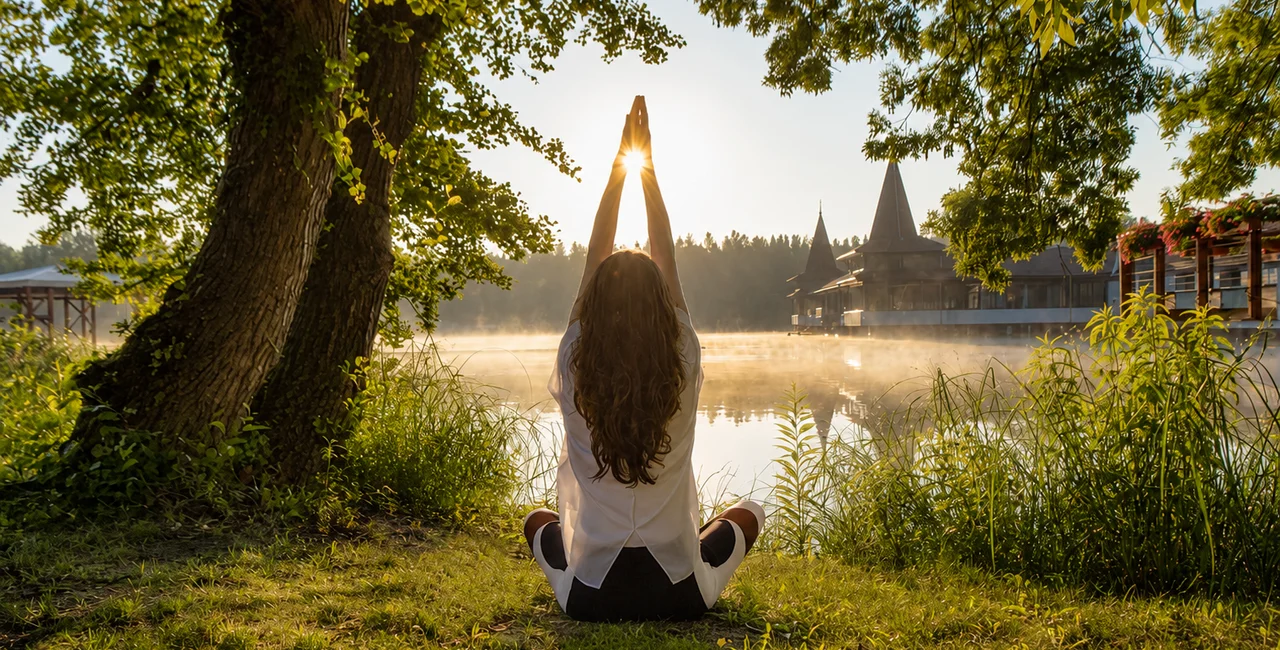

 Summary for: In Hungary, medical spas turn old-world wellness into modern women’s health support
For generations, women have been told to push through symptoms that accompany major life transitions. Hot flashes, chronic pain, disrupted sleep, pelvic floor issues, and unexplained fatigue have often been treated as something to endure rather than address.
As awareness grows around these healthcare gaps and the tendency for some symptoms to be overlooked or dismissed, many women are exploring complementary forms of support alongside traditional medical treatment. Across Central Europe, medical spas are using evidence-based natural therapies to help manage common health concerns.
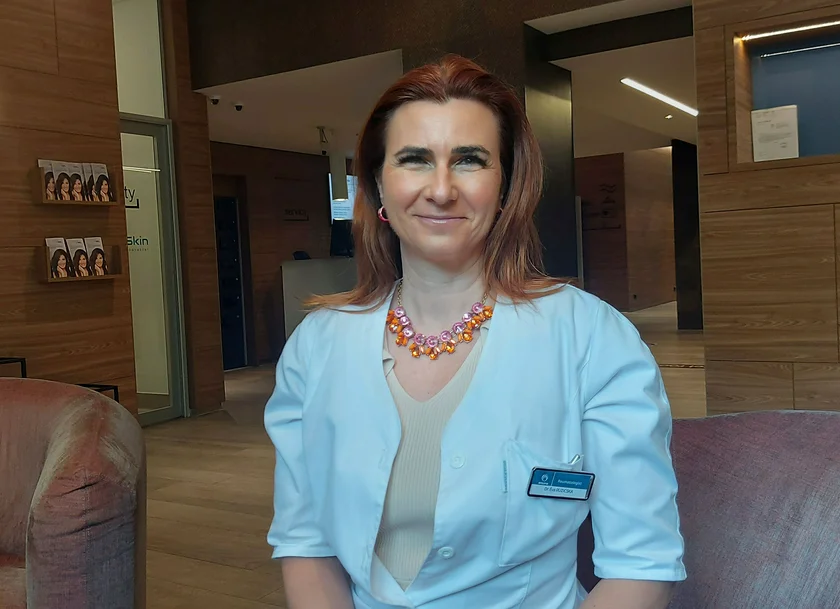
To better understand how physician-led wellness programs can benefit women’s health, we spoke with Dr. Éva Ruzicska, Head Physician for Ensana Hungary.
How natural therapies support women's health
Medical spa stays are often most effective when focused on prevention, rehabilitation, and lifestyle modification, according to Ruzicska. “Natural therapeutic resources may contribute to women’s health support through a combination of thermal, mineral, mechanical, and relaxation effects,” she explains.
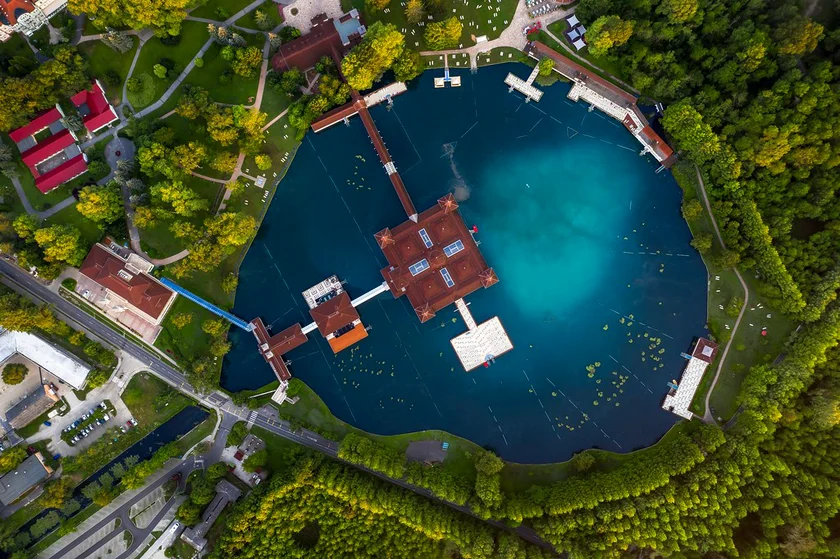
One place where these tailored therapies have long been embraced is Lake Hévíz, nestled along the slopes of Mount Keszthely in western Hungary. Located roughly 200 km from Budapest, Hévíz is Europe's largest biologically active thermal lake. Its mineral-rich waters and therapeutic mud are the star ingredients of the health and rehabilitation programs at Ensana’s nearby spa properties.
While thermal waters are best known for their role in treating musculoskeletal conditions, physicians say their benefits may extend beyond aching joints and sore muscles.
According to Ruzicska, a wellness stay can support a range of women’s health concerns, including menopause-related symptoms such as fatigue and weight gain, chronic stress, sleep disturbances, and pelvic floor weakness.
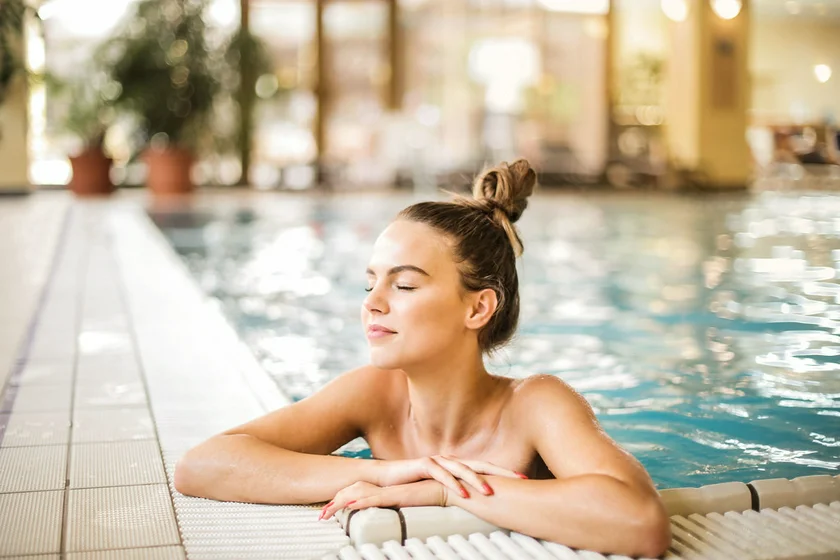
Medical professionals attribute these health benefits to the properties of Hévíz’s thermal water. Warm mineral-rich water is often used to relax muscles, improve circulation, and reduce pain and stiffness, while buoyancy can make movement easier during rehabilitation exercises by reducing pressure on joints.
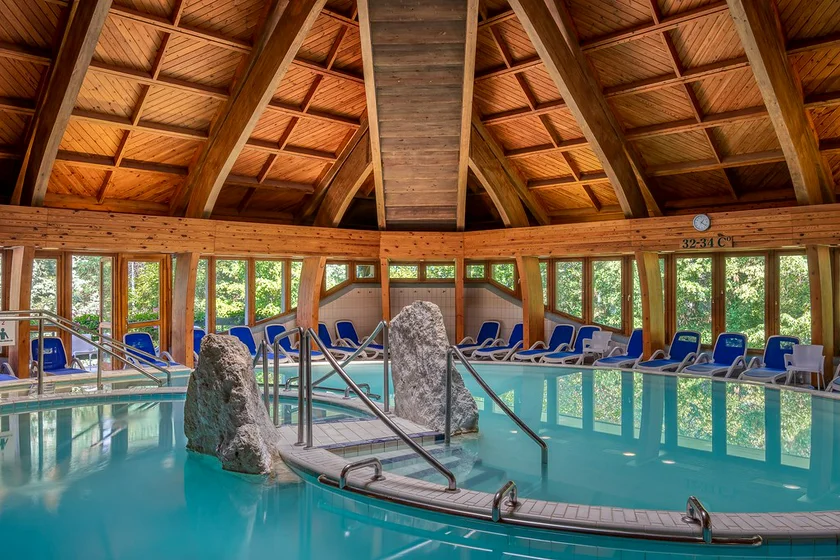
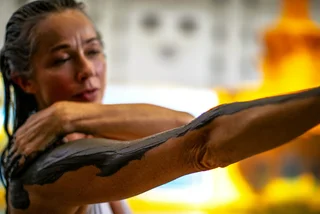
The lake’s therapeutic mud is also incorporated into many treatment programs, particularly those focused on recovery and mobility. Together, these natural resources are valued for their unique mineral composition.
Thermal waters vary by source, and their mineral composition is part of what gives each spa destination its character. In Hévíz, the lake’s water contains naturally occurring minerals, including sulphur compounds, calcium and magnesium, which have traditionally been associated with support for joint comfort, muscle relaxation and overall wellbeing.
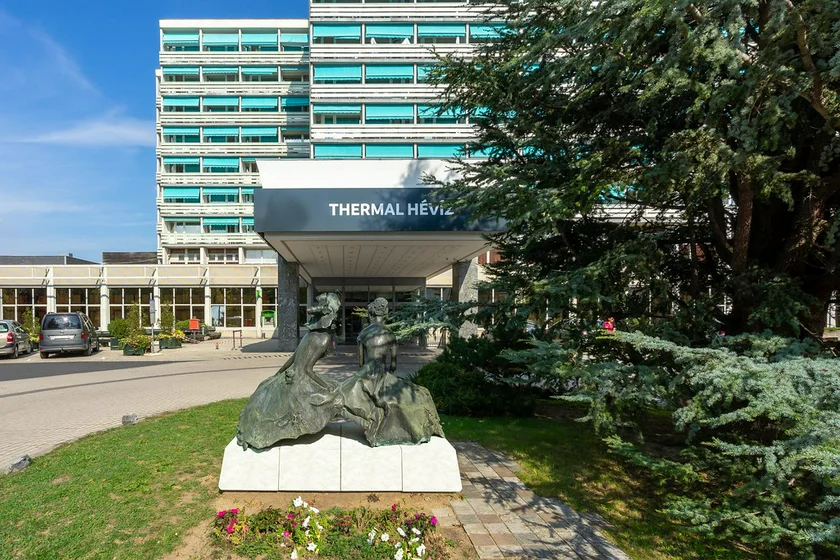
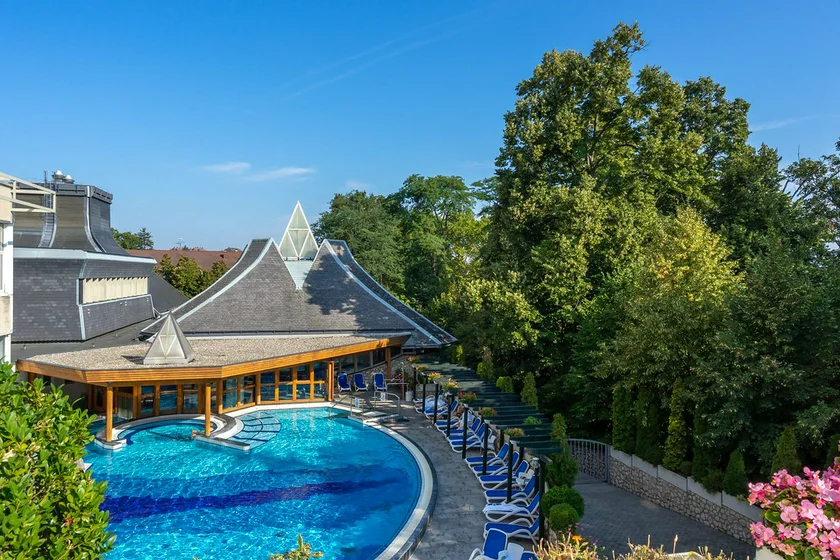
At Ensana’s Thermal Aqua and Thermal Hévíz, natural resources are combined with hydrotherapy, physiotherapy, therapeutic exercise, medical massage, mud applications, pelvic floor physiotherapy, and stress-management programs.
“The greatest benefits are usually achieved when natural therapeutic resources are combined with medical assessment, physiotherapy, physical activity, nutrition counseling, and lifestyle interventions,” says Ruzicska.
Building healthy habits after returning home
The benefits of a wellness stay often depend on what happens after guests return home. Rather than serving as a short-term reset, these programs are designed to help people establish habits that can be sustained over time.
“To support long-term success, it is essential to provide each guest with a personalized plan tailored to their individual circumstances, daily routines, and home setting.”
Ruzicska recommends regular physical activity, balanced nutrition, quality sleep, stress management, and continued pelvic floor exercises, where appropriate, can all help maintain the progress achieved during a spa program.
“The wellness stay should be viewed as the beginning of a longer health journey,” she adds.
For women dealing with symptoms that are often minimized or misunderstood, a wellness stay can offer more than rest. When guided by physicians and supported by natural therapeutic resources, movement, nutrition, and stress management, Central Europe’s spa traditions provide a structured way to reconnect with health and carry better habits home.