



 Reading time: 3 minutes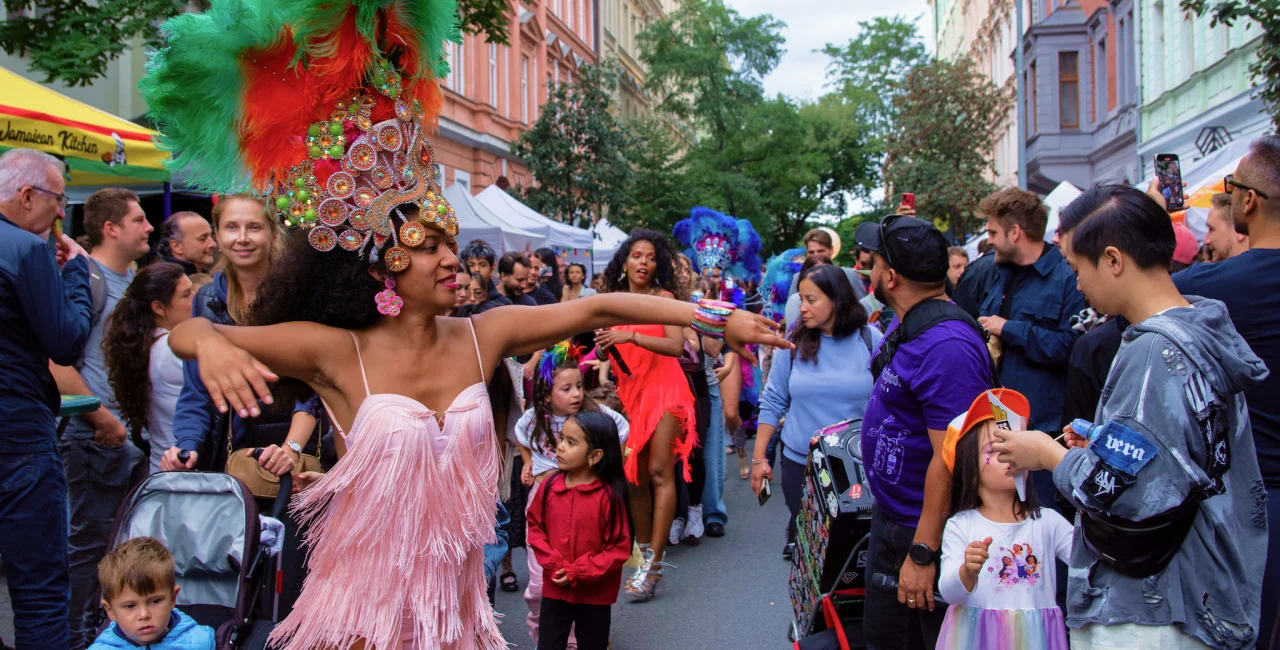

 Summary for: 12 ways to get involved in your community in Prague and Czechia now
Living in Prague as an international resident can sometimes feel like watching the city happen around you rather than being part of it.
Research on integration consistently shows that civic engagement accelerates belonging in ways that language classes and social dinners rarely do.

Working alongside your neighbors, whether that's cleaning up a local park or helping organize a festival, is one of the fastest ways to stop feeling like a guest and start feeling like you live here.
From volunteering to voting, here are 12 ways to get involved in your community:

1. Join MigAct's civic community MigAct runs workshops, trainings, mentoring programmes, and civic incubators designed specifically for people navigating life between cultures. It's one of the best places in Prague to find like-minded people who are actively shaping the city.
2. Take an integration course at ICP Integration Center Prague exists to help international residents feel genuinely at home, not just legally present. It offers volunteering opportunities, educational seminars, and integration courses that go well beyond language basics.
3. Browse Prague for All's NGO directory Not sure where to start? The city's Prague for All website maintains a directory of organisations working with people who've moved to Prague from elsewhere. It's a good map of the ecosystem.
4. Find a volunteer role on Dobrovolnik.cz Dobrovolnik.cz is a searchable database of volunteer opportunities across Prague and beyond. Filter by cause, time commitment, or location.
5. Offer your professional skills through Hero Clan Hero Clan matches non-profits with skilled volunteers, designers, lawyers, marketers, coders, and communicators. If you have professional expertise and a few hours to spare, this is a high-impact way to use them.
6. Check Prague's city volunteering page The city itself maintains a volunteering hub with a range of opportunities across municipal organisations and city-supported initiatives. Worth bookmarking.
7. Look up what's happening in your district Your neighbourhood is the most immediate place to get involved. Several Prague districts publish community guides: Prague 3, Prague 6, and Prague 7 all have particularly thorough resources. Check your own district's website too.
8. Get a garden plot MAPKO maps community gardens across the whole of Czechia. Tending a shared plot is one of the most tangible ways to embed yourself in a neighborhood.
9. Help organize Zažít město jinak Every September, Zažít město jinak transforms Prague streets into temporary public spaces through a network of neighbourhood festivals. Participating (or better yet), helping to organise one on your street is community-building in its most literal form.
10. Attend a local public meeting Most Prague districts hold regular public meetings and participatory budgeting sessions open to all residents, regardless of nationality. You don't need to be a citizen to show up and have your say on local priorities.
11. Speak up about what bothers you That pothole that has been there since winter. The park that needs better lighting. The development going up on your street with no community consultation. Legal residents regardless of nationality can also submit petitions and report local issues directly via Změňte.to.
12. Follow Volby pro Všechny Volby pro Všechny (Elections for All) tracks how international residents can participate in Czech elections and civic life. Follow them on Facebook, Instagram, or LinkedIn to stay informed ahead of the next vote.
13. Vote if you're eligible EU citizens living in Czechia can vote in local and European Parliament elections. And if you cannot vote, then tell all the EU citizens in your neighborhood that they can and should vote, also on your behalf!
The Volby pro Všechny (Elections for All) initiative was founded to help people with a migration background engage with the Czech political system and make their voice heard. To learn how to register to vote in the municipal elections or to simply learn more about the Czech electoral system, follow them on Facebook, Instagram, and LinkedIn for more.

See past columns in this series on the Czech government and politics.