


 Reading time: 5 minutes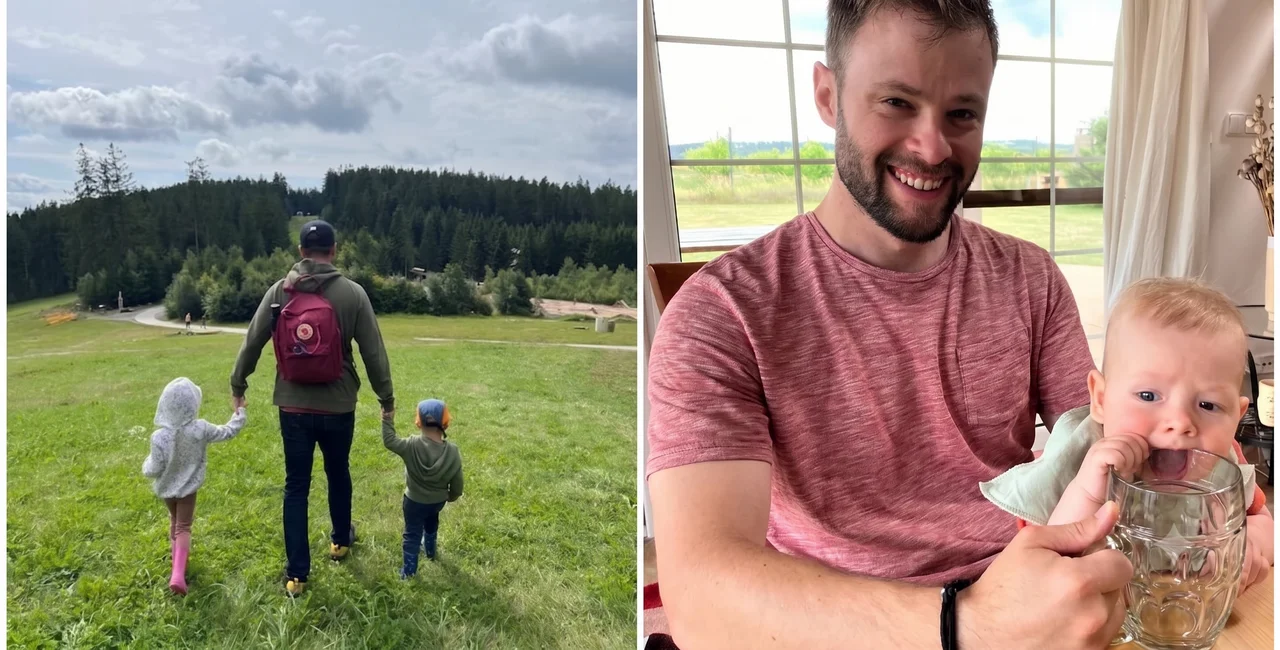

 Summary for: His grandfather died in exile. He returned to Czechia to raise his children
Whenever Jan Stránský lands at Václav Havel Airport he's overcome by the same sensation he once felt landing at JFK. "It's like a calming sense of relief," he says. "An easy way to tell where you feel at home."
That fluid perception of home is instantly familiar to anyone who has left another country behind, but for this particular "expat" the move from New York to Prague carried some extra emotional cargo.
Jan, a die-hard Yankees fan, wealth manager, and father of two, has one of the most storied surnames in Czech democratic history.
His father, grandfather, and great-grandfather each spent years in exile, working as journalists and broadcasters for publications that brought independent news to Czechs at home and abroad through two world wars and four decades of communist rule.
Jan's children will be the first generation of his family to be born in a free and independent Czechia.
But the decision to settle down in the country wasn't an easy one. Not just because of the weight of carrying on the family name. In fact, the question he is asked most often, right after "Are you from that famous family?", is: "Why did you come back?" In a country where he'll never feel fully Czech or fully American, Jan sometimes wonders the same thing.
A name that arrives before you do
The Stránský family's place in Czech history stretches back through the First Republic.
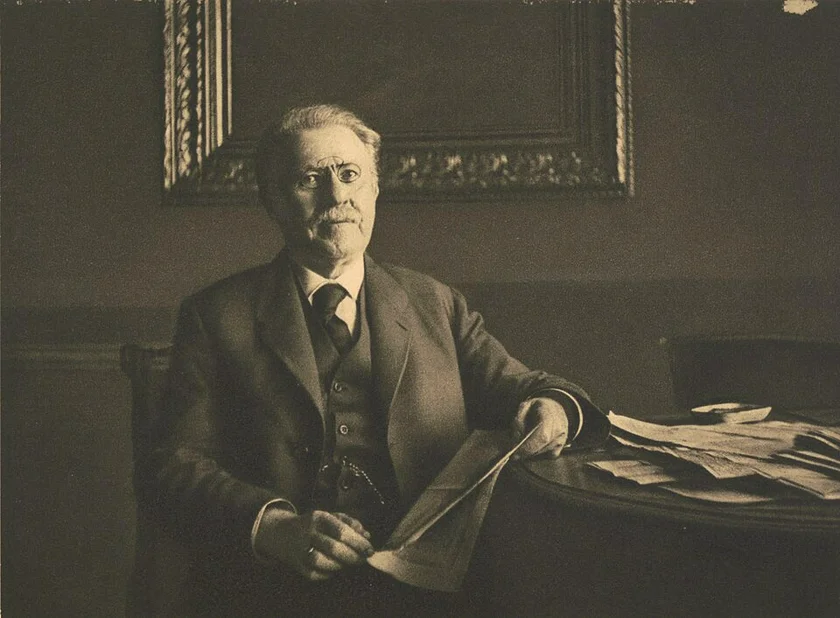
Adolf Stránský founded Lidové noviny in 1893 and became Czechoslovakia's first Minister of Commerce under T. G. Masaryk.

His son Jaroslav took over the paper and later served as Minister of Justice, then Education, in the wartime government-in-exile. Jaroslav's son, Jan, co-founded Radio Free Europe's Czechoslovak broadcast.
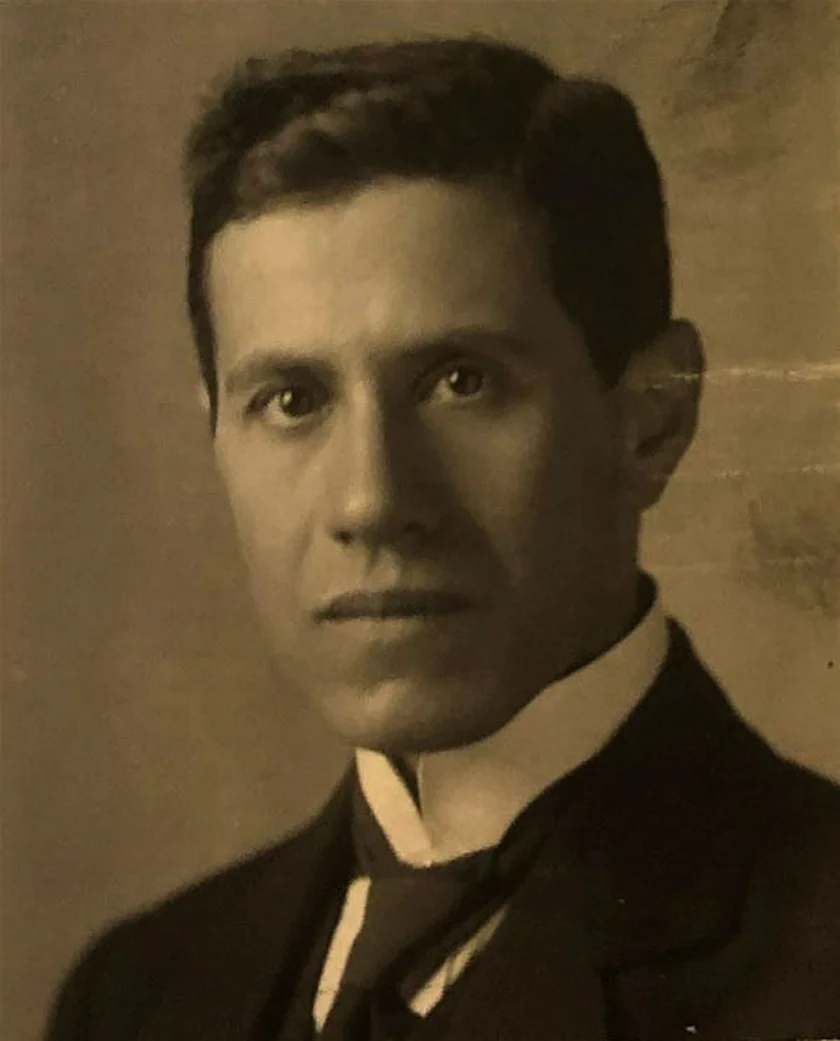
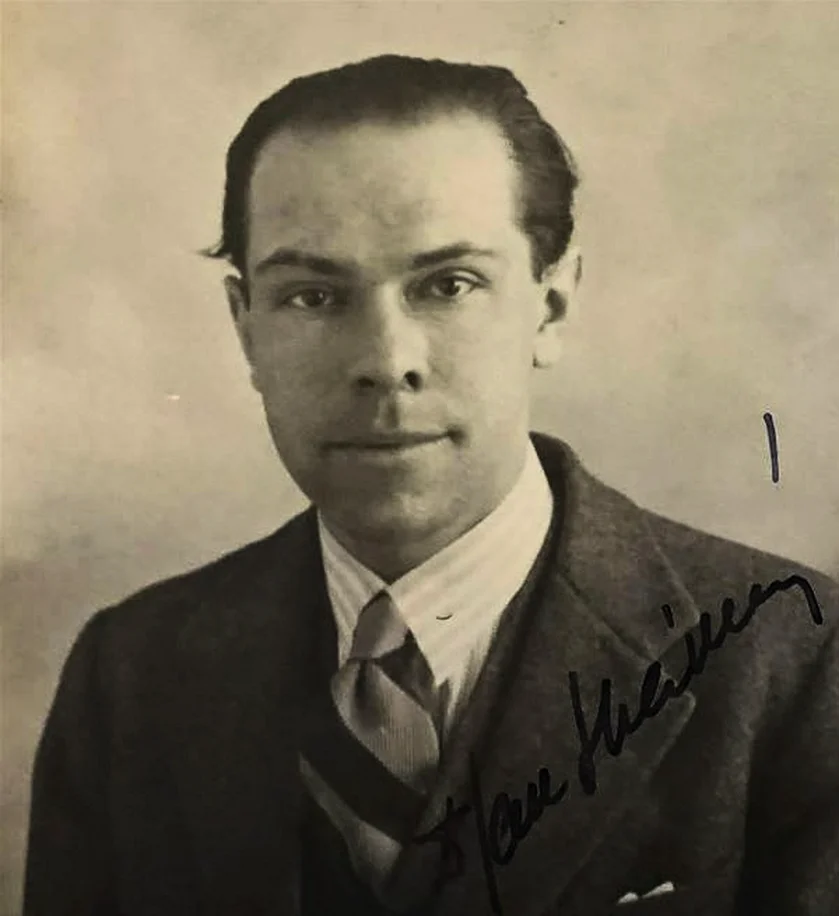
His son, Dr. Martin Jan Stránský, a physician, publisher, and politician, was born in the U.S., and returned after 1989 to revive Lidové noviny and the family's political journal, Přítomnost. Martin Jan, Jan's father, ensured the Stránský children maintained their heritage growing up in Connecticut.
"Despite having been born in the U.S. to an American mother, I have spoken only Czech with my father for my entire life," Jan says, adding, "He instilled in my siblings and me the knowledge about everything that our family has accomplished."
Like many of his ancestors, Jan grew up between two cultures.
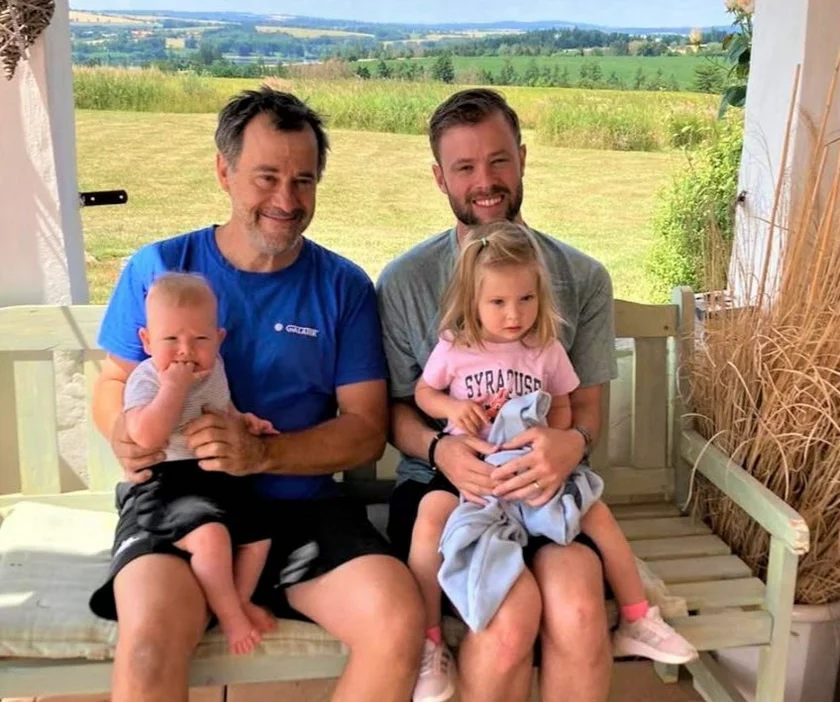
His Czech "Babi" lived twenty minutes away in Connecticut, and the Stránský children spent nearly every weekend at her table. Czech Christmas was celebrated on the 24th, with Ježíšek. American Christmas came the next morning, with Santa.

Jan shares one anecdote that captures a common truth about how straddling cultural divides can be disorienting.
During one of those visits, their Czech grandmother, Jan's Babi, took him and his siblings for a walk in a nearby park and, spotting edible hřiby (mushrooms), picked them to take home to slice into scrambled eggs and dry for soups, as is Czech tradition.
"The following day, we heard a knock at the door," Jan recalls. "My Babi’s neighbors had brought us trays of freshly cooked food because they saw her picking mushrooms with her young grandchildren, and thought that we were too poor to afford food."
Neither full American, nor fully Czech
After college, Jan assumed his life would remain in the States, but then says gradually, something shifted. "The more time I spent in the U.S., the harder I found it to maintain equal footing with both of those identities."
He moved back to the Czech capital permanently in 2017. He met his wife, who is from Arizona, in Prague. His two children, now three and five, were born there.

The pull of Prague isn't just about family ties. Like most American expats in Europe, Jan finds the 20 days of paid leave, affordable healthcare, and work-life balance better than what the United States has to offer.
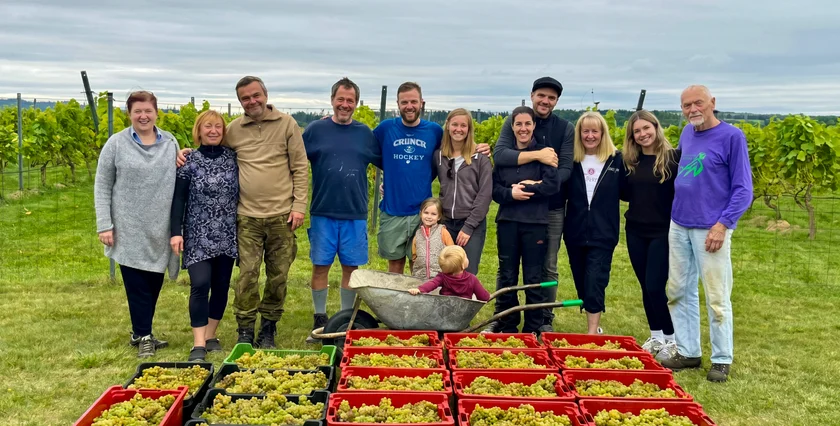
There are still things he finds baffling. The Czech custom of bringing your own birthday cake to the office to mark your own birthday strikes him as genuinely odd. He tends to feel his foreignness most acutely when friends and colleagues quote iconic Czech movies which he's never heard of. Jan says that despite having spoken Czech as long as he has English, his Czech is not at the level of a native.
"To my Czech friends or colleagues, I am often regarded as an 'Amík,'" he says, using the Czech slang term for American.
His instinct toward optimism and openness can also feel out of place in a country where complaining (stěžovat) "is part of the national identity." He hopes the glass-half-full outlook is one the American traits he'll pass on to his kids.
Still, he doesn't regret the decision to make a life in his ancestral homeland. "I didn't feel that I was American living in the U.S., nor do I feel that I am fully Czech living in Prague. But being in Prague, it's much easier to be both," he says.

The generation that came home
Jan's grandfather was able to return to Czechoslovakia briefly in the 1990s before he died, but spent the greater part of his life in exile in Connecticut.
When he thinks about his grandfather and about all the Stránskýs who fought for a country they were then forced to leave, he feels pride, but also "sadness that he didn't live long enough to see it with his own eyes."
The family lineage was honored in Prague in 2025 with the unveiling of a memorial plaque in the lobby of Národní 9, the former Topič House, the family's publishing house until its forced closure in 1949.
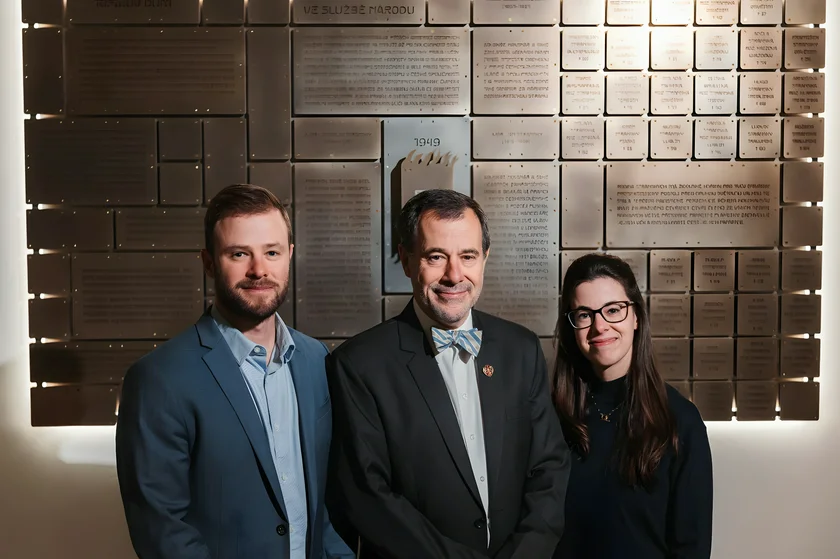
The plaque traces the building's history, the Stránský family's role in it, and commemorates family members who died in concentration camps because of their Jewish origins.
What would Jan tell his grandfather today? Simply "Thank you." Perhaps that thanks is also the best response to the question of why Jan Stránský chose Czechia as the place to raise his own family.

"Staying in the US would have been easy," he adds. But without the move, his children would have understood Czech but replied in English. Their children would have had even less. And within a generation or two, the connection would have dwindled.
He says his great-grandfather's and grandfather's roles in the fight for a free and democratic Czechoslovakia and Czech Republic made his current life possible.
"I would like to think that they would be beaming with pride and joy knowing that my siblings and I live here, and that Stránskýs from our branch are being born in Czechia again."