



 Reading time: 2 minutes

 Summary for: Will flights from Prague cost more this summer? Rising fuel prices raise concerns
Travellers flying from Prague this summer are unlikely to face widespread disruptions for now, but rising jet fuel prices linked to tensions in the Middle East are already feeding into higher ticket costs across Europe.
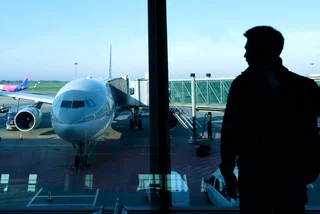
At Prague’s Václav Havel Airport, officials say operations remain stable. The airport’s fuel storage tanks are currently more than 90 percent full, providing a strong buffer heading into the peak travel season.
At the same time, Prague is preparing for one of its busiest summers on record, with nearly 19 million passengers expected to pass through the airport this year.
Strong local supply offsets some concerns
Czech aviation fuel supply is also relatively secure compared with many European countries. Around 80 percent of jet fuel used at Czech airports is produced domestically, mainly in refineries in Litvínov and Kralupy nad Vltavou, with the rest imported, mostly from Germany.
Despite that stability, airlines and travel companies say they are already feeling pressure from rising global prices. Some carriers have started increasing ticket prices and fuel surcharges, while travel agencies warn that package holidays could also become more expensive.
A spokesperson for Smartwings told Czech Television that airlines are prepared for potential supply disruptions, noting that fuel could be transported from Prague or other airports if shortages occur elsewhere in Europe.
EU warnings and disruption risks
The broader concern comes from the European level, where officials have warned that supply bottlenecks and rising fuel costs could complicate air travel during the summer peak season.

In some parts of Europe, airlines have already reduced capacity or cancelled flights due to higher operating costs. Germany’s Lufthansa group has reportedly cut thousands of flights, mostly on short-haul routes across major European hubs.
Industry data also suggests that compensation claims linked to delays and cancellations are rising, reflecting a more strained aviation environment across the continent. However, Czech aviation officials stress that Prague departures are not currently affected and that no systemic disruptions are expected.
What it means for Czech travelers
For passengers flying from Prague, the immediate risk is less about cancellations and more about price increases.
Airlines are reportedly raising fares by up to 20 percent in some cases, particularly on popular European routes. Travel agencies also warn that last-minute bookings are likely to be significantly more expensive than early purchases.


Package holidays already booked should largely remain unaffected, although contracts may allow price adjustments if input costs rise sharply—typically above a defined threshold.
At the same time, demand patterns are shifting. Travel agencies say more Czech holidaymakers are choosing destinations such as Spain, Italy, Croatia, Portugal, and the Canary and Balearic Islands, as long-haul travel becomes relatively more expensive.
One travel industry representative told Czech Television that increased demand for southern European destinations is already leading to fuller hotels and tighter availability, adding further upward pressure on prices.
Outlook for the summer season
Despite the cost pressures, the outlook for Prague Airport remains stable, with airlines currently maintaining full summer schedules. Officials say that while fuel price volatility is being closely monitored, there are no signs yet of widespread disruption to departures from Prague.
For travellers, the key impact this summer is likely to be financial rather than operational: higher fares, stronger demand for European destinations, and less flexibility for last-minute trips.