



 Reading time: 3 minutes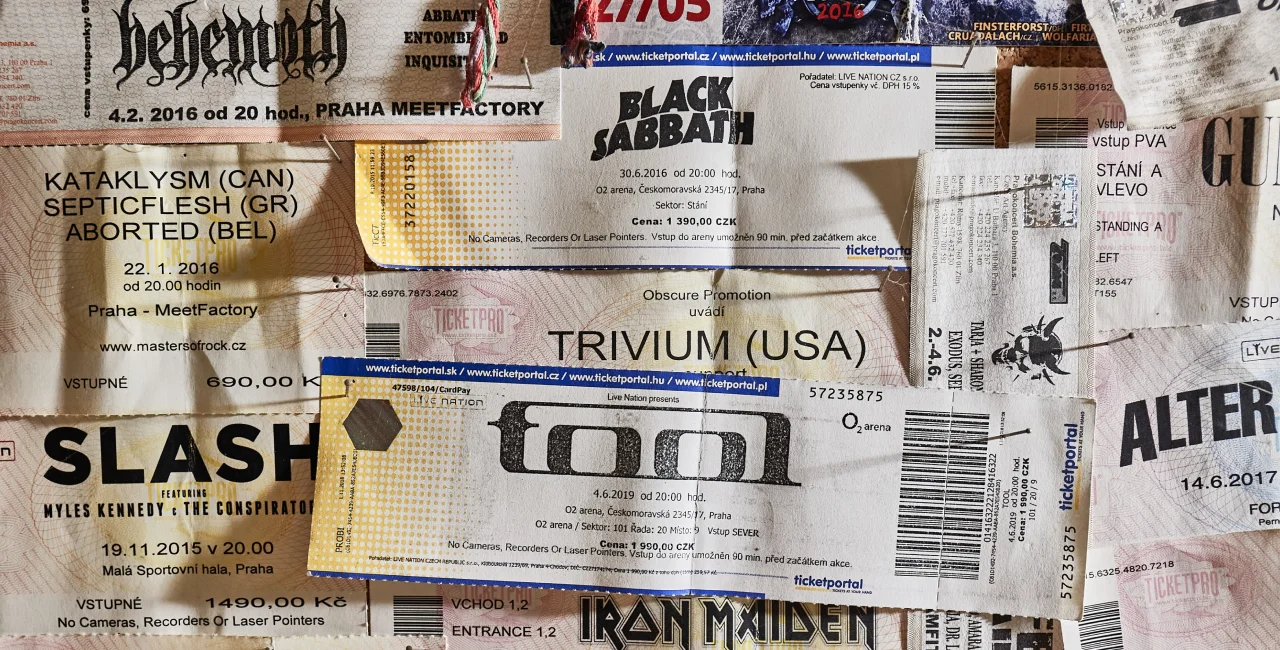

 Summary for: Why concert ticket prices are getting more expensive in Czechia
Cultural enthusiasts across the Czech Republic are facing a sharp rise in the cost of attending live events, with critics pointing toward a recent consolidation of the country’s largest ticketing platforms as a primary driver.
Over the last seven years, prices for theater, concert, and festival tickets in the Czech Republic have surged by approximately one-third.

While organizers initially cited a higher VAT rate, rising energy costs, and general inflation as the culprits, attention has now shifted to the mediation fees charged by ticketing services following the merger of GoOut, Ticketportal, and Ticketstream under the Estonian group PLG.
Concert ticket prices in Prague: then vs. now
Major international acts, O2 arena
Before 2020
Standard arena tickets: ~800–1,800 CZK
Major international acts rarely exceeded ~2,000 CZK for general seating
2024–2026
Standard tickets for major tours: ~1,500–3,500 CZK
Premium / better seating: often 3,500 CZK+
VIP / dynamic pricing packages: significantly higher
What has changed
Higher baseline prices across most major tours
Wider gap between standard and premium seating
Increased use of dynamic and tiered pricing
Faster sell-outs for major international acts
Source: publicly listed prices, GoOut/Ticketportal, 2019 vs 2025–26
Smaller market players claim the merger has stifled competition and directly impacted the final price paid by consumers. Oldřich Brzobohatý, CEO of the smaller ticketing company Smsticket, noted that the fees charged to both organizers and fans have climbed significantly.
"It is now common for organizers to pay an 8 percent commission. For visitors, the fee for purchasing a ticket has increased dramatically to 3.5 percent from about 15 crowns," Brzobohatý told Radiožurnál.
He warned that the combined pressure of higher fees and lower government subsidies threatens the survival of smaller club and local events.



However, some industry veterans view the consolidation differently. Viktor Palák of the promotion company Fource argued that the merger provides better services and visibility.
"I think the merger does nothing fundamental to ticket prices," Palák said, suggesting that smaller companies may simply feel threatened by a more efficient competitor.
ticket pricing at a glance
- Ticket prices up ~33 percent over seven years
- Organizer commission: now commonly 8 percent per ticket
- Buyer fee: now 3.5 percent of ticket price (up from ~15 CZK flat)
- Hidden service fees from promoters: up to 20 percent added at checkout
- Ministry of Culture contributions to cultural events: down
The leadership at PLG Czech Republic maintains that the price adjustments were a necessary correction for the local market. CEO Lukáš Jandač stated that the new 3.5 percent flat fee leveled a playing field that was previously unsustainable.
"I think it’s healing the market, because the competition that was here, we were giving out super low commissions. That system wasn’t sustainable in the long term," Jandač explained.
Despite concerns from festival organizers like Tomáš Poprik of ObrFest, who believes the merger harms the competitive environment, the Office for the Protection of Economic Competition (ÚOHS) has declined to intervene.

How to save
Buy early (but not blindly)
Pre-sales and first-release tickets are usually the cheapest. Prices often rise in later waves, especially for high-demand shows at venues like O2 arena.
Avoid resale platforms when possible
Resale sites and secondary markets can push prices significantly above face value, especially once events are close to selling out.
Compare official sellers
In Czechia, tickets may be sold through multiple authorized platforms. Prices can vary slightly depending on fees and allocation.
Look at different seating tiers
The biggest price jumps are usually between floor, lower tier, and premium seating. Upper tiers often offer the best balance of price and visibility.
Watch for dynamic pricing
For some major international tours, prices can increase based on demand. If tickets are available early, waiting can sometimes mean paying more.
Consider less obvious dates or venues
Second nights, weekday shows, or smaller nearby venues (when part of a tour) are often cheaper and less competitive.