



 Reading time: 3 minutes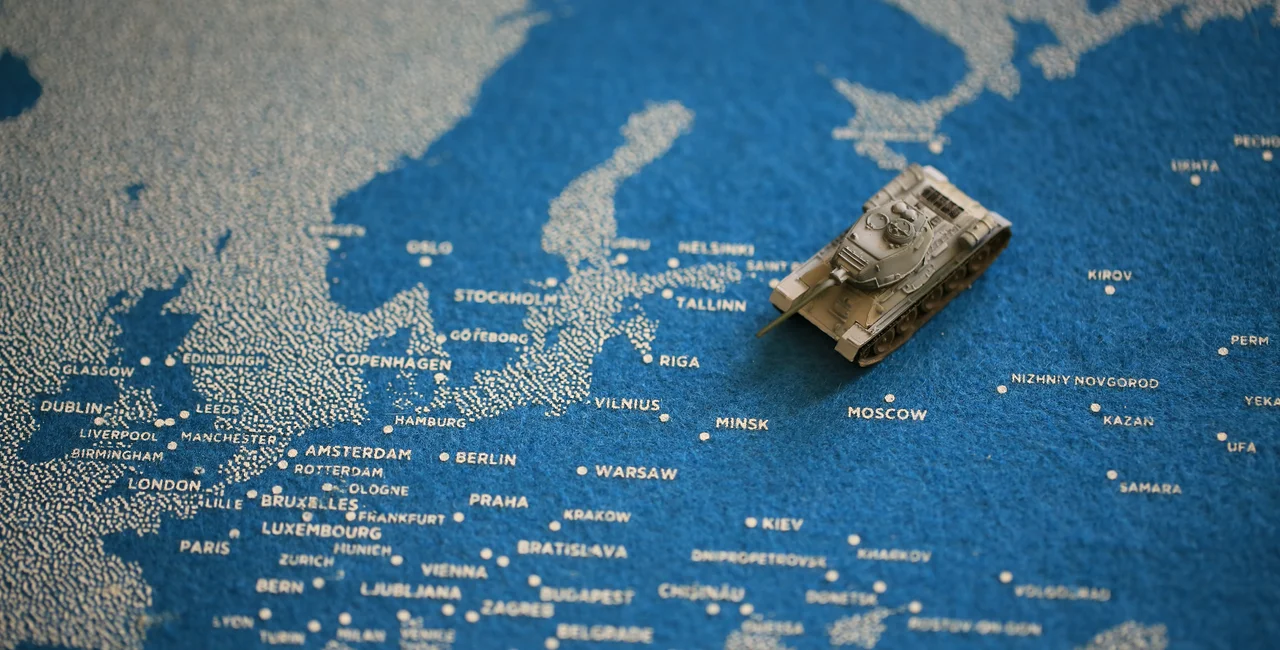

 Summary for: What do Czechs fear the most? Russia, drought among top threats in new survey
Czechs continue to view Islamic fundamentalism, terrorism, and international organized crime as the biggest threats to the country, according to a new nationwide survey by the STEM agency. However, since the last comparable survey in 2021, concern has grown significantly over the effects of drought and the foreign policy of Russia.
At the same time, fears surrounding migration have noticeably decreased. In 2021, three-quarters of Czechs said they were highly worried about the arrival of migrants; that number has since dropped to 58 percent. The latest poll was conducted from June 12 to 26 and surveyed 1,059 adult respondents across the country.
Drought and Russia now seen as rising dangers
While traditional threats such as terrorism and Islamic extremism continue to dominate public concern, new anxieties have emerged, reflecting both the evolving geopolitical landscape and environmental challenges.
The survey shows that drought is now perceived as one of the most serious threats to Czech society. STEM researchers noted that drought—a visible manifestation of climate change—is seen by many respondents as a greater concern than climate change in general. This suggests that people respond more strongly to immediate, tangible effects than to broader or more abstract environmental trends.
Fears about Russia’s political direction have also increased, which researchers attribute to the ongoing war in Ukraine. The 2021 survey was conducted before Russia launched its full-scale invasion of Ukraine in February 2022.
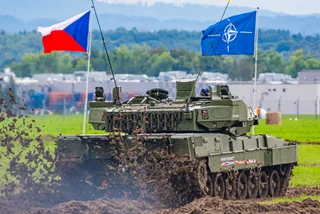
Since then, Czech public perception of Russian foreign policy has shifted markedly, with a growing number of respondents viewing it as a major threat to national security and regional stability.
By contrast, concerns over China’s policies and foreign intelligence operations remain relatively low on the scale. Although these were included in the survey, fewer respondents viewed them as immediate or severe dangers compared to other issues.

Respondents used a nine-point scale to rate the severity of various perceived threats. For the most serious threats—including terrorism, organized crime, and Islamic fundamentalism—at least half of all respondents rated them a “9” on the scale. An additional 20 percent assigned them an “8,” reinforcing the persistence of these issues in the Czech public’s long-term risk awareness.
Generational, educational, and political divides shape fears
The STEM survey also highlights how fears vary across demographic groups. Older Czechs, particularly those over the age of 60, were far more likely to rate threats such as terrorism and migration as “very dangerous.” Seven in ten respondents in this age group considered Islamic fundamentalism, terrorism, and organized crime to be among the most serious risks facing the country.
Education level played a similarly important role. People with lower levels of formal education were more likely to express fears about migration and organized crime, while those with higher education levels were more likely to prioritize issues such as disinformation, foreign influence operations, and cyberattacks.
STEM analysts noted that these patterns reflect both different lived experiences and contrasting media consumption habits.
In addition to rating present-day threats, respondents were also asked to name which dangers they believe Czechia will have to confront most urgently in the future. Roughly 20 percent cited illegal migration as the top challenge, with this view again more common among those with lower education. A similar number named disinformation and manipulation, particularly those with university degrees.

Environmental and technological threats were also noted. Many respondents identified the increased frequency of natural disasters—like floods and tornadoes—and cyberattacks targeting citizens or critical infrastructure as rising dangers that require more attention in the coming years.
The findings suggest that while older threats remain embedded in the public consciousness, concerns about the environment, war, and information warfare are becoming more prominent in the minds of Czech citizens.