



 Reading time: 2 minutes

 Summary for: Ticked off: Czech doctors report record number of Lyme disease cases
Doctors in Czechia have recorded the highest number of Lyme disease cases since 1986 this year, with nearly 8,000 infections reported by the end of September. This figure is roughly double last year’s total and marks a significant rise in tick-borne illnesses nationwide.
The surge matters for anyone spending time outdoors in Czechia, as ticks remain active until temperatures fall below five degrees Celsius. Untreated Lyme disease can cause lasting neurological, joint, and skin problems, while tick-borne encephalitis—recorded in nearly 600 people this year—can result in severe complications, particularly among seniors and children.
Seasonal risks and local trends
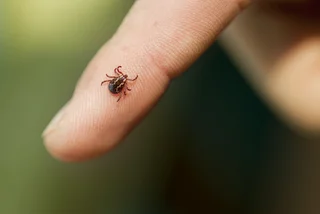
Ticks are a common hazard in forests and grassy areas, with mushroom pickers and hikers among those most frequently affected. According to the State Health Institute (SZÚ), the number of Lyme disease cases has increased sharply compared with historical averages, which usually ranged between 3,000 and 5,000 annually after 2000.
“With continued outdoor activity this autumn, we expect the total for 2025 could rise by up to a third,” SZÚ representatives said, indicating that officials expect year-end Lyme disease totals north of 10,000.
Lyme disease typically begins with a large, circular red rash at the site of a tick bite. If untreated, infections can progress to affect the nervous system, joints, and skin. Tick-borne encephalitis, meanwhile, does not currently have a specific treatment, although vaccines are available.

“Serious complications such as limb paralysis are more frequent in older adults, but children and younger people may also experience long-term effects, including headaches, memory issues, and concentration problems,” said Dita Smíšková of the Bulovka University Hospital’s Infectious Diseases Clinic.
Vaccination against tick-borne encephalitis is partially covered by public health insurance for those over 50, with younger adults able to claim partial reimbursement. Coverage varies by age, with roughly 46 percent of people aged 35–54 and 39 percent of those over 65 vaccinated.

By comparison, Germany and Austria report vaccination rates of 67 and 81 percent, respectively. Health authorities continue to promote vaccination and preventive measures for those frequently outdoors.
National and regional context
Czechia’s rise in tick-borne illnesses mirrors trends across Central Europe, where outdoor leisure activities and mild autumn temperatures have contributed to increased exposure. Experts note that improved diagnostics have also played a role in higher reported numbers, though this year’s jump is historically significant.
For anyone living in or visiting Czechia, the rise in infections emphasizes the need for caution during outdoor activities. Protective clothing, insect repellents, and regular tick checks are recommended.
Healthcare access is generally straightforward, but treatment delays can increase the risk of complications, affecting work schedules, travel plans, and overall wellbeing.
Authorities advise prompt removal of ticks, awareness of early symptoms, and consultation with healthcare providers if infection is suspected. With the peak tick season still ongoing, public health officials continue to monitor cases and encourage vaccination where eligible.