



 Reading time: 2 minutes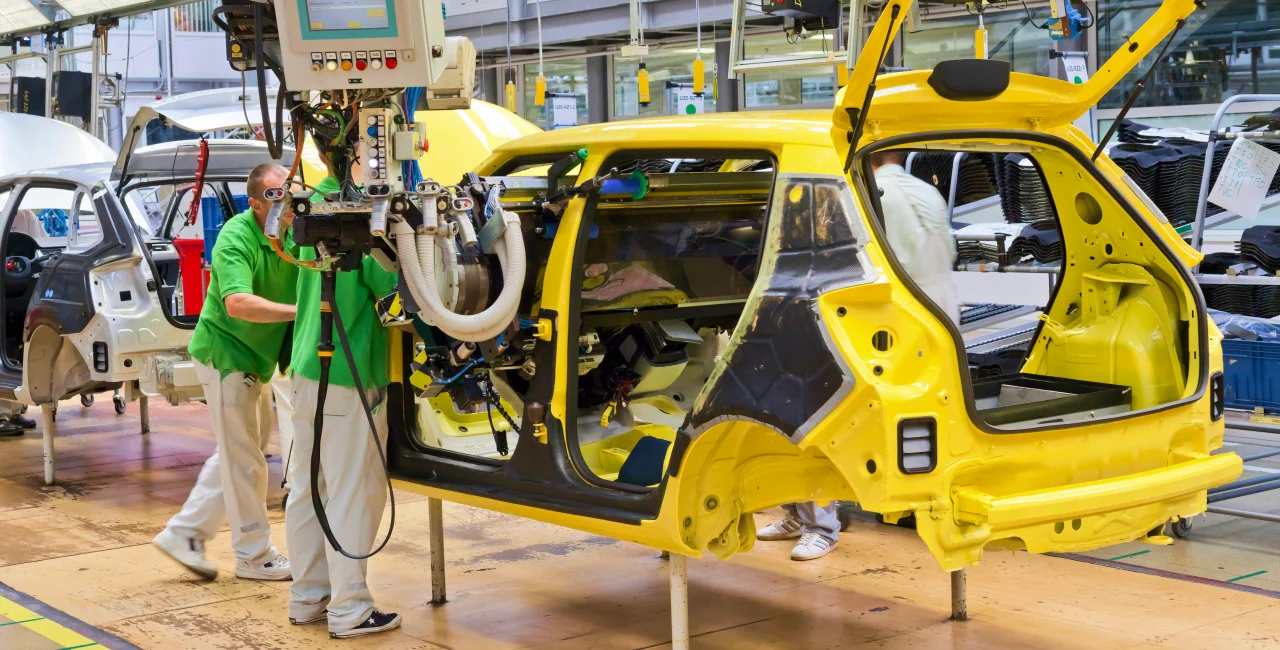

 Summary for: Czechia among top 10 EU economies, but experts warn on future growth
Czechia has climbed back into the EU’s top ten most advanced economies, ranking eighth this year despite recent inflation shocks and global uncertainty.
The new Prosperity Index, compiled by Česká spořitelna and the Europe in Data portal, places the country behind Sweden, Germany and Denmark. Among post-communist EU states, only Slovenia performs at a comparable level.

For households and businesses in Czechia, the ranking reflects a relatively strong foundation. The country stands out for its complex industrial structure, high level of automation and comparatively low public debt, even after years of heavy investment.
Czechia’s economy at-a-glance
- 8th most advanced economy in the EU, behind Sweden, Germany and Denmark
- Among the strongest post-communist performers, alongside Slovenia
- High investment and low public debt by EU standards
- Weak spot: low added value compared to innovation leaders
- Economists urge shift from machinery to research, software and intellectual property
Steady recovery
After slipping to 14th place following the post-Ukraine invasion inflation wave, Czechia has steadily recovered, returning to ninth last year and improving again this year.
Analysts caution that many economic indicators are reflected in real life with a delay of up to two years.
While public debate often compares Czechia’s performance to Poland’s rapid infrastructure expansion, the index suggests Prague is not being overtaken.

“From headlines about Polish highways, it may seem that Poland is surpassing us,” Europe in Data analyst Adam Trunečka said. “However, a comparison in the index shows that this is not happening at the moment.”
Too focused on inudstry?
Economists say the bigger question is not the ranking itself, but where investment is heading. Czechia consistently ranks below 20th in added value indicators, meaning it generates less high-margin output than innovation-driven economies.
Although the share of investment in GDP is among the highest in the EU, much of it goes into machinery and equipment rather than research, software or intellectual property.
“We are basically buying faster conveyor belts, while today’s winners are investing in what will be produced on those belts in ten years,” said Česká spořitelna analyst David Navrátil.
Foreign investment in decline
Foreign direct investment has also declined relative to GDP since 2022, though Czechia remains around the EU average.

Business leaders say shifting toward more sophisticated production, companies that develop and sell their own products globally, will be key to maintaining wage growth and long-term competitiveness in Czechia.