 Reading time: 2 minutes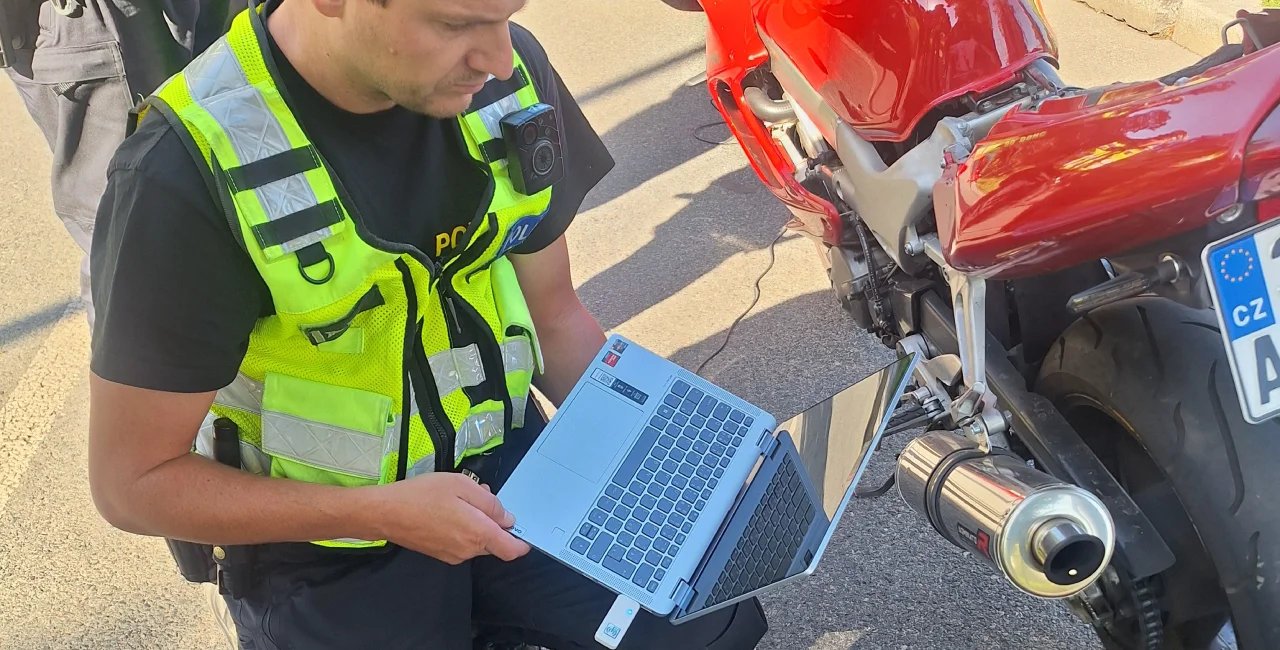

 Summary for: Prague targets loud vehicles as new noise meter flags faults in 17 checks
Prague’s new mobile vehicle-noise meter helped police identify faults in 17 of 19 targeted roadside inspections during its first month of use, according to the city.
Checks focused on cars and motorcycles suspected of excessive noise or unauthorized exhaust modifications, including vehicles at tuning gatherings. Some were prohibited from continuing their journeys and had to be towed away.

The results cover inspections from early September to early October. Because officers selected vehicles already suspected of problems, the figures do not indicate how common such faults are among Prague motorists generally.
Exhaust modifications trigger roadside action
Prague acquired the CANOS system in early September to measure noise from stationary vehicles. More than 40 police officers had received training by early October, alongside staff from City Hall’s transport department.

Traffic police and municipal road-transport inspectors then carried out checks in the wider city center, targeting vehicles suspected of deliberately disturbing residents.
Measurements generally showed noise levels substantially above permitted limits, the city said in its report on the first month of testing.
For vehicles assessed as having serious defects, their roadworthiness was limited to 30 days. Officers also found unauthorized alterations to exhaust systems and, in some cases, missing components.

Where defects made a vehicle unfit to drive, police confiscated its registration certificate and prohibited further driving. Owners subsequently had the vehicles towed.
The city’s report does not provide individual noise readings or a breakdown showing how many inspections resulted in each type of enforcement action.
Checks extend to large tuning gatherings
Police also used the meter at two gatherings the city described as illegal.
One brought approximately 100 vehicles to Štěrboholy in September. A larger event in early October involved roughly 1,000 vehicles across Štěrboholy, Čakovice, Zličín, Strahov and central Prague, according to the municipality.
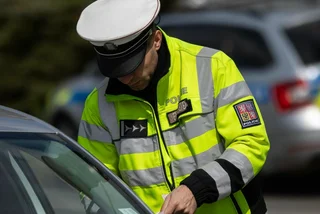
At both events, officers selected cars and motorcycles suspected of unauthorized exhaust modifications for testing.

Vehicles with category B defects—classified as serious—had their roadworthiness limited. Category C defects, classified as dangerous, resulted in vehicles being declared unfit to drive and towed from the inspection site.
The city said enforcement at the gatherings also included on-the-spot fines and six penalty points on drivers’ records. It did not specify how many drivers received those penalties.
Prague plans to continue the checks in cooperation with Czech police. For residents affected by loud engines and exhausts, the equipment gives patrols a way to measure suspected violations during roadside inspections. The first-month figures establish that faults were detected, but do not yet show whether traffic noise across the city has declined.