




 Reading time: 2 minutes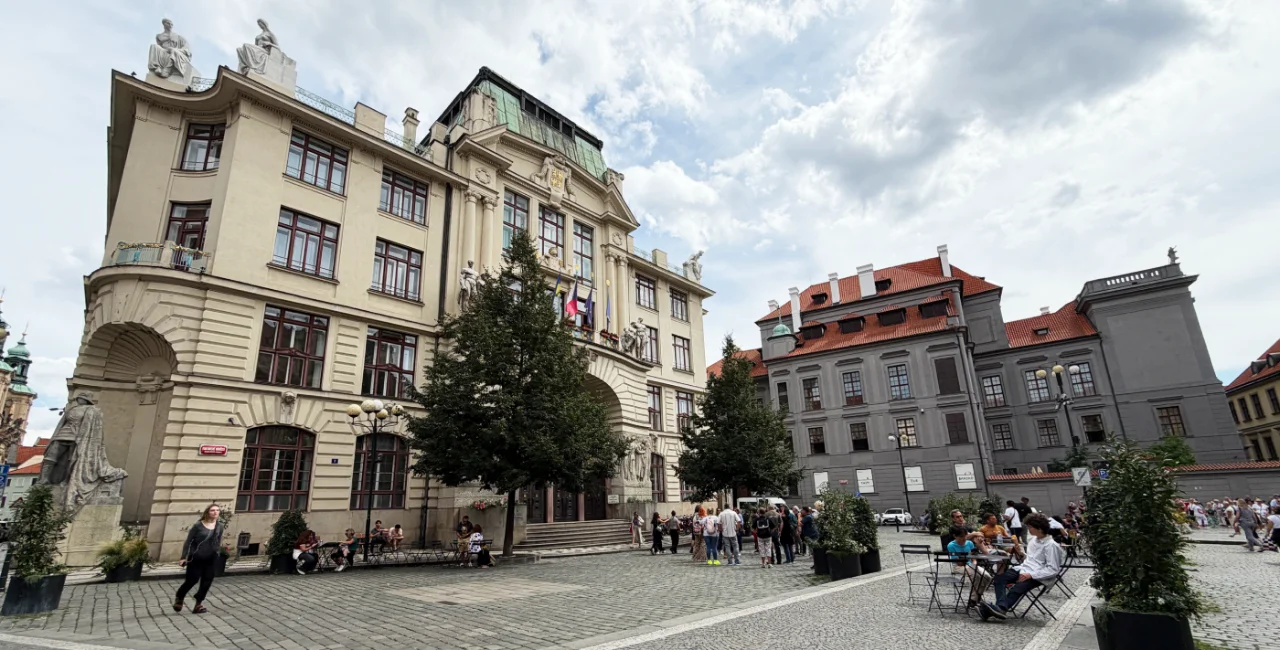

 Summary for: Prague is saving well, but transparency still lags, says state watchdog
Prague is managing its finances more safely and transparently than during the previous electoral term, but the capital still ranks last among Czech regional capitals for publishing contract prices, according to an analysis by watchdog organization Hlídač státu.
The city has also accumulated an unusually large financial reserve. Prague held CZK 169.7 billion in its accounts at the end of 2025—more than its total expenditure for the entire year.
Opposition politicians argue the surplus reflects the city’s inability to complete planned investments, while City Hall says the money is needed for major infrastructure projects including Metro D and the completion of Prague’s inner ring road.
Contract transparency improves but remains weakest
Hlídač státu evaluates cities through its K-Index, which tracks indicators of potentially risky or nontransparent public spending based on contracts published in the national register.
Prague’s average score improved from 5.98 points between 2019 and 2022 to 4.15 between 2023 and 2025. The city retained an overall B grade but recorded the largest improvement among all Czech regional capitals.
Prague City Hall published 39,463 contracts during the latest three-year period. The price was not publicly stated in 7.7 percent of them, down substantially from 13.6 percent during the previous period.
Despite that progress, Prague continued to have the highest share of contracts without disclosed prices among regional capitals. Contracts containing serious formal deficiencies fell from 1.15 percent of the total to 0.25 percent.

Some of the 1,057 companies, subsidized organizations and other entities controlled by Prague received significantly weaker assessments. Municipal energy supplier Pražská plynárenská was given an F, while Prague Public Transit Company and regional transport organizer Ropid each received a C.
Reserves grow as investment share falls
Prague recorded a budget surplus of CZK 24.17 billion last year. Its bank balances have increased from CZK 96.3 billion in 2021 to CZK 169.7 billion at the end of 2025.
The CZK 73 billion increase was the largest among Czech regional capitals. Prague’s accumulated funds also exceeded its total 2025 expenditure of approximately CZK 124 billion.

Most other regional capitals hold reserves equivalent to roughly one-third to one-half of their annual spending, according to Hlídač státu.
Such a high level of savings is unusual for a large city, said Věra Kameníčková of CRIF – Czech Credit Bureau.

Between 2010 and 2025, Prague’s revenue grew by an average of 5 percent annually, while the amount held in its accounts increased by an average of 17 percent. Investment fell from 31 percent of revenue in 2010 to 18 percent in 2025.
Across other Czech municipalities, the average investment share moved in the opposite direction, rising from 31 to 34 percent over the same period.
ANO mayoral candidate Jan Hušbauer said Prague had met only 52 to 67 percent of its own investment plan in each of the past six years.
“The problem is not money, but the city’s ability to build,” he said.
City representatives have defended the reserves as preparation for expensive long-term projects. Hlídač státu’s findings nevertheless suggest that Prague’s financial strength comes with a growing question: whether the capital is saving more public money than it can effectively put to work.