



 Reading time: 4 minutes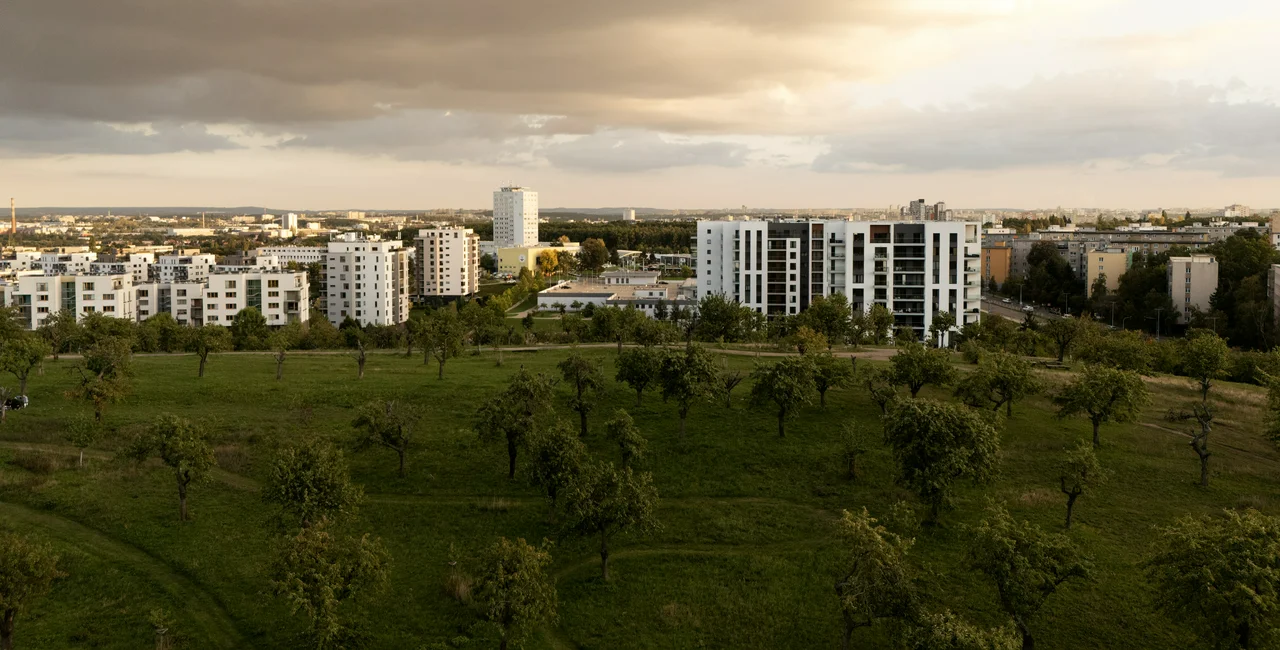

 Summary for: Prague housing trends: What 25 years of change reveal about today’s market
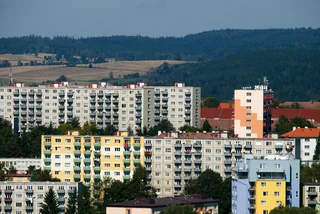
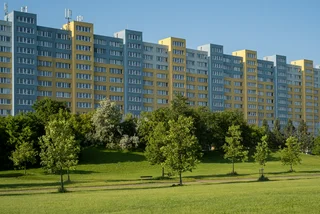
Twenty-five years ago, Prague’s residential landscape was still primarily defined by what it inherited following the fall of communism: crumbling panelák housing blocks, restitution headaches, and entire neighborhoods pockmarked with abandoned industrial sites. For expats arriving in the early 2000s, living in the so-called “Wild East” was just part of the adventure.
At this time, developers like Daramis established themselves as Prague’s housing market began to respond to demand for revitalized residential districts and modern urban living. Since 2000, the company has delivered over 4,300 units to more than 7,500 residents. Its growth illustrates how shifting demand has influenced the scale and character of residential development across Prague.
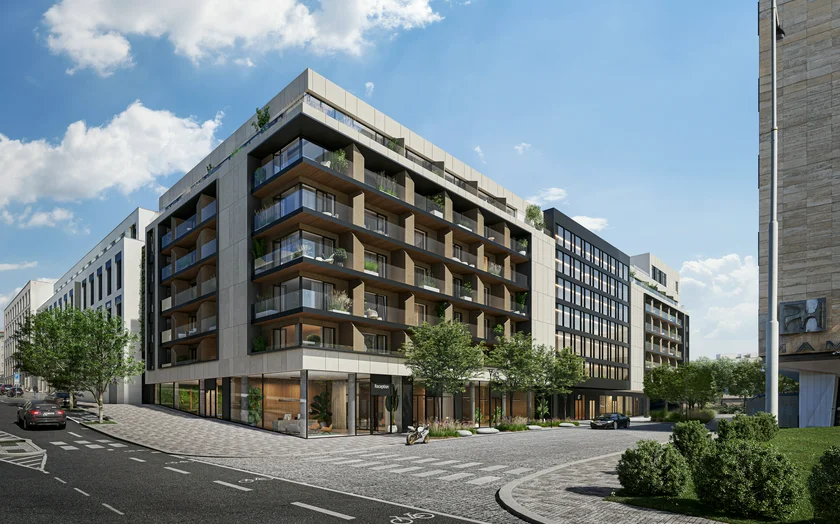
If you have been here long enough, you’ve seen Prague reinvent itself in real time. To mark its 25th anniversary, Daramis shared insights from more than two decades of development that help illustrate key moments in the city's housing evolution.
2000: Prague’s new development era begins
After property ownership stabilized and the chaos of the 1990s had finally settled, a slew of smaller-scale projects began breaking ground on the city’s underused land parcels shortly after the turn of the millennium.
Many residents were tired of layouts that hadn’t been updated since the panelák era. Developers listened. Balconies, once a sign of luxury, were now standard fixtures in new builds. Better insulation and energy efficiency had also become part of the conversation, and amenities were routinely being incorporated into these modern urban designs.
It was at this time that Daramis made its debut, shaping its first master-planned projects. The company’s early ad hoc developments helped pave the way for its larger flagship sites, reflecting an evolving approach to city living.
2010: The rise of lifestyle housing
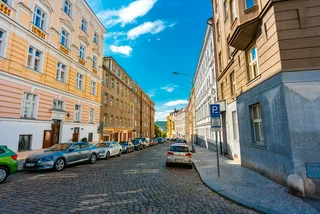
By the 2010s, Prague’s housing market had entered a new phase. If you lived here during this time period, you likely remember the moment neighborhoods like Holešovice and Libeň stopped being places you quickly “passed through” and started transforming into places you actually wanted to live.
It was a turning point. Rising demand from both local and foreign buyers coincided with a dedicated focus on urban revitalization. Design and lifestyle suddenly carried more weight than mere functionality when it came to the blueprints of new housing projects.
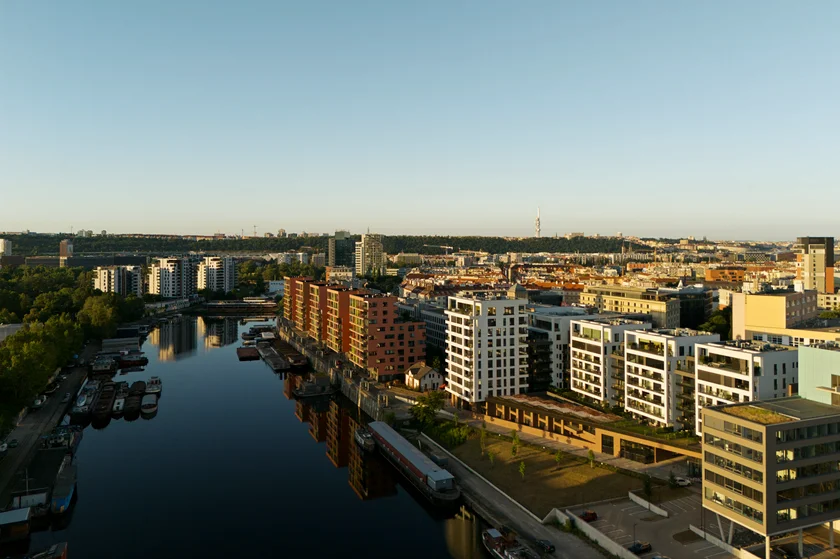
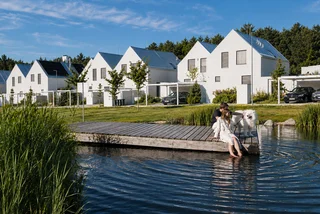
Many developers began thinking in terms of community. Waterfront regeneration brought new life to the Vltava promenades, more greenery was added to public spaces, and architectural styles grew bolder.
Large-scale projects, like Daramis’ Marina Island, Unicity Plzeň, and three phases in Zelené Město, contributed to reshaping the city’s housing stock, giving neighborhoods a sense of identity. The company felt these sites reflected its approach to high-quality architecture and considered urban planning, characteristics that would continue to shape its philosophy well into the future.
2020s: The community-living boom
While affordability pressures mounted in the post-Covid 19 years, Prague’s housing market continued to heat up. Renters and buyers no longer wanted just a flat, but a home that plugs into their lifestyle, allowing them to live, work, and relax all within the same block.
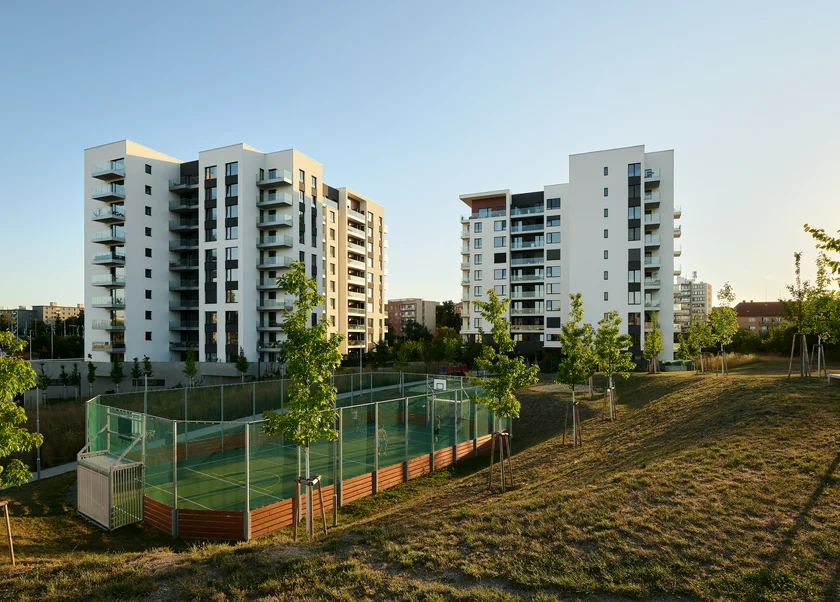
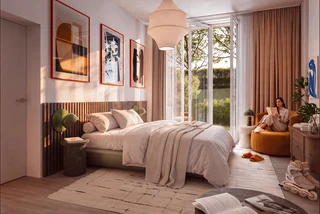
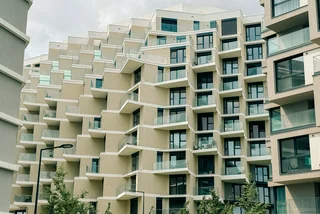
The rise of experience-driven housing led to the inclusion of landscaped courtyards, playgrounds, gyms, and communal spaces. Smaller layouts catered to professionals and younger residents, while sustainability, energy efficiency, and mixed-use living became increasingly essential design factors.
Daramis feels that their developments like Prague Marina Nova, Zelené Město Heights and Rezidence Vokovice II have kept pace with these evolving trends.
We follow the path of quality. That is our philosophy,” explains CEO Dušan Krajča. “We always aim to offer added value, something extra.”
2026 and beyond: smarter property ownership
The next phase of Prague housing is being driven by young professionals seeking compact yet amenity-rich flats, as well as established expats and local high-income buyers looking for quality and lifestyle-focused investments.
Daramis is tackling the demand for both with its upcoming projects.
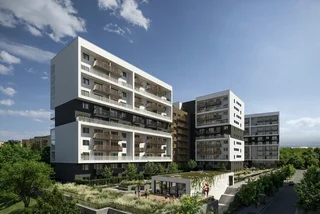
L1FE House in Střížkov, which broke ground in 2025, includes 347 compact units designed for active lifestyles. Connect Vršovice will feature 316 flats in nine six-story buildings, and ESENS Letná will add 168 flats to one of the city’s most sought-after districts. All projects feature a strong mix of contemporary amenities, including coworking spaces, gyms, shared laundry facilities, and communal entertainment areas, designed to cater to the needs of modern residents.
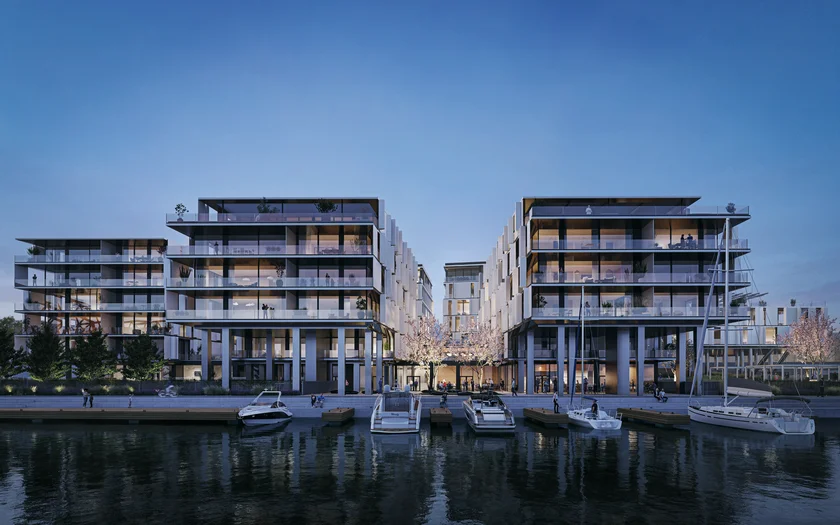
2026 marks the start of Daramis’ most ambitious project to date: Bay 55, a private residence on the iconic Smíchov waterfront. The company hired world-renowned interior designer Kristina Zanic to reshape and deliver an exquisite lifestyle offering, described by the company as “one of the most exclusive developments ever seen on the Czech market.”
Zanic’s creativity will extend to the building’s amenities, including a spa, lounge, private meeting rooms, and other common areas. Pre-sale is expected to commence in just over a year.
As residential construction accelerates across the Czech capital, Daramis expects to expand its portfolio to 7,000 units by 2030, helping to meet the soaring demand that shows no signs of slowing down.
While residential developers and investors are undoubtedly shaping this momentum, it will ultimately be the city itself, with its evolving tastes and pressures, that will determine what the next generation of Prague living looks like.